




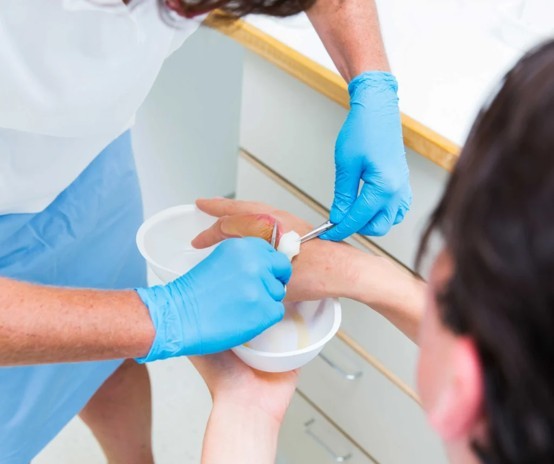
Burns are something that can happen to anyone at home or at work or when we are outside doing things. Burns can happen because of hot water or fire or steam or getting a shock from electricity or chemicals or even being out in the sun for too long. Some burns are not that bad. We can take care of them easily at home.Other burns are really bad and we need to go see a doctor right away. If we know what to do when we get a burn it can help with the pain. It can help prevent infection and it can help our skin heal the way it is supposed to. Burns are a deal and knowing about burns is important.
If you are looking for burn treatment, near me it is important to know the types of burns, the correct first aid steps and when it is needed to get help from a doctor. Learning about treatment of burns can help you act fast and prevent errors that could make the problem worse.
Quick Answer
Burn treatment is different for each burn. If you have a burn it will probably get better with some cool running water taking good care of the wound and using a clean dressing.. If you have a severe burn you need to get emergency medical treatment, for the burn right away. This is very important to prevent problems with the burn.
Why Proper Burn Treatment Matters
Skin acts as a barrier against bacteria and trauma to the body. However, if it is burnt, then this barrier is weakened and there will be chances of infection and delay in healing. Proper treatment of the burn can help to reduce pain and infection, heal quickly, and also reduce the chances of scarring.
Understanding Different Types of Burns
There are different degrees of burns based on their intensity. The degree of the injury will dictate the form of treatment required.
First-Degree Burns
These injuries only damage the skin's surface. The skin turns red, feels dry and painful but does not have large blisters.
The injuries may be caused by:
- Light sunburn
- Brief exposure to hot things
- Small exposure to hot fluids
These burns take a few days to heal.
Second-Degree Burns
When you get second-degree burns they hurt the layers of your skin.
You will know you have second-degree burns because of these symptoms:
- Blisters
- Swelling
- pain that is hard to bear
- The skin looks red. It looks wet
Second degree burns need to be checked by a doctor especially if second degree burns cover your body. You should see a doctor to get second degree burns looked at.
Third-Degree Burns
Third degree burns are really bad because they hurt all the layers of the skin and they can also hurt the tissues underneath.
The skin may look like this:
- White
- Black
- Brown
- Charred
It is funny. It can actually hurt less because the nerve endings can get damaged. These third degree burns always need to be treated at the hospital.
1. Cool the Burn Immediately
The first action after getting a burn should be cooling the burned area with cool running water for at least 20 minutes.This action is aimed at removing the heat stored in the injured tissues and minimizing additional damage to the skin.Do not use ice since it will decrease blood circulation and thus aggravate the condition.Running cool water will be the best way to act.
2. Keep the Burn Clean
After the burn has cooled down you should clean the area with soap and some clean water.The burn needs to be kept clean so that bacteria do not get into the damaged skin.You should not rub the burn because the skin is very sensitive after it gets hurt.You can gently pat the burn dry with a towel and then put a dressing on the burn if the burn needs one.
3. Protect the Burn with a Clean Dressing
Once the burn is all cleaned up you should cover it with a bandage that will not stick to the burn.
The bandage is really helpful because it does a lot of things for the burn.
- It helps protect the burn.
- It reduces irritation on the skin, around the burn.
- It lowers the chance of the burn getting infected.
- It keeps the burn area clean.
You should change the bandage often. Whenever it gets wet or dirty.
Do not wrap the bandage tightly around the burn because the burn area may swell up while it is healing.
4. Never Pop Burn Blisters
Blisters are like a shield for our skin when it gets hurt.Even though we might want to pop them this is not an idea because it can lead to infection and slow down the healing process.
If a blister breaks on its own we should clean the area carefully. Put a new clean bandage on it.Sometimes blisters can get really big or very painful. When this happens we should go see a doctor to have them checked out.
5. Stay Hydrated and Eat Healthy Foods
Healing burns is a process that takes energy and nutrients. To help the skin repair itself you should drink a lot of water.
When you eat food that has a lot of protein, vitamins and minerals it helps your damaged skin heal better.
Some good foods to eat are:
- meat
- Fish
- Eggs
- Fresh fruits
- Vegetables
- Whole grains
- Dairy products
Healing burns requires nutrition to happen faster.Healing burns is something that needs nutrition to work well.
6. Watch for Signs of Infection
Burns are a deal, even the small ones. If you do not take care of burns they can get infected. You need to watch out for some warning signs with burns.
These warning signs include:
- Increasing redness around the burn
- The burn's getting swollen
- The area around the burn feels warm
- You see pus or some weird stuff coming out of the burn
- The burn smells really bad
- You have a fever because of the burn
- The burn is hurting a lot more
If you notice any of these things happening with your burn you should go see a doctor away. Burns need to be treated so they do not get worse and cause more serious problems with burns.
7. Know When to Get Emergency Care
You should not try to treat some burns by yourself at home.If you have a burn you need to go to the doctor if the burn covers an area of your body.
- The burn affects the face.
- It also affects the hands or feet.
- The burn is on the genitals.
- It goes over joints.
- The burn was caused by chemicals.
- The burn was caused by electricity.
- The burn looks white, black or charred.
- You have trouble breathing because of the burn.
People like children, older adults and people with certain medical conditions should also go see a doctor right away for many burns.
How Long Does a Burn Take to Heal?
Burns can heal at speeds. It really depends on how bad the burn'sFirst-degree burns usually get better in one week.Second-degree burns take a lot longer to heal. These burns can take two to three weeks or more time to heal. The size and depth of the burn make a difference.Third-degree burns are the worst. People with these burns often need to have surgery. They may also need skin grafting. It can take months for these burns to heal.
If you take care of the burn and see a doctor regularly the burn will heal faster. You will also have scarring on your skin. Proper care of the burn and medical follow-up can really help with the healing of the burn. Reduce scarring of the burn.
Can Burns Leave Scars?
Yes. Burns that are really deep are more likely to leave scars that will not go away.The chance of getting scars from burns depends on things like burn depth and burn size and also infection and healing time and the type of skin the person has.Receiving treatment away and keeping the skin that is healing away from sunlight may help make the scars from burns less noticeable.Burn depth and burn size and infection and healing time and individual skin type are all things to think about when it comes to burns and scars from burns.So people who get burns should try to get treatment for their burns and take good care of their skin while it is healing from the burns.
Conclusion
Burning accidents may be quite unpredictable, but being aware of the necessary measures in first aid can make a huge difference in treatment. Promptly cooling the injury, keeping it clean, applying appropriate dressings, and monitoring any signs of possible infection are all factors that help in the process of burning injury recovery. Although most minor burns are treated at home, deeper and extensive burns need to be seen by a doctor.

What's your reaction?
You may also like
-

How to Make a Short Business Promo Video Without Losing the Message
-
How to Create Consistent AI Images for a Multi-Visual Content Project
-
How Two People Can Compare Cities Before Turning a Move into a Compromise
-
Why Choose House Cleaners Redding CA for Your Home
-
Planning Roof Replacement Cleanup When Driveway and Yard Access Are Limited or Restricted
-
Designing Outdoor Kitchens for Food Safety, Practical Storage, and Efficient Meal Preparation


Comments
0 comment