




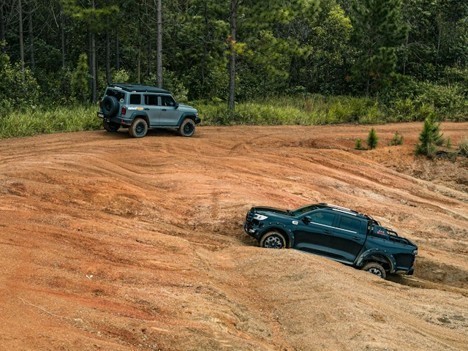
Photo by 4Wheelhouse on Unsplash
Introduction
Off-road riding offers a unique sense of adventure, freedom, and excitement that few outdoor activities can match. From navigating wooded trails and rocky paths to crossing muddy terrain and open fields, off-roading allows riders to explore places that traditional vehicles simply cannot reach. However, for beginners, the thrill of adventure can sometimes overshadow the importance of preparation and safety.
Many new riders assume that off-road riding is simply a matter of starting the engine and heading into the wilderness. In reality, successful off-road experiences require knowledge, planning, and the right techniques. Even small mistakes can lead to vehicle damage, getting stranded, or increasing the risk of accidents.
Understanding common beginner errors can make off-road exploration safer, more enjoyable, and far more rewarding. Here are seven mistakes every new rider should avoid when venturing off the beaten path.
Failing to Understand the Terrain Before Riding
One of the most common mistakes beginners make is heading into unfamiliar terrain without first assessing the conditions. Different environments present different challenges, including steep inclines, loose gravel, deep mud, sand, water crossings, and rocky obstacles.
Before setting out, research the trail and understand what types of terrain you may encounter. Reviewing trail maps, weather forecasts, and local riding conditions can help prevent unpleasant surprises.
Experienced riders know that preparation is essential. A trail that appears easy on paper may become significantly more difficult after rainfall or seasonal changes. Taking time to understand the route can greatly reduce potential risks.
Choosing a Vehicle Beyond Your Skill Level
Many beginners are tempted to purchase or ride powerful machines before developing the skills needed to control them effectively. While higher-performance vehicles may seem appealing, they can quickly become overwhelming for inexperienced riders.
Starting with an appropriately sized machine allows new riders to focus on developing control, braking, turning, and obstacle-navigation skills. For example, a 125cc atv can provide enough power for learning while remaining manageable for many entry-level riders.
Building confidence gradually creates a stronger foundation for tackling more challenging terrain and larger vehicles in the future.
Ignoring Essential Safety Gear
Some beginners underestimate the importance of protective equipment, especially when riding on relatively easy trails. Unfortunately, unexpected obstacles, loss of control, or changing terrain conditions can occur at any time.
A proper helmet should always be considered non-negotiable. Additional safety gear such as gloves, goggles, long sleeves, durable pants, and sturdy riding boots provides valuable protection against impacts, debris, and weather conditions.
Investing in quality safety equipment not only reduces injury risks but also increases rider confidence. When properly protected, riders can focus more on improving their skills and enjoying the experience.
Riding Too Fast for Trail Conditions
Speed is often one of the biggest contributors to off-road accidents. Many beginners become comfortable too quickly and attempt to ride faster than their skill level or the trail conditions allow.
Off-road terrain can change unexpectedly. A smooth section of trail can suddenly lead into loose dirt, hidden rocks, or sharp turns. Excessive speed reduces reaction time and makes it more difficult to maintain control.
New riders should prioritize smooth, controlled operation rather than speed. Developing consistent riding techniques and learning how the vehicle responds in different conditions will ultimately make riders faster and safer over time.
Neglecting Basic Vehicle Maintenance
Even the best off-road vehicles require regular maintenance to perform safely and reliably. Beginners sometimes assume their machine is ready to ride without checking critical components beforehand.
Before every outing, inspect tire pressure, brakes, oil levels, fuel levels, lights, and chain or belt systems where applicable. A simple pre-ride inspection can identify potential problems before they become serious issues on the trail.
Routine maintenance also extends the vehicle's lifespan and helps prevent costly repairs. Spending a few minutes checking equipment before a ride can save hours of frustration later.
Riding Alone Without a Backup Plan
Exploring remote terrain alone may sound appealing, but it can be risky, especially for beginners. Mechanical failures, navigation errors, or minor injuries can quickly become major problems when no assistance is available.
Whenever possible, ride with a group or at least one experienced companion. If solo riding is unavoidable, inform someone of your route, expected return time, and emergency contact information.
Carrying essential supplies such as water, a first-aid kit, a charged phone, and basic repair tools can also make a significant difference in unexpected situations. Preparation ensures help is more accessible when needed.
Overestimating Your Skills
Confidence is important in off-road riding, but overconfidence can lead to unnecessary risks. Many beginners attempt difficult obstacles, steep climbs, or technical trails before mastering fundamental skills.
Progressing too quickly often results in accidents, vehicle damage, or discouraging experiences. Instead, riders should focus on gradually building experience through practice and progressively challenging terrain.
Taking rider training courses, learning from experienced enthusiasts, and practicing basic maneuvers repeatedly can accelerate skill development while reducing risk. Consistent improvement is far more valuable than attempting advanced challenges before being ready.
Conclusion
Off-road exploration can provide unforgettable adventures, stunning scenery, and a rewarding sense of accomplishment. However, beginners often encounter avoidable setbacks when they overlook preparation, safety, and skill development.
By understanding the terrain, choosing an appropriate vehicle, wearing proper safety gear, maintaining controlled speeds, performing routine maintenance, riding responsibly, and recognizing personal limits, new riders can enjoy safer and more successful off-road experiences.
The best off-road journeys are not defined by how fast or aggressively you ride but by making smart decisions that allow you to explore confidently and return home safely. With the right approach, every trail becomes an opportunity to build skills, gain experience, and enjoy the adventure that off-road riding has to offer.

What's your reaction?
You may also like
-

How Outdated Software Creates Hidden Cybersecurity Risks
-
The Role of Steel Fabrication in Modern Construction and Infrastructure
-
7 Style Rules Every Parent Should Know Before Dressing Kids for Formal Events
-
How to Create Flashcards Online for Faster Learning
-
Choosing the Best Forex Copy Trade Service: Key Factors to Compare
-
5 Smart Jordan Travel Blog Car Rental Tips
















Comments
0 comment