




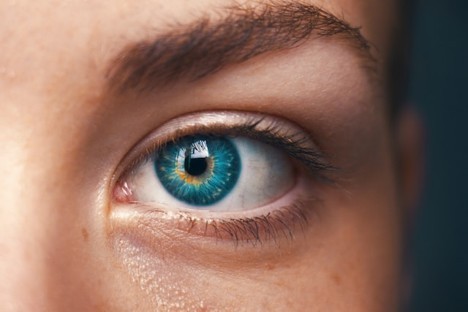
Photo by Amanda Dalbjörn on Unsplash
Introduction
Our eyes play a vital role in nearly every aspect of daily life, from reading and driving to enjoying time with family and friends. Yet many people focus on preserving their overall health while overlooking the habits that can affect their vision over time. While aging naturally influences eye function, certain lifestyle choices can either support healthy eyesight or contribute to future problems.
The good news is that many factors affecting eye health are within our control. By understanding how everyday habits influence vision, individuals can take practical steps to help protect their eyes and reduce the risk of long-term complications. Here are seven lifestyle habits that may significantly impact eye health over the years.
Spending Excessive Time on Digital Screens
Digital devices have become a constant part of modern life. Whether for work, entertainment, or communication, many people spend hours each day looking at screens. While digital devices do not typically cause permanent vision damage, prolonged screen use can contribute to eye strain and discomfort.
Common symptoms include dry eyes, blurred vision, headaches, and difficulty focusing. These issues often occur because people blink less frequently while using computers, tablets, and smartphones.
To reduce strain, consider following the 20-20-20 rule: every 20 minutes, look at something 20 feet away for at least 20 seconds. Adjusting screen brightness, maintaining proper viewing distance, and taking regular breaks can also help support eye comfort and overall visual wellness.
Neglecting a Nutrient-Rich Diet
What you eat can have a direct impact on eye health. Nutrients such as vitamins A, C, and E, along with zinc and omega-3 fatty acids, help support various eye functions and may contribute to long-term visual health.
Leafy green vegetables, colorful fruits, fish, nuts, and seeds contain important nutrients that support healthy eyes. Diets lacking these essential components may increase vulnerability to age-related vision concerns.
A balanced eating plan benefits not only the eyes but also the circulatory system. Because healthy blood flow is important for maintaining proper eye function, good nutrition can play a valuable role in protecting vision throughout life.
Failing to Protect Eyes from UV Exposure
Many people remember to apply sunscreen when spending time outdoors but forget that their eyes need protection as well. Long-term exposure to ultraviolet (UV) radiation can contribute to various eye conditions and may accelerate age-related changes.
Wearing sunglasses that block 100% of UVA and UVB rays helps shield the eyes from harmful exposure. Wide-brimmed hats can provide an additional layer of protection, particularly during periods of intense sunlight.
Understanding environmental factors is important because prolonged UV exposure is often discussed among the potential causes of cataracts and other vision-related concerns. Consistent protection can help reduce unnecessary stress on the eyes over time.
Smoking and Its Effects on Vision
Smoking is widely recognized for its harmful effects on overall health, but its impact on eye health is often overlooked. Tobacco smoke contains chemicals that can damage blood vessels and reduce oxygen delivery throughout the body, including the eyes.
Research has linked smoking with a higher risk of several vision-related conditions. In addition, exposure to secondhand smoke may cause eye irritation and discomfort.
For individuals looking to preserve long-term eye health, quitting smoking is one of the most beneficial lifestyle changes they can make. The positive effects extend far beyond vision and support overall wellness.
Skipping Regular Eye Examinations
Many eye conditions develop gradually and show few noticeable symptoms in their early stages. As a result, individuals may assume their vision is healthy simply because they can see clearly.
Routine eye examinations allow professionals to detect potential concerns before they become more serious. Comprehensive exams can identify changes in vision, evaluate overall eye health, and reveal signs of underlying health issues that may affect the eyes.
Regular checkups are especially important for older adults, individuals with diabetes, and those with a family history of eye disease. Early detection often provides more options for management and treatment.
Poor Sleep Habits
Quality sleep is essential for many aspects of physical health, including eye function. During sleep, the eyes receive the opportunity to rest, recover, and replenish moisture.
Chronic sleep deprivation may contribute to symptoms such as dry eyes, twitching, redness, and increased sensitivity to light. Over time, inadequate sleep can also affect concentration and visual performance during daily activities.
Establishing a consistent sleep schedule and creating a relaxing bedtime routine can support both overall health and eye comfort. Prioritizing sufficient rest is a simple but effective way to care for your vision.
Ignoring Physical Activity
Regular exercise benefits the entire body, including the eyes. Physical activity helps improve circulation, maintain healthy blood pressure levels, and support cardiovascular health, all of which play important roles in eye function.
A sedentary lifestyle may contribute to health conditions that indirectly affect vision. Staying active can help support healthy blood flow and reduce certain risk factors associated with age-related eye problems.
The good news is that exercise does not have to be intense to be beneficial. Walking, cycling, swimming, and other moderate activities can contribute to better overall health while supporting long-term visual well-being.
Conclusion
Long-term eye health is influenced by many daily habits that people often take for granted. Excessive screen time, poor nutrition, inadequate UV protection, smoking, skipped eye exams, insufficient sleep, and lack of physical activity can all affect vision over time.
Fortunately, small lifestyle adjustments can make a meaningful difference. By adopting healthier habits and remaining proactive about eye care, individuals can support their vision and maintain healthier eyes for years to come. Investing in eye health today can help preserve one of our most valuable senses well into the future.

What's your reaction?
You may also like
-

How Outdated Software Creates Hidden Cybersecurity Risks
-
The Role of Steel Fabrication in Modern Construction and Infrastructure
-
7 Beginner Mistakes to Avoid When Exploring Off-Road Terrain
-
7 Style Rules Every Parent Should Know Before Dressing Kids for Formal Events
-
How to Create Flashcards Online for Faster Learning
-
Choosing the Best Forex Copy Trade Service: Key Factors to Compare
















Comments
0 comment