




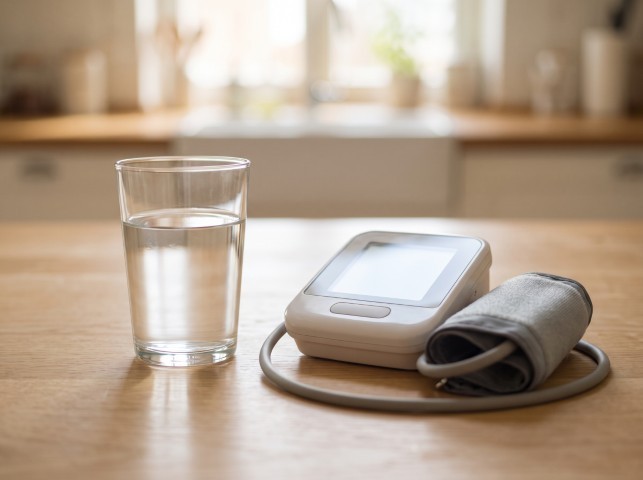
You might start to wonder whether dehydration can cause high blood pressure after a hot day, a long flight or a stomach bug, when your home monitor shows a higher number than usual. If you already track your blood pressure, an unexpected reading like that can be worrying.
In most people, dehydration lowers blood pressure instead of raising it. Even so, the body's response to losing fluid can briefly raise a reading, and some people are more sensitive to it than others. Because high blood pressure strains the heart and blood vessels over time, a regular heart check up is a more reliable guide to your numbers than a single reading taken on a thirsty day.
In this article, we will cover why dehydration usually lowers blood pressure, when it can raise it, the symptoms to look for, how to get an accurate reading and how much water to drink.
Why Does Dehydration Cause Low Blood Pressure?
Dehydration can cause low blood pressure (hypotension) because losing fluid reduces the amount of blood in your blood vessels. With less blood to pump, the pressure against your artery walls tends to fall. The drop is often most noticeable when you stand up quickly, and it can make you feel dizzy or lightheaded.
Older adults and people taking diuretics (water pills) are more likely to notice a drop in blood pressure. Older adults often feel less thirsty, so they may drink too little without realizing it. Diuretics, which are widely used to treat high blood pressure, also make you pass more urine, so hot weather or a stomach bug can lower blood pressure further.
However, dehydration does not lower blood pressure in everyone. The body works hard to protect its fluid supply, and in some people that response can raise blood pressure for a short time.
When Does Dehydration Increase Blood Pressure?
Dehydration can increase blood pressure for a short time when your body releases hormones to protect its fluid supply. As fluid levels drop, your brain releases vasopressin (antidiuretic hormone), which tells your kidneys to keep more water. At higher levels, vasopressin also narrows small blood vessels.
Your kidneys also release renin, an enzyme that leads to the production of angiotensin and aldosterone. Angiotensin tightens blood vessels, while aldosterone makes your body keep sodium. Narrower blood vessels raise your blood pressure while these hormones are active, and your heart may beat faster to keep blood moving.
Blood pressure usually returns to normal once you drink enough fluid. The link between long-term low fluid intake and lasting high blood pressure is less clear. Instead, high blood pressure is more commonly linked to age, family history, salt intake, weight, alcohol and inactivity.
What Are the Symptoms of Dehydration and High Blood Pressure?
The symptoms of dehydration are usually easy to notice, but many people with high blood pressure have no symptoms at all. For that reason, a blood pressure monitor is the main way to know your numbers.
Here is how dehydration can feel as it develops:
● Thirst – often the first sign, although older adults may not feel thirsty until they are already dehydrated.
● Darker urine – urine turns dark yellow, and you may pass it less often.
● Dry mouth – your mouth, lips and eyes may feel dry.
● Tiredness – you may feel unusually tired or weak.
● Headache – a dull headache is common with mild dehydration.
● Dizziness – feeling lightheaded when you stand up can mean your blood pressure has dropped.
Severe dehydration and very high blood pressure can both become emergencies. Confusion, fainting, a racing heartbeat or no urine for many hours needs emergency medical care straight away. The same applies to a reading of 180/120 or higher with chest pain, shortness of breath, weakness, vision changes or trouble speaking.
How Do You Get an Accurate Blood Pressure Reading?
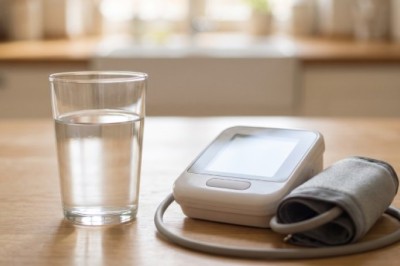
An accurate blood pressure reading comes from measuring under the same conditions each time, because dehydration, caffeine, exercise and a full bladder can change the number.
A reading may be lower than usual if you have lost a lot of fluid, or slightly higher while your body narrows your blood vessels and raises your heart rate. As a result, a single number taken while you are dehydrated may not reflect your usual blood pressure.
A home reading is usually more accurate if you:
● Wait 30 minutes – avoid caffeine, exercise and smoking for half an hour beforehand.
● Empty your bladder – a full bladder can raise the reading.
● Sit quietly – rest for five minutes with your back supported and your feet flat on the floor.
● Support your arm – rest it on a table so the cuff sits at heart level.
● Take two readings – wait one minute between them and record both.
One high reading on a hot or busy day is not a diagnosis. Even so, repeated readings of 130/80 or higher should generally be medically assessed.
During pregnancy, a high reading should be checked by a doctor promptly, even if you think dehydration is the cause.
Should You Drink More Water if You Have High Blood Pressure?
Drinking enough water is a good habit if you have high blood pressure, but drinking extra will not lower it. Fluid needs vary with your size, activity and the weather. As a general guide, men need 15.5 cups (3.7 liters) of fluid a day and women need 11.5 cups (2.7 liters), including water from food and other drinks. Pale yellow urine is a simple sign that you are drinking enough.
You may need more fluid in hot weather, during exercise or when you have vomiting or diarrhea. However, people with heart failure or kidney disease are sometimes advised to limit fluids. If either applies to you, or you take a diuretic, check with your doctor before changing how much you drink.
Water does not replace the habits that lower blood pressure. Eating less salt, staying active, limiting alcohol and taking any prescribed medicine usually make a far bigger difference.
The Bottom Line: Stay Hydrated and Know Your Numbers
Dehydration is rarely the reason behind lasting high blood pressure, and in most people it lowers blood pressure instead of raising it. A short-lived rise usually eases once you drink enough again, and simple habits such as drinking regularly through the day can help keep your readings steady.
Knowing your usual numbers gives you a clear starting point. A heart check up shows your blood pressure along with other measures of heart health, so you can see how your habits are working over time. With regular checks and enough water each day, you can look after your heart and blood pressure for years to come.
Disclaimer: This article is for general information only and is not medical advice. Please check with your own doctor about your blood pressure and any concerns you have.

What's your reaction?
You may also like
-

How Outdated Software Creates Hidden Cybersecurity Risks
-
The Role of Steel Fabrication in Modern Construction and Infrastructure
-
7 Beginner Mistakes to Avoid When Exploring Off-Road Terrain
-
7 Style Rules Every Parent Should Know Before Dressing Kids for Formal Events
-
How to Create Flashcards Online for Faster Learning
-
Choosing the Best Forex Copy Trade Service: Key Factors to Compare














Comments
0 comment