




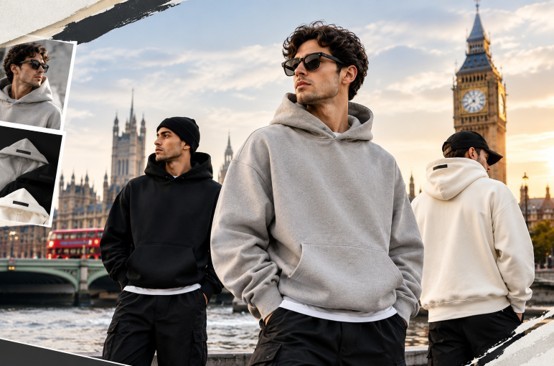
Layering is one of the easiest ways to make everyday outfits more practical, comfortable, and stylish. By combining different clothing pieces, you can adjust to changing temperatures while creating a look that feels complete without appearing overcomplicated. From lightweight spring outfits to warm winter combinations, the right layers can help you get more use out of your existing wardrobe.
An Essentials Hoodie is a versatile starting point for this approach because it combines a relaxed appearance with plenty of styling possibilities. You can wear it on its own during mild weather, layer it beneath a jacket when temperatures drop, or pair it with a coat for additional warmth in winter.
The key is choosing suitable fabrics, coordinating colours, and balancing proportions. With a few practical styling ideas, you can make your favourite hoodie work throughout the year while keeping your outfits fresh and comfortable.
1. Start with a Versatile Essentials Hoodie
Before experimenting with layers, choose a hoodie that works well with the clothes you already own. Its colour, fit, fabric weight, and overall shape can influence how easily you incorporate it into different outfits.
A neutral Essentials Hoodie can provide a useful foundation for everyday layering. Black, grey, beige, and cream are easy to coordinate with denim, cargo trousers, joggers, and different types of outerwear.
Choose a Colour That Works Throughout the Year
Neutral colours offer flexibility because they can complement both light and dark clothing.
- Grey: Works well with blue denim, black trousers, and neutral jackets.
- Black: Creates a clean foundation for monochrome outfits and contrasting outer layers.
- Cream: Adds a lighter appearance to outfits featuring earthy colours.
- Beige: Complements olive, brown, charcoal, and muted green shades.
You do not need to purchase several colours immediately. Start with a shade that matches your existing wardrobe, then introduce another option if you want more variety.
Consider the Fit Before Layering
A regular or relaxed fit can be easier to wear beneath fitted jackets, while an oversized hoodie may require roomier outerwear.
Check the shoulder width, sleeve length, and overall body measurements before buying. The hoodie should allow comfortable movement without bunching excessively beneath your jacket.
Choosing the right fit at the beginning makes layering more comfortable and helps your outfit maintain a balanced silhouette.
2. Spring Layering: Lightweight and Comfortable Combinations
Spring weather can change throughout the day, making lightweight layers particularly useful. Mornings may feel cool, while afternoons can become warm enough to remove an outer layer.
During this season, choose breathable clothing that can be added or removed easily.
Hoodie with a Denim Jacket
A denim jacket is a practical companion for a hoodie during mild spring weather. The structured appearance of denim contrasts with the softer shape of a sweatshirt, creating an outfit that feels casual without looking unfinished.
Try a grey hoodie with a blue denim jacket, straight-leg jeans, and white trainers. Alternatively, combine a black hoodie with a lighter denim jacket for more contrast.
If you prefer a coordinated appearance, choose denim in a shade that complements your trousers rather than matching every piece exactly.
Hoodie with an Overshirt
An overshirt offers another lightweight layering option. It can provide a little extra coverage without the bulk of a heavy coat.
Wear a cream hoodie beneath an olive overshirt, then add black jeans and neutral trainers. For a more understated combination, pair a grey hoodie with a charcoal overshirt and blue denim.
Leave the overshirt open to show the hoodie underneath, or fasten it when you want a more structured appearance.
Spring Styling Tip
Avoid wearing too many thick layers when the weather is mild. A hoodie, lightweight jacket, and comfortable trousers are often enough for a straightforward everyday outfit.
Choose pieces that can be separated easily, allowing you to adapt when the temperature changes.
3. Summer Layering: Keep Your Outfit Light
Layering during summer is less about adding warmth and more about creating visual interest while remaining comfortable.
In warmer weather, a heavy hoodie may feel restrictive, so consider lighter fabrics and simple combinations. You can also keep a hoodie available for cool evenings, air-conditioned spaces, or travel.
Wear a Hoodie with Shorts
Pairing a hoodie with shorts creates a relaxed outfit that works well for casual activities when the temperature allows.
A grey hoodie with black shorts and low-profile trainers offers a clean, sporty appearance. For a softer colour palette, try a cream hoodie with beige shorts and neutral footwear.
If the hoodie has an oversized silhouette, consider shorts that provide a balanced shape rather than adding excessive volume throughout the outfit.
Use a Lightweight T-Shirt as a Base Layer
A simple T-shirt beneath your hoodie provides an additional styling option when you want to remove the outer layer later.
Choose a T-shirt in a complementary colour, allowing a small amount of it to show at the neckline or hem if that suits your style.
For example, a black hoodie over a white T-shirt creates a classic contrast. Pair the combination with relaxed jeans or shorts, depending on the weather.
Summer Styling Tip
Do not assume that layering always requires several garments. A lightweight T-shirt beneath an open hoodie can be enough to create a layered appearance.
When temperatures are high, prioritise breathable fabrics and avoid wearing thick layers for extended periods.
4. Autumn Layering: Combine Textures and Colours
Autumn is an excellent season for experimenting with everyday layers. Cooler temperatures make hoodies more practical, while jackets and overshirts allow you to introduce different textures.
Earthy shades such as olive, brown, beige, and charcoal can work particularly well with autumn clothing.
Hoodie with a Bomber Jacket
A bomber jacket adds structure and a contemporary streetwear feel to a hoodie.
Combine a black hoodie with an olive bomber jacket, dark jeans, and trainers. Alternatively, wear a grey hoodie beneath a black bomber with charcoal trousers for a darker, coordinated outfit.
Pay attention to the jacket's fit. If your hoodie has wide sleeves or dropped shoulders, make sure the bomber provides enough room for comfortable movement.
Hoodie with a Flannel Overshirt
A flannel overshirt can introduce pattern and texture without making the outfit feel overly complicated.
Wear a plain cream hoodie beneath a muted checked overshirt, then finish with straight-leg denim and casual trainers. Keeping the hoodie simple allows the overshirt to add interest without competing with other details.
You can also choose an olive or brown overshirt for a more understated combination.
Hoodie with Cargo Trousers
Cargo trousers complement the relaxed appearance of streetwear-inspired hoodies. Their utility details add structure, while the hoodie keeps the outfit comfortable.
Try a grey hoodie with olive cargo trousers and black trainers. For a darker look, pair a black hoodie with charcoal cargos and understated footwear.
Autumn layering works best when the fabrics provide enough warmth for the weather without making the outfit difficult to move in.
5. Winter Layering: Stay Warm Without Losing Style
Winter calls for more thoughtful layering because warmth, coverage, and comfort become important considerations.
An Essentials Hoodie can work as a middle layer beneath a suitable coat or jacket, depending on its thickness and fit. However, it should not be expected to provide all the warmth you need during particularly cold conditions.
Hoodie with a Puffer Jacket
A puffer jacket is a practical choice for colder days because it provides an additional layer of insulation.
Pair a dark hoodie with a black or charcoal puffer jacket, straight-leg trousers, and weather-appropriate footwear. If you prefer lighter colours, a cream hoodie can create contrast beneath a darker outer layer.
Make sure the jacket allows enough space around the shoulders and sleeves. Layers should fit comfortably rather than restricting movement.
Hoodie with a Long Coat
For a more refined casual outfit, combine a simple hoodie with a long coat. The coat introduces a structured shape, while the hoodie keeps the overall appearance relaxed.
A grey hoodie, dark straight-leg trousers, and a charcoal coat create a straightforward combination. Alternatively, try a cream hoodie beneath a camel-coloured coat with dark denim.
This approach works particularly well when you want an outfit that feels more polished than a hoodie and puffer jacket combination.
Hoodie with a Practical Winter Jacket
For everyday activities in colder weather, a practical insulated jacket may be more suitable than a lightweight fashion layer.
Wear a hoodie beneath the jacket with warm trousers, suitable socks, and footwear appropriate for wet or cold conditions.
Consider the temperature, wind, and rain before choosing your layers. In very cold weather, additional insulating garments may be necessary.
Winter Styling Tip
Think of layering as a system. A comfortable base layer, a hoodie, and a suitable outer jacket can offer flexibility throughout the day.
Avoid making every layer excessively thick. Several well-fitting garments are often easier to wear than a combination that restricts your movement.
6. Master Colour Coordination for Every Season
Layering becomes easier when you understand how colours work together. You do not need every garment to match, but choosing complementary shades can make an outfit feel more intentional.
Build Around Neutral Colours
Black, grey, cream, beige, and charcoal provide a useful foundation for a versatile wardrobe.
A grey hoodie, for example, can work with a denim jacket in spring, shorts in summer, an olive overshirt in autumn, and a dark winter coat.
This flexibility means you can create different seasonal outfits without purchasing a completely new wardrobe.
Introduce Seasonal Colours
You can add variety by changing the colours of your outer layers.
During spring, lighter shades can create a fresh appearance. In summer, cream and pale grey can work well with simple shorts. Autumn outfits can incorporate olive, brown, and rust-inspired shades, while winter combinations often feature charcoal, black, and deeper neutral colours.
These are suggestions rather than strict rules. Wear colours that suit your personal taste and complement your existing clothes.
Balance Contrast and Texture
A hoodie and jacket in similar colours can create a streamlined appearance. Contrasting shades, on the other hand, can help individual layers stand out.
You can also introduce variety through different materials. For example, combining a soft hoodie with denim, a textured overshirt, or a structured coat creates visual interest without relying on bold graphics.
7. Choose the Right Trousers and Footwear
Your lower half plays an important role in balancing a layered outfit. The best choice depends on the hoodie's silhouette, the outerwear you choose, and the occasion.
Jeans for Everyday Versatility
Straight-leg jeans are an easy option because they work with both relaxed and oversized hoodies.
Blue denim creates a classic casual look, while black jeans suit darker streetwear combinations. During colder months, heavier denim may be more comfortable than lightweight alternatives.
Joggers for Casual Comfort
Joggers are useful for relaxed days, travel, and sporty outfits. Pair them with a hoodie and trainers for a comfortable combination.
To keep the outfit coordinated, choose joggers in a complementary shade rather than automatically matching them to your hoodie.
Cargo Trousers for Streetwear Styling
Cargo trousers add a utility-inspired appearance that works particularly well with oversized hoodies and casual jackets.
Olive, black, and beige are versatile choices. If your trousers already have prominent pockets or other details, keep your accessories relatively simple.
Select Footwear for the Weather
Trainers are suitable for many everyday outfits, but your footwear should also match the conditions.
Lightweight trainers can work well during dry spring and summer days. In autumn and winter, consider footwear with suitable grip and protection when conditions are wet or cold.
For more outfit inspiration and seasonal combinations, explore different Essentials Hoodie styles and compare available colours, fits, and product details.
8. Common Layering Mistakes to Avoid
Even simple outfits can become uncomfortable or unbalanced when layers are chosen without considering their fit and purpose.
Avoid these common mistakes:
- Wearing outerwear that is too tight: A jacket should accommodate your hoodie without restricting movement.
- Combining too many bulky garments: Excessive volume can make an outfit feel cumbersome.
- Ignoring the weather: A thick hoodie and heavy coat may be uncomfortable during mild conditions.
- Using too many competing colours: A coordinated palette can make everyday outfits easier to style.
- Overlooking fabric weight: Heavy materials may not be suitable for warmer weather.
- Forgetting practical footwear: Rain, cold temperatures, and slippery surfaces may require a more suitable option.
The goal is to create layers that work together. Comfort, practicality, and proportion should guide your choices as much as appearance.
Frequently Asked Questions
Can you wear an Essentials Hoodie in every season?
Yes, depending on the fabric weight and weather conditions. Wear it on its own or with lightweight layers in mild weather, and combine it with a suitable coat or insulated jacket during colder months.
What jacket works best with an Essentials Hoodie?
Denim jackets, bomber jackets, overshirts, puffers, and long coats can all work well. Choose an option that complements the hoodie's fit and provides suitable coverage for the weather.
Can you layer an oversized hoodie under a coat?
Yes, provided the coat has enough room around the shoulders, sleeves, and body. A coat that is too fitted may compress the hoodie and restrict movement.
How should you style a hoodie during summer?
Choose lighter fabrics and wear the hoodie with shorts or relaxed trousers when temperatures allow. You can also use it as an extra layer for cooler evenings or air-conditioned environments.
Which colours are easiest to layer?
Black, grey, cream, beige, and charcoal are versatile choices. They can be combined with denim, earthy shades, and many types of outerwear without requiring complicated colour coordination.
How many layers should you wear in winter?
There is no fixed number because the ideal combination depends on the temperature, activity, and clothing materials. A comfortable base layer, hoodie, and suitable outer jacket may work for many everyday situations, while colder conditions may require additional insulation.
Final Thoughts
Everyday layering is an effective way to make your wardrobe more versatile without constantly buying new clothes. An Essentials Hoodie can provide a practical foundation for seasonal outfits, from lightweight spring combinations to warmer winter layers.
Choose colours that complement your existing wardrobe, balance the proportions of your clothing, and select fabrics that suit the weather. Denim jackets, overshirts, coats, and practical footwear can all help you create different looks with the same hoodie.
By focusing on comfort, thoughtful combinations, and seasonal needs, you can build a collection of outfits that feels stylish and works throughout the year.

What's your reaction?
You may also like
-

10 Proven Strategies Accelerated Growth Advisors Recommend for Every MCA Firm
-
How Imaging Services Help Diagnose Medical Conditions
-
How to Plan Stress-Free Airport Transportation for Families With Young Children
-
Smart Business Growth: How to Scale Customer Support Without Increasing Overhead
-
Cloudways BFCM 2026: 80% OFF for 2 Months + Unlimited Migrations
-
10 Best Children’s Emergency Rooms Emergency Room Near Me Guide












Comments
0 comment