





The signs that you may need hormone replacement therapy (HRT) often start in your 40s or early 50s, with hot flashes during the day, night sweats that wake you and mood changes you cannot explain. These symptoms mainly happen because your ovaries make less estrogen as you approach menopause. For some women they are mild, but for others they affect sleep, work and relationships for several years.
Many women then wonder how to tell whether their symptoms need treatment. The main sign is usually symptoms that disrupt your daily life. Even so, your age, the timing of your last period and your health history also help decide whether hormone replacement therapy is a suitable choice for you.
In this article, we will cover the symptoms HRT can help with, the signs during perimenopause and after a hysterectomy, how safe HRT is, when to start it and how long it takes to work.
What Symptoms Can Hormone Replacement Therapy Help With?
Hormone replacement therapy can ease most common menopause symptoms by replacing some of the estrogen your ovaries no longer make. Because estrogen is the main female sex hormone, falling levels affect many parts of the body, from body temperature to sleep and mood.
Hormone replacement therapy for menopause symptoms may help with the following, starting with the most common:
● Hot flashes – sudden waves of heat in the face and chest, called night sweats when they happen during sleep. For many women, HRT is one of the most effective treatments for them.
● Sleep problems – waking during the night is common around menopause, and HRT may improve sleep, mainly by reducing night sweats.
● Mood changes – irritability, low mood and anxiety can increase in perimenopause, and HRT may help when the changes are linked to falling hormone levels. However, it is not usually used to treat depression on its own.
● Joint aches – stiff or aching joints are common around menopause, and HRT may ease them.
● Vaginal dryness – lower estrogen can make the vagina dry and sex painful, and it can make urinary tract infections more frequent. As a result, vaginal estrogen, used as a cream, tablet or ring, is often suggested for these symptoms.
● Low sex drive – HRT may help indirectly by easing dryness, hot flashes and poor sleep.
How Do You Know If You Need HRT in Perimenopause?

You may need HRT in perimenopause, the years before your periods stop for good, if symptoms such as hot flashes or poor sleep affect your daily life. Perimenopause usually begins in your 40s. It lasts four years on average, but it can be shorter or longer.
Irregular, heavier or lighter periods are often the first sign of perimenopause. Because other symptoms can start while you still have periods, many women do not link them to menopause at first.
Hormone replacement therapy for perimenopause can be started before your periods stop. For women over 45, a blood test is not usually needed to diagnose perimenopause, because hormone levels change from day to day. Instead, the diagnosis depends mainly on your symptoms and periods.
Do You Need HRT After a Hysterectomy?
You may need HRT after a hysterectomy (surgery to remove the uterus) if your ovaries were also removed, because losing the ovaries starts menopause straight away. The symptoms of this surgical menopause can be sudden and more intense.
For women who have this surgery before the usual age of menopause, HRT is often recommended until they reach that age, unless there is a medical reason to avoid it. Estrogen helps protect the bones and heart, so losing it early may raise the risk of osteoporosis (thinning of the bones) and heart disease. The same advice usually applies when menopause starts early for other reasons.
If only your uterus was removed, your ovaries usually keep making hormones. Menopause then starts naturally, although sometimes a little earlier. In that case, the signs that you need HRT are usually the same as in natural menopause. Women without a uterus can usually take estrogen-only HRT. Those who still have one generally also need a progestogen, a hormone that protects the uterus lining.
Is Hormone Replacement Therapy Safe?
Hormone replacement therapy is considered safe for many healthy women when it is used to treat menopause symptoms, and for some the relief may outweigh the risks. However, the risks can vary with your age, your health and the type of HRT, so it is best to discuss them with your doctor before starting.
For example, estrogen tablets are linked to a small rise in the risk of blood clots and stroke, while patches and gels appear to carry a lower clot risk. Combined HRT, which contains estrogen and a progestogen, is also linked to a small rise in breast cancer risk, which may increase the longer it is used.
HRT may not be suitable if you have, or have had, any of the following:
● Hormone-sensitive cancer – such as breast cancer or cancer of the uterus lining.
● Blood clots – a clot in a leg vein or in the lungs.
● Heart disease – including a past heart attack.
● Stroke – including a mini-stroke, also called a transient ischemic attack (TIA).
● Liver disease – active liver disease can affect how the body processes hormones.
● Unexplained bleeding – vaginal bleeding that has not yet been checked.
For women who cannot take HRT, non-hormonal medicines may help with hot flashes and other symptoms. Your doctor can advise on the options that suit you.
When Should You Start Hormone Replacement Therapy?

Hormone replacement therapy is usually worth discussing with your doctor when menopause symptoms regularly affect your sleep, work, mood or relationships. On the other hand, mild symptoms that do not bother you may not need treatment, and regular exercise, less alcohol and a cool bedroom can help.
The age at which you start HRT also affects its risks. Starting before 60, or within 10 years of your last period, is generally linked to fewer risks than starting later.
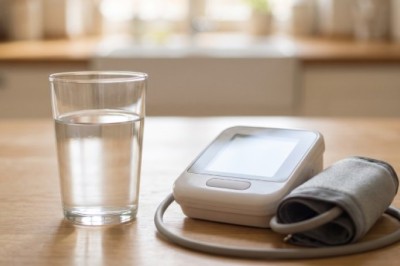
Before your appointment, it can help to note your symptoms, how often they happen and when your last period was. Your doctor may then ask about your personal and family medical history and check your blood pressure before suggesting a type and dose of HRT.
How Long Does Hormone Replacement Therapy Take to Work?
Hormone replacement therapy usually starts to ease hot flashes and night sweats within a few weeks, although the full effect can take up to three months. Vaginal dryness and urinary symptoms often take longer to improve.
Mild side effects, such as breast tenderness, bloating or spotting (light bleeding), are also common in the first few months. For most women, these side effects settle as the body adjusts.
If your symptoms have not improved after three months, your doctor may suggest a different dose or type of HRT. The length of treatment depends on your symptoms and health, and there is usually no fixed time limit. Instead, many women review their treatment with their doctor once a year.
To Sum Up: Most Menopause Symptoms Can Be Treated
Menopause is a normal stage of life, and the symptoms that come with it can usually be treated. For many women, HRT brings better sleep and fewer hot flashes within weeks, and finding the right type and dose may take a few adjustments.
Knowing the signs also makes it easier to ask for help early. Whether you are in perimenopause or have had a hysterectomy, talking to your doctor about hormone replacement therapy can help you decide what suits you. With the right support, many women feel well through menopause and for many years after.
Disclaimer: This article is for general information only and is not medical advice. Please check with your own doctor about whether hormone replacement therapy is right for you.

What's your reaction?
You may also like
-

How Outdated Software Creates Hidden Cybersecurity Risks
-
The Role of Steel Fabrication in Modern Construction and Infrastructure
-
7 Beginner Mistakes to Avoid When Exploring Off-Road Terrain
-
7 Style Rules Every Parent Should Know Before Dressing Kids for Formal Events
-
How to Create Flashcards Online for Faster Learning
-
Choosing the Best Forex Copy Trade Service: Key Factors to Compare















Comments
0 comment