




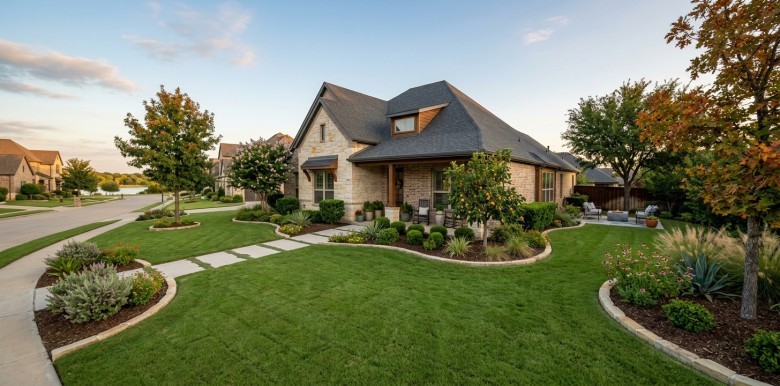
well-planned yard can do much more than make a home look attractive from the street. In Little Elm, outdoor space is often an extension of the home, whether it is used for weekend gatherings, quiet evenings, children's play, or simply enjoying some fresh air. That is why thoughtful landscaping in Little Elm should be about more than planting a few flowers and keeping the grass trimmed.
The best landscape plans consider how a property is actually used. They balance appearance with drainage, maintenance, shade, outdoor comfort, and the changing demands of North Texas weather. With the right choices, even an ordinary yard can become a practical part of everyday living.
A Yard Should Work as Well as It Looks
Curb appeal is certainly valuable, but it is only one piece of a successful landscape. A front yard may create a strong first impression, while the backyard may need to serve several completely different purposes.
For one homeowner, that could mean a comfortable patio surrounded by greenery. For another, it might mean an open lawn for children and pets. Someone else may want a low-maintenance garden with a small sitting area.
Before choosing plants or materials, homeowners should think about what they want the outdoor space to accomplish. A useful starting point is to consider:
- How the yard is used throughout the week
- Which areas receive the most sunlight
- Where water tends to collect after rain
- How much time is available for maintenance
This approach prevents homeowners from spending money on features that look appealing but do not fit their lifestyle.
Understanding the Little Elm Environment
A landscape should be designed for the conditions of the property rather than copied from a magazine or another neighborhood. Little Elm's North Texas setting brings its own considerations, including hot summers, periods of heavy rain, changing temperatures, and occasional winter freezes.
These conditions can influence everything from grass selection to irrigation and plant placement. A plant that performs beautifully in a shaded garden may struggle when placed in an exposed area that receives intense afternoon sun.
Start With the Soil and Sunlight
Good landscaping begins below the surface. Soil quality affects how well grass and plants establish themselves, while sunlight determines which varieties are likely to thrive.
Before installing a new lawn or garden, homeowners can observe the property during different parts of the day. Areas that appear sunny in the morning may become heavily shaded later, while spaces beside fences or walls may have completely different growing conditions.
Understanding these small differences can make a noticeable difference in long-term results.
Choosing Plants That Fit the Property
Plant selection is one of the easiest places to make an expensive mistake. A plant may look perfect at a garden center but perform poorly when exposed to the wrong conditions.
Instead of choosing plants based solely on appearance, homeowners should consider their mature size, water requirements, sunlight needs, seasonal changes, and maintenance demands.
A balanced landscape might combine trees, shrubs, ornamental plants, and groundcover rather than relying on a single type of planting.
Think About the Future, Not Just Installation Day
Young plants often look small and manageable when first installed. Over time, however, trees can grow toward roofs, shrubs can block pathways, and roots can interfere with hard surfaces or utilities.
Planning for mature growth helps prevent unnecessary trimming and future removal.
Useful considerations include:
- Leave enough space for mature plants
- Avoid placing large trees too close to structures
- Keep pathways clear as shrubs grow
- Choose plants according to their long-term water needs
A little planning at the beginning can save significant maintenance work later.
Where Sod Installation Fits Into a Better Landscape
A healthy lawn can provide structure to an outdoor space, but establishing grass from seed is not always the preferred route for homeowners who want a faster finished appearance. Sod installation provides an established layer of grass that can give a property a more complete look soon after installation.
However, laying sod is not simply a matter of rolling grass across the ground. The underlying soil needs to be prepared properly, the surface should be reasonably level, and the new sod needs sufficient water during establishment.
Poor preparation can lead to uneven growth, visible seams, dry areas, or problems with rooting.
Preparing Before the Sod Arrives
The preparation stage can determine whether a new lawn becomes established evenly. Depending on the property's condition, preparation may involve removing old vegetation, improving the soil, grading the area, and addressing drainage concerns.
Homeowners should also think about irrigation before installation. Newly installed sod has different watering needs than an established lawn, so having a practical watering plan ready can make the transition easier.
Lawn Care Is an Ongoing Process
Installing a lawn is only the beginning. Regular lawn care helps maintain its appearance and supports healthier growth over time.
Mowing too short, watering inconsistently, or ignoring compacted areas can gradually weaken the lawn. A better approach is to treat maintenance as a routine rather than waiting until the grass looks stressed.
A basic maintenance plan may include:
- Mowing at an appropriate height
- Monitoring soil moisture
- Addressing weeds before they spread
- Checking for signs of pests or disease
- Adjusting irrigation according to seasonal conditions
The exact schedule can vary depending on grass type, weather, soil, and the condition of the property.
Good Landscaping Should Manage Water Wisely
Water management is an important part of outdoor planning. Heavy rainfall can expose drainage problems, while hot weather can place additional pressure on lawns and plants.
A landscape that looks attractive but directs water toward the foundation can create much bigger concerns later.
Pay Attention to Drainage
Homeowners should notice where water travels during and after rainfall. Persistent puddles, muddy areas, eroded soil, or water collecting near structures may indicate that the existing landscape needs attention.
Possible solutions can include grading adjustments, strategically placed planting, drainage systems, or other landscape features depending on the property.
The best solution is not always the most complicated one. Sometimes correcting the slope or changing how a particular area is planted can make a meaningful difference.
Creating Outdoor Areas With a Purpose
A landscape becomes more valuable when different areas have clear purposes. Instead of treating the entire yard as one large open space, homeowners can create smaller zones for different activities.
For example, a backyard might include a lawn area for recreation, a shaded seating area for relaxation, and a planting bed that adds seasonal interest.
Designing Around Daily Habits
Think about how the property is used at different times of day. A seating area on the west side of the home may become uncomfortable during hot afternoon hours without adequate shade. A pathway that looks attractive on a plan may be inconvenient if it does not connect the areas people actually use.
Practical landscape design starts with these everyday details.
This is also where professional assistance can be valuable. The Grounds Guys of Little Elm can help homeowners plan and maintain outdoor spaces with attention to lawn condition, landscape layout, seasonal needs, and ongoing property care.
Professional input can be especially useful when several issues—such as lawn health, planting, drainage, and maintenance—need to be considered together.
Hardscape Features Can Change How a Yard Feels
Plants are only part of the landscape. Hardscape elements such as patios, walkways, retaining features, edging, and seating areas can give an outdoor space structure.
These features can also make a yard easier to use. A defined walkway can connect the driveway to the entrance, while a properly positioned patio can create a natural gathering area.
Avoid Overbuilding the Yard
More features do not necessarily create a better landscape. Too much concrete, too many decorative elements, or an excessive number of small planting beds can make a property feel crowded.
The goal should be balance. Hardscape should support the way the yard is used while leaving enough open space for greenery and movement.
Common Landscaping Mistakes to Avoid
Many landscape problems begin with decisions that seem harmless at first. Choosing plants without checking their mature size or installing grass without preparing the soil can create issues that become expensive to correct.
Some common mistakes include:
- Choosing plants solely because they look attractive
- Ignoring how much sunlight an area receives
- Installing plants too close together
- Underestimating irrigation needs
- Forgetting about future maintenance
Another common mistake is trying to change everything at once. A phased approach can sometimes produce better results, particularly when homeowners have a large property or a limited budget.
Maintenance Should Influence the Design
A beautiful landscape that requires constant attention may become frustrating. Before adding a feature, homeowners should think about the work involved in keeping it attractive.
A property with extensive planting beds, intricate edging, delicate plants, and large lawn areas can require considerable time and resources.
A lower-maintenance design might rely on fewer plant varieties, efficient irrigation, durable hardscape, and strategically placed groundcover.
Build a Maintenance Routine
Regular care is easier when responsibilities are spread throughout the year rather than left until problems become obvious.
A practical routine can include:
- Seasonal pruning where appropriate
- Lawn mowing based on growth rather than a rigid calendar
- Irrigation checks before extreme weather
- Removal of weeds before they become established
- Periodic inspection of trees, shrubs, and landscape structures
The purpose is not to make the yard perfect every day. It is to prevent small issues from becoming larger ones.
Thinking About Long-Term Property Value
Landscaping can contribute to the overall impression and usability of a property, but homeowners should avoid treating every landscape decision as an investment with a guaranteed financial return.
Instead, focus on improvements that provide genuine everyday value. Healthy trees, functional outdoor areas, attractive planting, and a well-maintained lawn can make a property more enjoyable while also creating a cared-for appearance.
A landscape that suits the house and neighborhood is usually more effective than one designed around temporary trends.
Seasonal Changes Matter in North Texas
A yard that looks excellent during one season may require a different approach several months later. Plants change, grass growth slows or accelerates, and irrigation requirements shift.
Homeowners who understand seasonal changes can adjust maintenance rather than following the same routine throughout the year.
For example, watering practices appropriate for hot summer conditions may not be necessary during cooler or wetter periods. Likewise, pruning and planting decisions are often better made with seasonal timing in mind.
When Professional Landscaping Help Makes Sense
Some projects are straightforward enough for homeowners to handle themselves. Planting a few containers or refreshing a small garden bed may not require professional assistance.
Larger projects can be different. If a yard involves grading, drainage, new sod, extensive planting, irrigation, or multiple outdoor zones, professional planning can help reduce costly mistakes.
Professional landscaping support can be useful when:
- The yard has persistent drainage problems
- A large lawn needs replacement
- Several landscape elements need to work together
- The property requires a significant redesign
- Ongoing maintenance is difficult to manage
The objective is not to make every project complicated. It is to make sure the work is appropriate for the property and produces results that can be maintained.
FAQs About Landscaping in Little Elm
How often should a Little Elm lawn be maintained?
Lawn needs change with grass type, season, rainfall, and growth rate. Regular mowing, watering, weed control, and periodic inspection are generally more effective than following a fixed schedule all year.
Is sod installation better than planting grass from seed?
Sod provides an established lawn much faster, while seed can take longer to develop. The right choice depends on budget, timing, soil conditions, grass type, and the homeowner's goals.
What should I consider before redesigning my yard?
Start with how you use the space, sunlight patterns, drainage, soil, maintenance expectations, and budget. These factors can help determine which improvements make the most sense.
How can I make my landscape easier to maintain?
Choose plants suited to the property's conditions, avoid overcrowding, use efficient irrigation, and design outdoor areas with simple maintenance in mind.
Can landscaping help with drainage problems?
It can, depending on the cause. Grading, planting, drainage features, and other improvements may help redirect or manage water, but persistent problems should be properly assessed before work begins.
When should I hire a professional landscaper?
Professional help can be worthwhile for larger projects involving sod, drainage, grading, irrigation, extensive planting, or complete landscape redesigns. It can also help homeowners avoid mistakes that become costly to correct.
Conclusion
Landscaping in Little Elm should be about more than creating a picture-perfect front yard. A successful landscape considers how people actually live, how the property handles water, which plants can thrive there, how much maintenance the homeowner can manage, and how the outdoor space may evolve over time.
From thoughtful planting and sod installation to practical lawn care and useful outdoor zones, each decision contributes to the overall performance of the yard. When design and maintenance work together, landscaping becomes more than decoration—it becomes part of the home's everyday function and comfort.

What's your reaction?
You may also like
-

How Outdated Software Creates Hidden Cybersecurity Risks
-
The Role of Steel Fabrication in Modern Construction and Infrastructure
-
7 Beginner Mistakes to Avoid When Exploring Off-Road Terrain
-
7 Style Rules Every Parent Should Know Before Dressing Kids for Formal Events
-
How to Create Flashcards Online for Faster Learning
-
Choosing the Best Forex Copy Trade Service: Key Factors to Compare















Comments
0 comment