




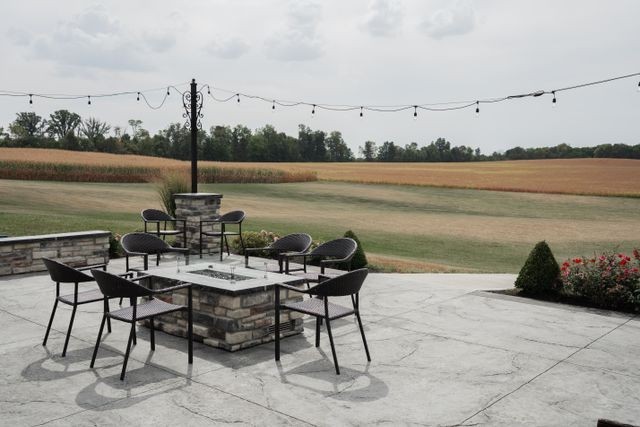
Image from Pexels
Your patio is one of the most valuable extensions of your home. It's a space for relaxation, entertaining guests, and enjoying the outdoors without giving up the comforts of indoor living. Yet certain elements can quickly transform a beautiful outdoor retreat into something frustrating, unsafe, or just plain unsightly. Knowing what to avoid turns out to be just as important as knowing what to include when you're designing or maintaining an outdoor space.
Inadequate or Deteriorating Furniture
Few things undermine the appeal of a patio faster than furniture that's worn out, uncomfortable, or simply wrong for the space. Cheap materials that were never designed for outdoor use tend to warp, rust, or crack after only a season or two of exposure to sun, rain, and humidity. Beyond aesthetics, deteriorating furniture poses real safety concerns, particularly chairs and tables with weakened structural integrity that can give way under normal use. Selecting durable, weather-resistant pieces made from materials like powder-coated aluminum, teak, or high-density polyethylene goes a long way toward ensuring both longevity and comfort. Choosing furniture that's appropriately scaled for your patio size also matters, since oversized pieces in a compact space create visual clutter and restrict easy movement. Homeowners who invest in quality backyard patio furniture tend to come out ahead in the long run by reducing the need for frequent replacements and keeping their outdoor space looking sharp year after year.
Poor Drainage and Standing Water
Standing water on a patio is a problem that many homeowners seriously underestimate until it develops into something much harder to fix. Improper drainage leads to puddles that seep beneath pavers or concrete, causing erosion, cracking, and lasting structural damage to the surface below. Beyond the physical toll on your patio materials, standing water creates a prime breeding environment for mosquitoes, which can make spending time outdoors genuinely unpleasant and even carry health risks. Water that consistently pools near the foundation of your home can also contribute to basement moisture issues and mold growth over time. To prevent these problems, the patio surface should have a slight slope, typically a one to two percent grade, directing water away from the structure and toward appropriate drainage areas. Installing channel drains or catch basins at strategic points offers additional protection, especially in climates that see heavy seasonal rainfall.
Overgrown or Invasive Plants
Greenery and plants can add tremendous charm to a patio setting, but the wrong varieties in the wrong places quickly become a liability rather than an asset. Invasive plant species are particularly problematic because they creep into the joints of pavers, lifting and displacing them over time and turning what was a smooth surface into something uneven and hazardous. Overgrown shrubs or vines without proper trimming can block natural light, crowd furniture arrangements, and provide cover for insects and pests you'd rather not encounter. Certain plants also drop excessive debris, whether seeds, sap, berries, or leaves, that stains surfaces and demands constant cleanup. When selecting plants for the patio perimeter or container gardens, it pays to prioritize species that are non-invasive, reasonably low-maintenance, and well-suited to your local climate. Consulting a landscape professional or your local cooperative extension office can point you toward the best options that enhance beauty without creating ongoing headaches.
Clutter and Disorganized Storage
A patio overloaded with mismatched items, forgotten equipment, and disorganized accessories loses its appeal as a peaceful retreat almost immediately. Common culprits include old gardening tools propped against walls, sports gear scattered across the floor, and a random collection of decorative pieces that share no real design relationship with one another. Clutter doesn't just diminish the visual appeal of the space; it makes the patio genuinely harder to use comfortably, whether the goal is dining, lounging, or socializing with friends. Establishing dedicated storage solutions, such as weatherproof deck boxes, vertical shelving units, or a compact outdoor storage shed, helps keep items that aren't in regular rotation out of sight and out of the way. A more disciplined approach to decoration, favoring a few well-chosen pieces over a growing accumulation of miscellaneous objects, keeps the space feeling open and purposeful. Periodically reassessing what actually belongs on your patio and removing anything that no longer earns its place will preserve both the function and the overall look of the space.
Inadequate Lighting and Safety Hazards
Lighting is frequently overlooked during the patio planning process, yet its absence creates both practical and safety problems the moment the sun goes down. A patio with insufficient lighting discourages evening use, which is often the most enjoyable time to be outdoors, especially during warmer months when the heat of the day has finally faded. More critically, poor lighting increases the risk of trips and falls on steps, uneven surfaces, or furniture edges that become nearly invisible after dark. Extension cords running across walkways, loose pavers, and cracked concrete sections are additional hazards that deserve prompt attention rather than being put off until next season. A layered lighting approach, combining ambient overhead fixtures with task-specific and accent options, addresses both safety and atmosphere at once. Solar-powered path lights, LED string lights, and low-voltage landscape fixtures are all practical, energy-efficient choices that can dramatically improve how usable and inviting the patio feels after dark.
Conclusion
A well-designed patio should be a genuine source of enjoyment, not a source of ongoing frustration. By proactively addressing poor furniture choices, inadequate drainage, invasive plants, cluttered storage, and insufficient lighting, you protect both your investment and your quality of outdoor living. Taking the time to evaluate your current patio setup with an honest eye allows you to catch problem areas before they escalate into costly repairs or safety concerns. With thoughtful planning and a reasonable commitment to upkeep, your patio can remain a beautiful, functional extension of your home for many seasons to come.

What's your reaction?
You may also like
-

Why Small Roofing Problems Can Become Harder to Diagnose When Homeowners Delay Repairs
-
Planning a Stair Lift for Shared Homes Without Disrupting Everyday Staircase Use
-
Managing Household Waste During Large Decluttering Projects Without Creating New Clutter
-
How to Plan Impact Door Installation Around Security, Access, and Everyday Household Routines
-
How Commercial Roofing Maintenance Planning Helps Property Managers Track Roof Conditions
-
Designing Privacy Around Street-Facing Windows Without Giving Up Useful Natural Daylight
















Comments
0 comment