




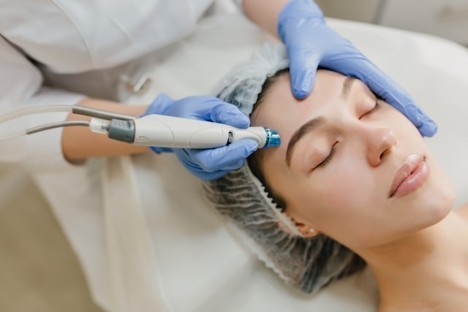
Photo by Look Studio on Unsplash
Introduction
Pregnancy is a time of profound change, both emotionally and physically. While the anticipation to welcome a new life is filled with joy, many expectant mothers also face unexpected challenges—one of the most common being acne. Hormonal fluctuations during pregnancy can trigger breakouts even in women who have never struggled with acne before. Managing acne during this delicate period requires extra care, as not all treatments are safe to use while expecting.
Dermatologists emphasize that pregnancy-safe skincare is about balancing effectiveness with safety. The goal is to minimize discomfort and maintain healthy skin without compromising the well-being of a mother or baby. Below are seven dermatologist-approved tips to help manage acne during pregnancy with confidence and care.
Choose Gentle Cleansers
A gentle cleanser is the cornerstone of any pregnancy-safe skincare routine. Harsh cleansers can strip the skin of natural oils and lead to irritation and worse breakouts. Dermatologists recommend mild fragrance-free cleansers that remove dirt and excess oil without disrupting the skin barrier.
Look for products labeled "non-comedogenic" to ensure they won't clog pores. Cleansing twice —morning and evening—is enough. Over-washing can dry out the skin and prompt it to produce more oil, which may make acne worse.
Make Hydration a Priority
Hydration has a crucial role in maintaining skin balance. During pregnancy hormonal changes can make skin more sensitive, so keeping it moisturized helps reduce irritation and inflammation. Choose lightweight, oil-free moisturizers that provide hydration without clogging pores.
Ingredients like hyaluronic acid are safe and effective for keeping moisture levels stable. Proper hydration also supports the skin's natural healing process and makes it easier to recover from breakouts.
Use Safe Topical Treatments
Not all acne treatments are safe during pregnancy, so choosing is key. Dermatologists often recommend topical options that are proven safe for expectant mothers. As an example, azelaic acid has an effect on acne treatment while being considered safe during pregnancy. It helps reduce inflammation of unclog pores and even improves skin tone.
Other safe options include sulfur-based treatments, which target bacteria and excess oil. Always consult with a healthcare provider before introducing new products to confirm they align with pregnancy safety guidelines.
Avoid Harmful Ingredients
Certain acne treatments should be avoided during pregnancy due to potential risks. Retinoids of salicylic acid in high concentrations, and benzoyl peroxide are not recommended. These ingredients, while effective in non-pregnant individuals, may pose safety concerns to developing babies.
Instead, focus on alternatives approved by dermatologists. Reading labels and consulting with a professional ensures that your skincare routine remains safe and effective.
Maintain a Balanced Diet
What you eat can have a significant impact on your skin. A balanced diet rich in fruits, vegetables, whole grains, and lean proteins supports overall health and can help minimize acne flare-ups. Foods high in antioxidants such as berries and leafy greens, combat inflammation, and promote clearer skin.
Limiting processed foods with sugary snacks and dairy may also reduce breakouts for some individuals. Staying hydrated by drinking plenty of water further supports skin health and helps flush out toxins.
Practice Stress Management
Pregnancy can be stressful, and stress is a known trigger for acne. Incorporating relaxation techniques into your daily routine can help manage both emotional well-being and skin health. Practices such as prenatal yoga, meditation, and deep breathing exercises are safe and effective ways to reduce stress.
Adequate sleep is important. Rest allows the body to regulate hormones and repair itself, both of which contribute to healthier skin.
Consult a Dermatologist
Every pregnancy is unique, and so is every skincare journey. Regular consultations with a dermatologist ensure that your acne management plan is tailored to what you need. Dermatologists can recommend safe treatments, monitor progress, and adjust strategies when needed.
Professional guidance provides peace of mind and confirms that your skincare routine is not effective but also safe for you and your baby.
Conclusion
To manage acne during pregnancy requires a thoughtful approach that prioritizes safety without sacrificing effectiveness. Gentle cleansers with proper hydration safe topical treatments, avoidance of harmful ingredients balanced nutrition, stress management, and professional guidance all play essential roles in keeping your skin healthy during this transformative time.
By following dermatologist-approved tips, expectant mothers can navigate pregnancy with greater confidence and focus on the joy of the journey while keeping skin concerns under control. In the end, the goal is not perfection but comfort, safety, and self-care—values that resonate during pregnancy and beyond.

What's your reaction?
You may also like
-

Why Small Roofing Problems Can Become Harder to Diagnose When Homeowners Delay Repairs
-
Planning a Stair Lift for Shared Homes Without Disrupting Everyday Staircase Use
-
Managing Household Waste During Large Decluttering Projects Without Creating New Clutter
-
How to Plan Impact Door Installation Around Security, Access, and Everyday Household Routines
-
How Commercial Roofing Maintenance Planning Helps Property Managers Track Roof Conditions
-
Designing Privacy Around Street-Facing Windows Without Giving Up Useful Natural Daylight
















Comments
0 comment