




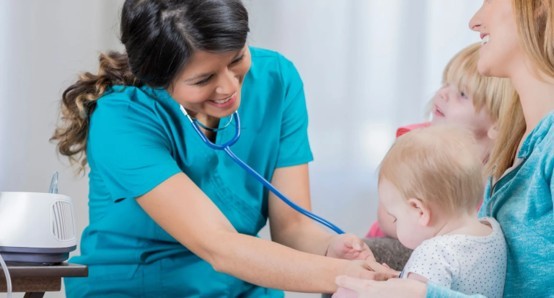
Children require proper care to develop into healthy individuals who achieve their complete physical development. Parents encounter various medical situations which include colds and minor injuries while they remain uncertain about which healthcare services their children need. People who know about doctor's contact times and medical condition treatment methods will manage these situations better.A pediatric care specialist works with parents to teach them about their children's medical needs while tracking their development and spotting disease indications which need medical care. Patients who receive regular medical checkups and prompt treatment will stop their health issues from developing into serious medical conditions.The article presents seven useful tips which help parents take care of their children while learning to identify when their children need medical care.
1. Schedule Regular Health Checkups
Children need to receive their regular health screenings at every stage of their childhood development. Healthcare providers use these visits to watch how children develop through their measurements of weight and height and their complete growth progress. Medical screening programs help doctors find health problems which become more severe after they reach advanced stages.Parents need to follow the recommended schedule for their children to receive checkups throughout their childhood even when their children seem healthy. Doctors use these visits to discuss patient care through discussions about nutrition and sleep habits and physical activity and developmental progress. Parents can use their scheduled appointments to talk about their child's behavior and health concerns which they can ask questions about.
2. Pay Attention to Changes in Your Child's Health
Children experience difficulties when they need to explain their emotional state. Young children display their sickness through behavioral modifications which become most apparent in their behavior. The patients start to show signs of fatigue. The patients also lose their appetite. The patients cry often. The patients have disturbed sleep patterns. Parents must watch these changes. Parents must record how long these changes last. People with symptoms can heal by resting and drinking fluids.. People should see a doctor if their symptoms get worse or do not improve.The pediatric healthcare professional will assess the need for medical treatment based on the symptoms which children exhibit. You must bring your child to emergency medical care immediately when they start having breathing difficulties or they lose consciousness during your attempts to wake them or display any other signs which indicate a critical health situation.
3. Keep Your Child's Vaccinations Up to Date
Vaccinations are beneficial in safeguarding our children from various life-threatening infectious diseases. They stimulate the immune system by recognizing the presence of specific pathogens and thus, can fight better.The whole schedule of vaccinations needs to be followed which your doctor suggests for your baby. If your kid has missed any vaccination then ask the doctor about how you should get it done and do not delay the whole schedule. It is an idea to store your child's vaccination records in a secure location. Having these records will help the doctor or nurse understand which vaccinations your child has already received and which ones are still needed.
4. Choose the Right Medical Care for Your Child
Not every childhood sickness needs ER care. Here, we explain whether your child needs regular, urgent or emergency care. When it is time for a routine visit, checkup or to handle a chronic condition, your pediatrician should be your first line of defense, but if your child has a minor cut or bruise, ear ache or sprain or infections out of hours, I may be able to help you and if you experience hemorrhages that cannot be controlled, breathing issues, seizures or allergic reactions as well, look for emergency services.
5. Encourage Healthy Eating and Good Sleep Habits
Children need eating habits and sufficient sleep. Healthy eating habits and sufficient sleep help children develop learning abilities and keep children healthy. Parents need to provide their children with nutritious options which include fruits and vegetables and whole grains and protein sources while teaching them proper eating behaviors without making them eat all their food.A standard bedtime routine together with a cozy sleeping space and reduced screen usage before sleeping time will help people get better rest. You should seek medical advice for your child when their eating habits and sleep patterns and weight development show no signs of improvement.
6. Teach Children Simple Hygiene Habits
Good hygiene helps reduce the spread of germs and protects children from common infections. Parents can teach children to wash their hands with soap and water before eating, after using the bathroom, and after playing outside.
I believe that children should also remember to cover their mouths and noses when they cough and sneeze. Using tissue and disposing of it correctly then washing their hands afterwards can assist with the spreading of germs to others. Making sure the toys are clean and the surfaces that are touches such as tables and doorknobs are also very helpful. This is particularly so when there are lots of children in the household or in school. Easy to understand reasons and doing these things every day can help kids learn why staying clean is important. This can also help kids learn to take care of their health as they get older.
7. Know When Your Child Needs Immediate Medical Attention
I know that to treat my child I need to recognize emergency warning signs that are sometimes life threatening. If my child has breathing problems or blue/gray lips, if my child is bleeding or has a seizure, or if my child is having trouble waking up, I know to seek emergency treatment. I also know I need to seek immediate treatment if my child is having a severe allergic reaction. If my child has a temperature of 100.4°F (38°C) or higher and is under three months old, I say treatment should be sought as well.
Conclusion
Caring for children means doing more than treating illness when it shows up. Caring for children requires checkups, vaccinations, healthy eating, good hygiene and watching for changes in behavior all of which help keep a child healthy. Caring for children also means parents should know when a small sickness can be looked at by a care clinic and when it is necessary to go to an emergency department.
By following these seven tips parents can feel ready to handle common health problems that children face.If questions come up about a child’s symptoms, growth or treatment a qualified healthcare professional can give advice that fits the child’s needs.

What's your reaction?
You may also like
-

Kinds of Insurance and What to Buy
-
Office Remodel? What to Keep in Mind
-
5 Ways To Innovate Your IT Response Times
-
A Room-by-Room Packing Order That Helps Keep the Final Week Before Moving More Manageable
-
CompTIA Network+ Study Guide: A Practical System for Passing N10-009
-
RecoveryFox Halloween Giveaway 2026















Comments
0 comment