




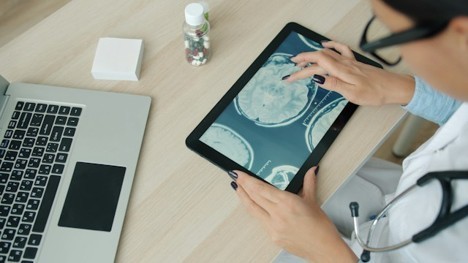
Photo by Vitaly Gariev on Unsplash
Introduction
Laboratories play a critical role in modern healthcare, providing the diagnostic information that guides treatment decisions and patient care. However, traditional pathology workflows often involve manual slide handling, physical storage, transportation challenges, and time-consuming review processes. As healthcare systems continue to demand greater accuracy, faster turnaround times, and improved collaboration, laboratories are increasingly turning to digital solutions.
Digital pathology has emerged as a transformative technology that allows pathology slides to be scanned, stored, analyzed, and shared electronically. By converting traditional glass slides into high-resolution digital images, laboratories can streamline workflows, improve accessibility, and support more efficient diagnostic processes. Beyond convenience, digital pathology is helping institutions enhance productivity, reduce operational bottlenecks, and prepare for the future of precision medicine.
Here are seven ways digital pathology is transforming laboratory efficiency and reshaping the future of diagnostic services.
Streamlining Slide Management and Storage
One of the most immediate benefits of digital pathology is the elimination of many challenges associated with physical slide management. Traditional pathology departments often maintain vast archives of glass slides that require dedicated storage space, careful organization, and ongoing maintenance.
Digital slide scanning allows laboratories to create electronic archives that can be accessed quickly and securely. Instead of manually locating and retrieving slides from storage facilities, pathologists can search for specific cases within seconds.
This digital approach reduces administrative burdens and minimizes the risk of misplaced or damaged slides. It also frees valuable laboratory space that can be used for other operational needs. The ability to efficiently organize and retrieve pathology images significantly improves day-to-day workflow management while supporting long-term record retention requirements.
Accelerating Diagnostic Turnaround Times
Timely diagnoses are essential for effective patient care. Delays in pathology review can postpone treatment decisions and create inefficiencies throughout the healthcare system.
Digital pathology enables pathologists to access scanned images almost immediately after slide preparation. Instead of waiting for physical slides to be transported between departments or facilities, specialists can review images electronically from authorized workstations.
This streamlined process reduces delays and supports faster case evaluation. In high-volume laboratories, faster access to diagnostic materials can help teams manage workloads more effectively and improve overall productivity.
The ability to expedite slide review contributes to shorter turnaround times, helping clinicians receive critical diagnostic information sooner and allowing patients to begin appropriate treatment plans more quickly.
Enhancing Collaboration Among Specialists
Complex cases often require consultation from multiple experts. Traditionally, obtaining second opinions meant physically shipping slides to other facilities, which could add days or even weeks to the diagnostic process.
Digital pathology removes many of these barriers by enabling secure sharing of high-resolution images. Pathologists, subspecialists, and multidisciplinary care teams can review the same case simultaneously regardless of geographic location.
This collaborative capability is particularly valuable for rare diseases, complex cancer diagnoses, and challenging cases that benefit from expert input. Real-time access to digital images encourages faster communication and more informed decision-making.
By reducing logistical obstacles, digital pathology helps healthcare organizations leverage specialized expertise more efficiently while maintaining high diagnostic standards.
Supporting Advanced Image Analysis
Artificial intelligence and advanced image analysis tools are becoming increasingly integrated into pathology workflows. These technologies assist pathologists by identifying patterns, highlighting areas of concern, and providing quantitative measurements that support diagnostic evaluations.
Modern pathology software can analyze large numbers of digital slides and help prioritize cases requiring immediate attention. Automated tools may also assist with cell counting, biomarker assessment, and tissue classification, reducing the time required for certain repetitive tasks.
Importantly, these technologies are designed to complement rather than replace pathologists. By handling routine analytical functions, image analysis tools allow specialists to focus on interpretation, clinical judgment, and complex decision-making.
The result is a more efficient workflow that enhances productivity while maintaining diagnostic quality.
Improving Remote Access and Flexible Workflows
The rise of digital healthcare has highlighted the importance of remote accessibility. Digital pathology enables authorized professionals to securely review cases from various locations without requiring physical access to laboratory facilities.
This flexibility offers significant operational advantages. Pathologists can participate in consultations, perform case reviews, or collaborate with colleagues regardless of location. Healthcare organizations can also maintain continuity during staffing shortages, travel restrictions, or unexpected disruptions.
Remote access capabilities support more efficient workload distribution across multiple sites and help organizations utilize available expertise more effectively. As telemedicine and digital healthcare continue to expand, remote pathology workflows are becoming an increasingly valuable component of laboratory operations.
Reducing Errors and Enhancing Quality Control
Accurate specimen tracking and quality assurance are critical in pathology. Manual processes can sometimes increase the risk of labeling errors, misplaced slides, or documentation inconsistencies.
Digital pathology systems often include integrated tracking features that improve chain-of-custody management throughout the diagnostic process. Automated workflows can help verify specimen identification, maintain audit trails, and ensure compliance with established protocols.
Additionally, digital archives make quality assurance reviews more efficient. Laboratories can easily revisit prior cases, compare findings, and conduct peer reviews without locating physical slides.
These capabilities strengthen quality control programs and help laboratories maintain high standards of accuracy, consistency, and regulatory compliance.

What's your reaction?
You may also like
-

7 Tips for acid reflux chest pains 24 7 emergency room Fast
-
How to Choose the Right Brass Tub for Your Bathroom
-
How Enterprise Software Enhances Team Collaboration
-
7 Powerful Benefits of Using a Flashcard Template for Learning
-
7 Smart Tips for Economy Car Rental Jordan Travelers
-
8 Unique Gemstone and Diamond Combinations That Make Wedding Bands Stand Out















Comments
0 comment