




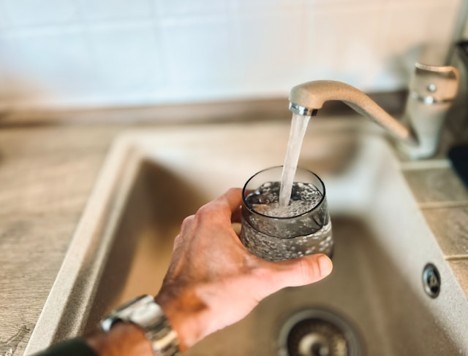
Photo by Swanky Fella on Unsplash
Introduction
Water waste has climbed the priority list for a lot of homeowners lately — and the reasons aren't hard to find. Bills keep rising. Dry spells hit harder and stretch longer. Nobody wants to fund water that silently vanishes before it does anything useful. Flipping off the tap mid-brush? Marginal. The meaningful cuts come from targeted upgrades running quietly in the background, day and night, occupied house or empty one.
Smart fixtures, smarter irrigation, leak detection that never blinks — the options available now are genuinely impressive. Eight upgrades worth considering are laid out below, each capable of putting a real dent in what your household actually consumes.
Install High-Efficiency Toilets
Older toilets are quiet offenders. Several gallons per flush, dozens of flushes daily — that math gets ugly fast. High-efficiency models flip the equation. Modern flushing mechanisms clear waste cleanly on a fraction of the water older hardware demands. Multiple bathrooms mean the savings multiply across every single use. Most households notice the shift in their monthly bill faster than expected.
Upgrade to Water-Saving Showerheads
Standard showerheads run high. Not just on water — on the energy heating all that water, too. Both costs climb together. Efficient showerheads sidestep that entirely. Aeration technology keeps the pressure feeling solid while actual flow drops considerably. Low upfront cost. Payback through reduced utility bills? Usually quick.
Replace Old Faucets with Efficient Fixtures
Kitchen and bathroom faucets see action dozens of times a day. Small inefficiencies at that frequency don't stay small — they compound across months into genuinely wasteful totals. Low-flow faucets regulate output without making routine tasks feel any different. Built-in aerators push air into the stream, maintaining pressure while pulling flow down. Swapping dated fixtures ranks among the simpler changes available to homeowners — and one of the more consistently overlooked.
Invest in Smart Leak Detection Systems
Hidden leaks are brutal in a specific way. A slow drip behind drywall or tucked beneath a cabinet runs for weeks before anyone catches it — wasting water, softening wood, inflating bills the entire time. Smart detection devices monitor flow throughout the home and flag unusual patterns the moment they appear. Some go further still, cutting supply automatically when something serious registers. Early intervention kills the waste. It also stops a plumbing nuisance from metastasizing into a full renovation.
Upgrade Your Irrigation System
Outdoor watering eats a substantial share of residential consumption, particularly once summer settles in. Fixed-schedule sprinklers don't know it rained yesterday. They run regardless. Smart irrigation controllers address that directly — weather sensors, soil moisture data, programmable scheduling. Water reaches the landscape only when it's actually needed. Grass stays healthy. Waste doesn't.
Install a High-Efficiency Washing Machine
Laundry is not negotiable. Running an aging top-loader through several cycles a week, though? That volume accumulates. High-efficiency front-loaders and newer top-loaders clean just as well — often better — while using considerably less water per load. Load-sensing technology reads what's actually in the drum and adjusts accordingly. Same results. Smaller footprints.
Maintain and Modernize Plumbing Systems
Even the best fixtures underdeliver when the plumbing behind them is aging or compromised. Worn valves, corroded pipe sections, slow undetected leaks — these bleed water constantly, invisibly, without a single symptom a homeowner would notice. Routine inspections catch problems before they compound. Those who want professional eyes on the system may find it worthwhile to consult experienced plumbing services in Long Beach or qualified providers in their area — identifying efficiency gaps and recommending fixes that make every other upgrade perform as intended.
Consider Rainwater Harvesting Solutions
Rainwater harvesting is simple at its core. Rooftop runoff gets captured, stored, then redirected later toward gardens, landscaping, or other non-potable applications. Setup isn't complicated. Even a modest collection system pulls meaningful demand off municipal supplies. Utility costs ease. Resource use becomes more deliberate. As sustainability continues gaining real traction, harvesting what's already falling from the sky stands out as one of the more practical approaches available.
Conclusion
Better water efficiency doesn't mean cold showers or a brown lawn. It means smarter systems doing quiet, consistent work — high-efficiency toilets, aerating faucets, leak detectors that don't sleep, irrigation that actually reads the weather before running.
Find where the waste is happening. Put the right fixes in place. The financial and environmental returns build steadily over time, making the upfront effort look, in hindsight, like an obvious call.

What's your reaction?
You may also like
-

Where Should You Go Next? Use AstroCarto to Compare Travel Destinations with AI
-
Understanding AI Image Generation: How Text Becomes Visual Content
-
How to Transform Your Ute into the Ultimate Off-Grid Adventure Vehicle
-
How to Mine Bitcoin in 2026? Bitcoin Mining Methods, Cloud Mining & Profit Guide
-
Glass Replacement for Foggy Windows: Understanding What Moisture Between Panes Can Indicate
-
How to Handle the First 48 Hours After Moving Without Unpacking Your Entire Household














Comments
0 comment