




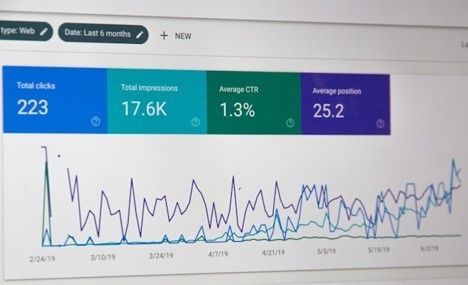
Photo by Stephen Phillips - Hostreviews.co.uk on Unsplash
Introduction
For medical practices local visibility has become essential rather than optional. Most patients begin their healthcare journey online. They search for nearby providers, read reviews, compare services, and look for trusted information before they schedule an appointment. As search engines continue to change, healthcare organizations must adapt their digital strategies to remain competitive in local search results.
Modern SEO is about much more than keywords and website rankings. It involves user experience credibility, content with a local focus, and technical improvements that help practices connect with potential patients at the right time. When medical practices understand the latest SEO trends, they can strengthen their online presence, attract more qualified leads, and build patient trust over the long term.
Optimized Google Business Profiles Drive More Local Visibility
A optimized Google Business Profile remains one of the most powerful tools for local medical SEO. Search engines rely on this information when displaying local results, map listings, and healthcare-related searches.
Medical practices should ensure that their business name address, phone number, operating hours, and service categories are accurate and consistent. Adding high-quality images, appointment links, and detailed service descriptions can further improve visibility and engagement.
Regular profile updates signal activity and help practices remain relevant within local search environments.
Patient Reviews Have Become a Major Ranking Factor
Online reviews have a significant influence on both search rankings and patient decision-making. Positive reviews build trust while providing search engines with freshness and credibility signals.
Encouraging satisfied patients to leave honest feedback can strengthen a practice's online reputation. Responding in a professional manner to reviews, whether positive or negative, demonstrates a commitment to patient care and engagement.
A consistent stream of authentic reviews helps medical practices stand out from competitors in crowded local markets.
Mobile-First Experiences Are Necessary
Most healthcare-related searches now occur on mobile devices. Patients often look for nearby clinics with urgent care centers, specialists, or appointment availability while on the go.
Medical websites must load, display across devices, and provide easy navigation. Contact information, appointment scheduling options, and location details should be accessible within seconds.
A mobile-friendly experience improves user satisfaction and helps search engines view the website as a valuable resource for local users.
Localized Content Builds Community Relevance
Creating content that addresses local healthcare concerns can improve search visibility and patient engagement. Search engines favor content that demonstrates relevance to specific geographic areas.
Articles discussing seasonal health issues, community wellness initiatives for local healthcare events, and regional medical concerns can help practices connect with nearby audiences.
This approach does not improve rankings but also positions providers as trusted contributors within their communities.
Voice Search Optimization Continues to Expand
Voice searches are becoming more common as people use smartphones and digital assistants to find healthcare providers. These searches are often conversational and location based.
Patients may ask questions such as "Where is the nearest pediatric clinic?" or "Which ENT specialist is open today?" Creating content with natural language, question-based headings, and concise answers can improve visibility for these searches.
Medical practices that adapt to voice search behavior can capture valuable local traffic from high-intent users.
AI-Powered Search Rewards Expertise and Trust
Search engines evaluate content quality through signals related to expertise, experience, authority, and trustworthiness. This matters in healthcare where accurate information affects user well-being.
Medical practices should publish expert-written content, showcase physician credentials, cite reliable medical sources, and maintain updated service information.
Organizations that invest in quality healthcare content often see stronger search performance and greater patient confidence.
Hyperlocal SEO Creates Competitive Advantages
Hyperlocal SEO focuses on targeting specific neighborhoods, districts, and communities rather than broader cities alone. This trend works well for practices that serve defined geographic areas.
Dedicated location pages, community-focused content, and neighborhood-specific keywords can help practices appear in highly targeted searches. Many healthcare providers also integrate hyperlocal strategies with specialized campaigns such as ENT marketing to attract patients who seek particular treatments within a specific service area.
These efforts often generate more qualified leads because they align with patient intent.
Structured Data Has an Influence on Search Engine Understanding
Schema markup and structured data help search engines better understand healthcare websites and their services. This additional information can improve how listings appear in search results.
Medical practices can use structured data to highlight physician profiles, office locations, operating hours, reviews, and medical services. Rich search results often attract higher click-through rates because users receive more useful information before they visit the website.
Structured data implementation provides a crucial technical advantage in competitive local markets.

What's your reaction?
You may also like
-

Where Should You Go Next? Use AstroCarto to Compare Travel Destinations with AI
-
Understanding AI Image Generation: How Text Becomes Visual Content
-
How to Transform Your Ute into the Ultimate Off-Grid Adventure Vehicle
-
How to Mine Bitcoin in 2026? Bitcoin Mining Methods, Cloud Mining & Profit Guide
-
Glass Replacement for Foggy Windows: Understanding What Moisture Between Panes Can Indicate
-
How to Handle the First 48 Hours After Moving Without Unpacking Your Entire Household















Comments
0 comment