




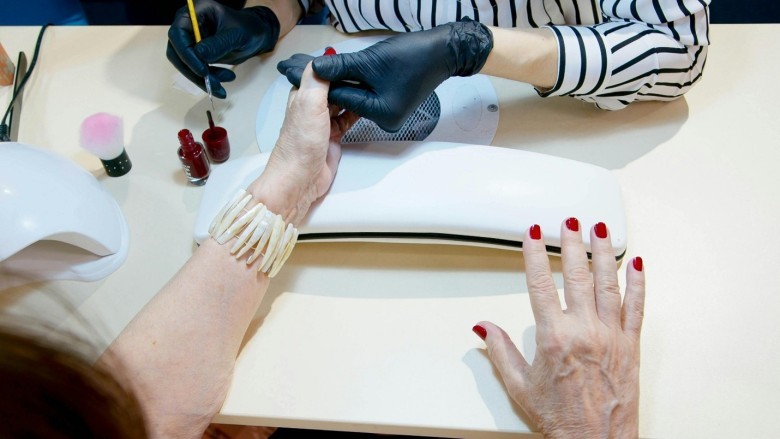
Photo by Pexels
A career in nail art offers a dynamic blend of artistic expression and entrepreneurial opportunity. However, success in this field requires more than creativity alone. Professionals must balance their artistic talents with practical business skills to build a sustainable and rewarding career. Understanding how to manage both aspects effectively allows nail artists to grow their brand, maintain profitability, and continue producing high-quality work.
Developing Artistic Skills While Staying Market-Relevant
Creativity is the foundation of any nail art career, but it must evolve alongside market trends. Continuous learning is essential for staying competitive. This includes exploring new techniques, experimenting with designs, and adapting to client preferences.
Attending workshops, following industry leaders, and practicing regularly help refine skills and expand artistic capabilities. Maintaining a portfolio that showcases a range of styles ensures that clients can see the breadth of a nail artist’s expertise.
Balancing originality with client demand helps ensure that creativity remains both innovative and commercially viable.
Managing Time and Productivity
One of the biggest challenges in balancing creativity and business is time management. Nail artists must allocate time for appointments, administrative tasks, and creative development.
Scheduling systems and efficient workflows can help maximize productivity. Setting realistic appointment durations and allowing time for breaks ensures consistent performance throughout the day.
Using structured resources, such as a nail drill bit guide for efficiency and precision, can streamline services and improve overall time management, allowing artists to maintain both quality and productivity.
Building Financial Stability
Financial management is a critical aspect of sustaining a nail art career. Pricing services appropriately ensures that time, materials, and expertise are adequately compensated.
Tracking expenses, managing inventory, and budgeting for business growth all contribute to financial stability. Nail artists should also consider investing in high-quality tools and products, as these can enhance both results and efficiency.
Balancing creative passion with financial discipline helps ensure long-term success in the industry.
Enhancing Client Communication and Service Quality
Strong communication skills are essential for delivering successful services. Understanding client expectations and clearly explaining available options helps prevent misunderstandings and ensures satisfaction.
Professionalism in communication builds trust and strengthens client relationships. Listening to feedback and adapting services accordingly demonstrates a commitment to quality and improvement.
Providing consistent, high-quality service reinforces a positive reputation and encourages repeat business.
Maintaining Passion While Avoiding Burnout
Balancing creativity and business responsibilities can be demanding, making it important to prioritize self-care and prevent burnout. Taking time to recharge, setting boundaries, and maintaining a healthy work-life balance are essential for sustaining passion in the long term.
Engaging in creative projects outside of client work can also help maintain inspiration and prevent routine fatigue. By nurturing both their artistic and personal well-being, nail artists can continue to produce high-quality work while enjoying their career.
Conclusion
A successful nail art career requires a careful balance between creativity and business management. By developing artistic skills, managing time effectively, maintaining financial stability, and prioritizing client relationships, nail artists can build a sustainable and fulfilling profession. With thoughtful planning and ongoing dedication, it is possible to thrive in both the creative and business aspects of the industry.

What's your reaction?
You may also like
-

Why Small Roofing Problems Can Become Harder to Diagnose When Homeowners Delay Repairs
-
Planning a Stair Lift for Shared Homes Without Disrupting Everyday Staircase Use
-
Managing Household Waste During Large Decluttering Projects Without Creating New Clutter
-
How to Plan Impact Door Installation Around Security, Access, and Everyday Household Routines
-
How Commercial Roofing Maintenance Planning Helps Property Managers Track Roof Conditions
-
Designing Privacy Around Street-Facing Windows Without Giving Up Useful Natural Daylight












Comments
0 comment