




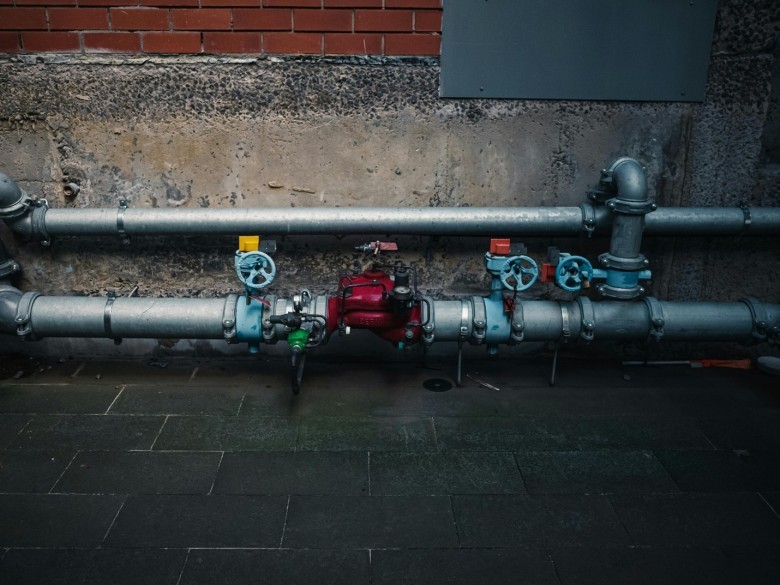
Photo by Pexels
High‑traffic business environments face unique plumbing challenges due to continuous use and higher‑than‑average water demand. Facilities such as restaurants, retail stores, schools, and medical centers must ensure their systems are consistently reliable. Even small disruptions can impede operations and affect customer experience. Understanding how to address these needs helps businesses maintain efficiency and safety.
Supporting Heavy Usage With Durable Fixtures
High‑traffic spaces require fixtures designed to withstand constant use. Commercial‑grade toilets, faucets, and pipes are built for durability and reduced maintenance. Investing in these components ensures long‑term performance and minimizes the frequency of repairs.
Using low‑flow technologies can also conserve water while still meeting high‑demand usage. Durable, efficient fixtures contribute to lower utility costs and improved sustainability.
Preventing Drainage Issues Through Consistent Care
Large volumes of water and waste increase the likelihood of clogs and drainage problems. Regular drain cleaning prevents buildup that can lead to backups or foul odors. Because drainage issues can disrupt business operations quickly, preventive care is essential.
Businesses often rely on professional plumbers in Concord, NC to monitor and maintain drain health. Scheduled maintenance keeps systems functioning smoothly even during peak business hours.
Maintaining Restrooms for Customer and Employee Satisfaction
Restroom reliability is key to maintaining a positive customer experience. Plumbing issues such as leaks, slow drains, or toilet malfunctions can discourage visitors and harm a business’s reputation. Routine inspections ensure that restrooms remain clean, functional, and welcoming.
Businesses should also establish response plans for addressing restroom issues quickly. This prevents small problems from escalating and ensures consistent service quality.
Ensuring Compliance and Safety
High‑traffic facilities must comply with local plumbing codes and health regulations. This includes maintaining adequate water pressure, hot water availability, and sanitary waste systems. Noncompliance can lead to fines, closures, or legal consequences.
Regular assessments help ensure the facility meets all safety requirements. A proactive approach safeguards employees, customers, and business operations.
Conclusion
Addressing plumbing needs in high‑traffic business settings requires durable fixtures, strong maintenance routines, and consistent regulatory compliance. With proper planning and oversight, businesses can avoid disruptions and maintain a safe, reliable environment. Prioritizing plumbing care supports customer satisfaction, operational stability, and long‑term success.

What's your reaction?
You may also like
-

Why Small Roofing Problems Can Become Harder to Diagnose When Homeowners Delay Repairs
-
Planning a Stair Lift for Shared Homes Without Disrupting Everyday Staircase Use
-
Managing Household Waste During Large Decluttering Projects Without Creating New Clutter
-
How to Plan Impact Door Installation Around Security, Access, and Everyday Household Routines
-
How Commercial Roofing Maintenance Planning Helps Property Managers Track Roof Conditions
-
Designing Privacy Around Street-Facing Windows Without Giving Up Useful Natural Daylight












Comments
0 comment