




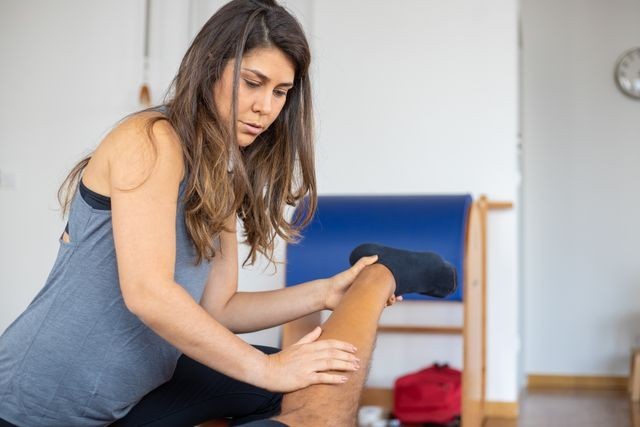
Image from Pexels
Shin splints are one of the most common overuse injuries among runners. Formally known as medial tibial stress syndrome, shin splints cause pain and tenderness along the inner edge of the shinbone, often making it difficult to continue training comfortably. While the condition can be frustrating, most runners recover successfully with proper treatment and a gradual return to activity. Understanding how to manage shin splints early can help prevent more serious injuries and keep you on track with your running goals.
Understand What Causes Shin Splints
Shin splints develop when repeated stress causes irritation and inflammation of the muscles, tendons, and connective tissues surrounding the shinbone. This often occurs when runners increase mileage, intensity, or frequency too quickly without allowing their bodies time to adapt. Running on hard surfaces such as concrete, wearing worn-out shoes, or changing training routines abruptly can also contribute to the condition.
Certain physical factors may increase your risk as well. Tight calf muscles, weak hips and glutes, flat feet, high arches, and excessive inward foot rolling, known as overpronation, can place additional stress on the lower legs. Identifying these contributing factors is an important step toward recovery and injury prevention.
Rest and Use Ice to Control Early Symptoms
When shin splint pain first appears, reducing the activity that causes discomfort is essential. This does not always mean complete inactivity, but it does mean taking a break from high-impact running until symptoms improve. Continuing to run through significant pain can worsen the condition and prolong recovery.
Applying ice to the affected area for 15 to 20 minutes several times per day can help reduce inflammation and ease discomfort. Wrap an ice pack in a towel before placing it against your skin to avoid irritation. Many runners find that icing after activity and before bed helps manage symptoms during the early stages of recovery.
Low-impact activities such as swimming, cycling, or using an elliptical machine can help maintain fitness while reducing stress on the lower legs.
Incorporate Strengthening and Stretching Exercises
Once pain begins to subside, strengthening and mobility exercises become important tools for recovery. Tight calf muscles are a common contributor to shin splints, making calf stretches a valuable addition to your routine. Standing calf stretches performed daily can improve flexibility and reduce tension on the lower leg.
Strengthening the muscles along the front of the shin can also help. One simple exercise involves sitting in a chair and lifting your toes upward while keeping your heels on the floor, then lowering them slowly.
Hip and glute strength play a major role in running mechanics as well. Exercises such as clamshells, glute bridges, side planks, and lateral band walks help improve stability and reduce unnecessary stress on the lower legs during running.
For runners who continue to experience symptoms despite home exercises, comprehensive physical therapy for shin splints can help address underlying movement patterns, muscle imbalances, and training errors while providing a structured recovery plan.
Return to Running Gradually
A gradual return to running is one of the most important parts of recovery. Many runners feel better after a short break and immediately resume their normal mileage, only to find symptoms returning quickly.
Start with brisk walking and pain-free daily activities before progressing to short jogging intervals. A run-walk approach often works well, alternating brief periods of running with walking recovery. Increase your running volume slowly, generally by no more than ten percent per week, while monitoring symptoms closely.
Choose softer running surfaces, such as grass, dirt trails, or tracks, whenever possible during your return. Allow rest days between runs so your body can continue rebuilding strength and resilience.
If pain becomes sharp or worsens during activity, stop and allow additional recovery time before attempting to run again.
Evaluate Your Running Shoes
Proper footwear plays a significant role in both prevention and recovery. Running shoes lose their shock-absorbing capabilities over time, even if they still look serviceable on the outside. Most running shoes should be replaced every 300 to 500 miles, depending on your weight, running style, and terrain.
Consider visiting a specialty running store for a gait assessment. Staff can recommend shoes appropriate for your foot type and running mechanics. Runners who overpronate may benefit from stability shoes, while those with neutral mechanics may do better in neutral-cushioned models.
In some cases, custom or over-the-counter orthotics may help address biomechanical issues that contribute to shin splints.
Prevent Future Shin Splints
Preventing recurrence requires consistency and patience. Incorporate strength training into your weekly routine, maintain calf and ankle flexibility, and avoid dramatic increases in training volume. Warm up properly before runs and cool down afterward with mobility exercises and stretching.
Pay attention to early warning signs. Mild shin soreness often signals that your body needs additional recovery rather than more training. Addressing symptoms early can prevent a minor issue from becoming a significant setback.
Conclusion
Shin splints are a common but manageable running injury. By reducing aggravating activities, using ice, strengthening key muscle groups, improving flexibility, wearing appropriate footwear, and progressing back to running gradually, most runners recover successfully and return to training stronger than before. Recovery may require patience, but taking the time to heal properly now can help you avoid chronic pain and continue enjoying running for years to come.

What's your reaction?
You may also like
-

The High-Low Cleaning Sequence: Follow the Direction Dust Travels
-
The Guest Bathroom Trap: Why a Low-Use Room Still Needs a Routine
-
Why Bathrooms Need Separate Wet and Dry Cleaning Zones
-
7 Life-Saving Tips for Emergency Orthopedic Care Near Me
-
7 Strategies for Increasing Visibility Within Competitive Industries
-
How Does Ageing Affect the Upper and Lower Eyelids?














Comments
0 comment