




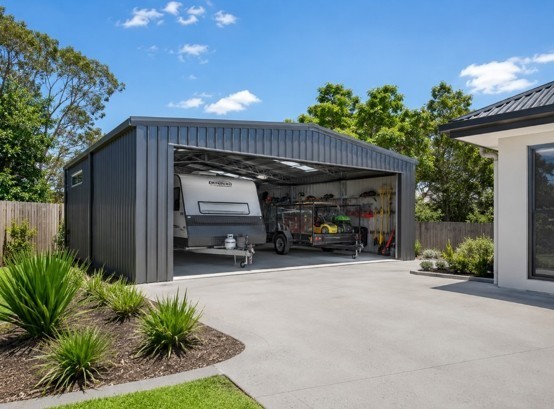
Adding a shed to your property is a practical way to create extra storage, establish a workshop, or keep outdoor equipment organised. However, selecting the right design is only part of the decision. Choosing the ideal location is equally important, as it affects accessibility, durability, functionality, and even future property improvements.
Before deciding where to position your shed, take the time to assess your outdoor space carefully. Factors such as land slope, drainage, sunlight, accessibility, and local regulations all play a role in determining the most suitable spot. A well-planned location can improve convenience while helping your shed remain in excellent condition for many years.
Rather than simply placing the shed wherever there is spare room, think about how you intend to use it. Whether it will store gardening tools, house bicycles, protect outdoor furniture, or serve as a hobby space, its placement should support those daily activities. Planning ahead also reduces the likelihood of expensive adjustments later.
A Residential Shed should be positioned where it complements your property without creating obstacles or maintenance issues. The right location makes it easier to access your belongings, protects the structure from unnecessary wear, and ensures the surrounding outdoor area remains practical and visually appealing.
Factors to Consider Before Choosing a Shed Location
Evaluate the Ground Conditions
One of the first things to inspect is the condition of the ground. A stable, level surface provides the best foundation for a shed and helps prevent structural problems over time.
Avoid placing a shed on uneven or soft ground where movement may occur. If your block has a noticeable slope, levelling the site before installation can improve stability and reduce stress on the structure.
Ground preparation also contributes to better drainage and helps maintain the integrity of the foundation during heavy rainfall.
Consider Drainage and Water Flow
Water is one of the biggest threats to outdoor structures. During periods of heavy rain, poor drainage can cause water to pool around the base of a shed, leading to moisture problems and potential damage.
Observe how water naturally moves across your yard after rainfall. Choose a location that remains relatively dry and avoids low-lying areas where water tends to collect.
Good drainage not only protects the shed but also keeps stored items safer from damp conditions.
Think About Accessibility
Convenience should always influence the final location. Consider how often you will use the shed and which paths you normally take around your property.
If you regularly store lawn equipment, gardening tools, or sporting gear, placing the shed close to those activity areas can save time and effort. Easy access becomes especially valuable during poor weather or when carrying heavy items.
Ensure there is enough room around the shed for doors to open fully and for comfortable movement.
Allow Enough Clearance
Leaving sufficient space around your shed simplifies maintenance and improves ventilation.
Adequate clearance allows you to inspect walls, clean gutters if required, trim nearby vegetation, and carry out general upkeep without difficulty. It also reduces the chance of moisture becoming trapped against the structure.
Planning for future maintenance now can prevent unnecessary challenges later.
Consider Sunlight and Shade
The amount of sunlight your shed receives throughout the day can influence both comfort and longevity.
Morning sun can help dry overnight moisture, while excessive afternoon heat may increase internal temperatures during summer. Depending on how you intend to use the shed, a balance of sun and shade may provide the most comfortable environment.
Nearby trees can offer shade, but remember that falling branches and leaves may require additional maintenance.
Protect Against Strong Winds
Australia experiences varying weather conditions, including strong seasonal winds in many regions.
Where possible, position the shed in a naturally sheltered location without placing it directly beneath large trees that could become hazardous during storms.
Understanding prevailing wind directions on your property can also help determine the safest orientation for doors and entrances.
Check Property Boundaries
Before selecting a final location, identify your property boundaries accurately. Positioning a shed too close to neighbouring land may create complications if future fencing or landscaping projects occur.
Maintaining suitable setbacks also provides better access for maintenance and contributes to a more organised outdoor layout.
If your property has easements or utility access areas, these should remain unobstructed.
Plan Around Future Landscaping
Your backyard may evolve over time. You might later decide to install gardens, entertainment areas, vegetable beds, or additional outdoor features.
Choosing a shed location that allows flexibility for future improvements can save both money and effort. Try to visualise how your outdoor space may change over the coming years before committing to a permanent position.
Long-term planning often results in a more balanced and functional property layout.
Consider Visibility
While practicality is essential, appearance also matters.
A well-positioned shed should blend naturally with the surrounding landscape rather than dominate the backyard. Think about how it will look from your house, outdoor entertaining area, and neighbouring properties.
Strategic placement can improve the overall visual appeal of your outdoor space while maintaining functionality.
Understand Local Requirements
Different councils across Australia may have specific rules relating to shed placement, size, setbacks, and approvals.
Before making any permanent decisions, it's worthwhile checking the relevant requirements for your local area. Understanding these guidelines early helps avoid delays, unnecessary alterations, or compliance issues.
Being informed before construction begins creates a smoother planning process.
Final Thoughts
Choosing the best location for a residential shed involves much more than finding an empty corner of the backyard. Ground stability, drainage, accessibility, sunlight, wind exposure, property boundaries, and future landscaping all contribute to making the right decision.
By carefully assessing your property and planning ahead, you can create a practical outdoor space that remains functional for years to come. A thoughtfully positioned shed not only improves everyday convenience but also enhances the overall usability and appearance of your home.

What's your reaction?
You may also like
-

Why Small Roofing Problems Can Become Harder to Diagnose When Homeowners Delay Repairs
-
Planning a Stair Lift for Shared Homes Without Disrupting Everyday Staircase Use
-
Managing Household Waste During Large Decluttering Projects Without Creating New Clutter
-
How to Plan Impact Door Installation Around Security, Access, and Everyday Household Routines
-
How Commercial Roofing Maintenance Planning Helps Property Managers Track Roof Conditions
-
Designing Privacy Around Street-Facing Windows Without Giving Up Useful Natural Daylight












Comments
0 comment