




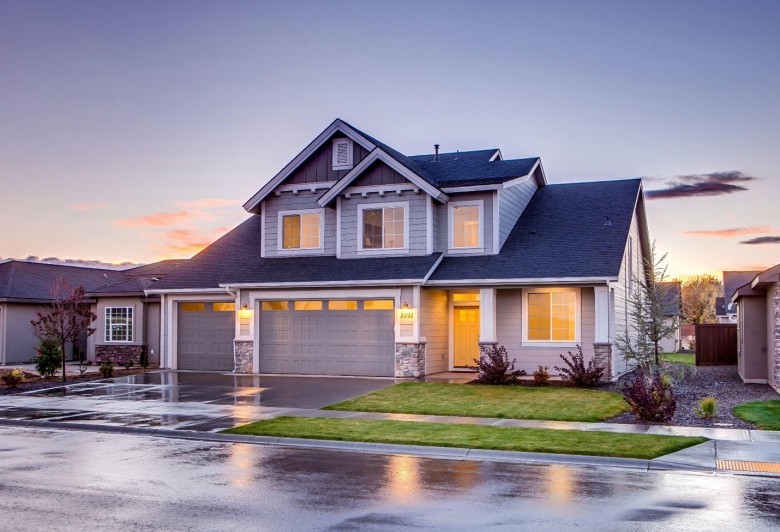
Photo by Pexels
A garage door is one of the most frequently used and often overlooked components of a home. It serves as both a functional entry point and a key element of curb appeal, while also playing a role in security and energy efficiency. Over time, however, wear and tear can compromise its performance and safety. Recognizing when it’s time to replace your garage door is essential for maintaining a reliable and secure home environment. By understanding the warning signs, homeowners can make informed decisions before minor issues escalate into costly or dangerous problems.
Frequent Breakdowns and Costly Repairs
One of the clearest indicators that a garage door may need to be replaced is the frequency of repairs. While occasional maintenance is expected, repeated breakdowns often signal that the system is nearing the end of its lifespan. Components such as springs, cables, rollers, and openers can wear out over time, but when multiple parts begin failing in close succession, ongoing repairs can quickly add up.
Instead of continually investing in temporary fixes, replacing the entire door system may be a more practical and cost-effective solution. A new installation provides dependable performance and eliminates the uncertainty of recurring mechanical issues.
Excessive Noise During Operation
Garage doors are not completely silent, but excessive noise is a sign that something may be wrong. Grinding, squeaking, rattling, or banging sounds can indicate worn hardware, misaligned tracks, or structural damage. While lubrication and minor adjustments can sometimes reduce noise, persistent or worsening sounds often suggest deeper problems.
A modern garage door is designed for smoother, quieter operation. If noise levels have noticeably increased and do not improve with maintenance, it may be time to consider an upgrade. A quieter system enhances both comfort and functionality, especially for homes with attached garages.
Visible Damage and Structural Wear
Physical damage is another important factor to consider. Cracks, dents, rust, or warping can weaken the structural integrity of the door and affect its overall performance. In addition to compromising functionality, visible wear can diminish the appearance of the home.
Weather exposure, accidental impact, and age all contribute to deterioration over time. In areas with fluctuating temperatures or strong winds, these issues can worsen quickly. Homeowners evaluating whether to invest in a new garage door in El Paso or similar environments should pay close attention to how climate conditions impact the durability of their existing door.
Replacing a damaged door not only restores functionality but also significantly improves curb appeal, which can be particularly valuable for those considering selling their home.
Decreased Energy Efficiency and Insulation
Garage doors play a role in regulating indoor temperatures, particularly for homes with attached garages. Older doors or those without proper insulation can allow heat or cold air to penetrate, increasing energy consumption and utility costs.
If you notice that your garage or adjacent living spaces are significantly affected by outdoor temperatures, your garage door may be contributing to the problem. Modern doors are designed with improved insulation materials that help maintain a more stable indoor environment.
Upgrading to an energy-efficient door can lead to better temperature control and reduced strain on heating and cooling systems, making it a worthwhile investment for long-term savings.
Safety and Security Concerns
Safety should always be a top priority when evaluating the condition of a garage door. Older systems may lack modern safety features, such as auto-reverse mechanisms or motion sensors, which help prevent accidents. Faulty doors can pose risks to both people and property, especially if they close unpredictably or fail to respond to controls.
Security is another key consideration. An outdated or damaged garage door may be easier to break into, putting your home at risk. Advances in technology have introduced stronger materials, improved locking systems, and smart features that enhance overall protection.
If your garage door no longer meets current safety or security standards, replacing it provides peace of mind and better protection for your household.
Conclusion
A garage door is an essential part of your home’s structure, and its condition directly impacts safety, efficiency, and convenience. Signs such as frequent repairs, excessive noise, visible damage, poor insulation, and outdated safety features should not be ignored. Recognizing these warning signals early allows homeowners to take proactive steps before issues become more serious. Investing in a replacement when necessary ensures reliable performance, improved security, and enhanced overall value for your home.

What's your reaction?
You may also like
-

Why Small Roofing Problems Can Become Harder to Diagnose When Homeowners Delay Repairs
-
Planning a Stair Lift for Shared Homes Without Disrupting Everyday Staircase Use
-
Managing Household Waste During Large Decluttering Projects Without Creating New Clutter
-
How to Plan Impact Door Installation Around Security, Access, and Everyday Household Routines
-
How Commercial Roofing Maintenance Planning Helps Property Managers Track Roof Conditions
-
Designing Privacy Around Street-Facing Windows Without Giving Up Useful Natural Daylight












Comments
0 comment