




In the professional publishing world, the "shelf appeal" of a document is often just as critical as the information contained within its pages. While there are numerous ways to secure a stack of papers, perfect binding remains the undisputed gold standard for creating a sleek, professional, and bookstore-quality finish. It is the process that transforms a collection of loose sheets into a cohesive, durable, and authoritative book. Whether it is used for a high-end corporate annual report, a self-published novel, or a luxury product catalog, this method provides a level of sophistication that other binding styles simply cannot match.
What is Perfect Binding? Understanding the Process
At its core, perfect binding is a form of thermal adhesive binding. The process involves gathering the internal pages of a book (the "text block"), grinding the spine edge to create a rough surface, and then applying a high-strength glue. A single, continuous cardstock cover is then wrapped around the spine and glued to the pages. Once the glue sets, the three open edges of the book are trimmed with an industrial guillotine to ensure perfectly flush edges—hence the name "perfect" binding.
The result is a clean, square spine that allows the book to stand upright on a shelf. This spine is not just a structural element; it is also a valuable piece of marketing real estate where the title, author, or company name can be printed for easy identification.
The Technical Edge: Why Perfect Binding Outperforms
When deciding on a finishing method for a high-stakes project, it is essential to understand why perfect binding is often the preferred choice for professionals:
1. Superior Aesthetics and Branding
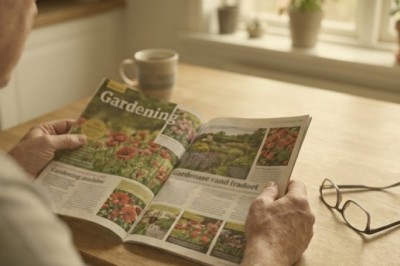
Unlike spiral or wire binding, which can feel utilitarian or "office-like," this method creates a seamless look. The wrap-around cover allows for uninterrupted artwork from the front to the back, including the spine. This creates a "premium" feel that increases the perceived value of the document in the eyes of the reader.
2. Durability and Modern Adhesives
In years past, some adhesives used in bookbinding were prone to cracking in cold weather or losing their grip over time. However, modern professional binders now utilize PUR (Polyurethane Reactive) glue. PUR is the strongest binding adhesive available; it is highly flexible, resistant to extreme temperatures, and can bond to a wide variety of paper stocks, including heavy coatings and synthetics.
3. Versatility in Page Counts
This method is incredibly versatile. While it requires a minimum thickness (usually around 40 to 50 pages) to create a viable spine, it can accommodate books up to several inches thick. This makes it the ideal solution for everything from thin quarterly magazines to thick, comprehensive technical manuals.
The Importance of Localized Production
While the digital design of a book can happen anywhere, the physical assembly requires specialized machinery and an expert eye for detail. The tension of the glue, the temperature of the bind, and the precision of the final trim are all variables that require human oversight.
For businesses and authors who cannot afford errors in their final print run, utilizing professional perfect binding in Melbourne offers a significant advantage. Local production allows for the creation of physical "mock-ups" or samples, ensuring that the cover weight and internal paper stock work harmoniously before the full production run commences. Furthermore, a local partner understands the specific quality standards required for the Australian market and can provide a level of accountability that international, automated services often lack.
Design Considerations for a Flawless Result
To get the most out of your investment in perfect binding, there are several design-specific "pre-press" rules that must be followed:
- The Gutter Margin: Because the pages are glued into the spine, a small portion of the internal edge of each page (the "gutter") will be lost in the bind. Designers must ensure that text and critical images are not placed too close to the inner margin, or they will be difficult to see once the book is bound.
- Spine Width Calculation: The width of the spine is a variable that changes based on the number of pages and the "micron" thickness of the chosen paper. A professional printer must provide a precise spine measurement before the cover art is finalized to ensure the title is perfectly centered.
- Score Lines: To prevent the cover from cracking when opened, professional binders will "score" the cover. This creates a hinge that allows the book to open more easily without putting undue stress on the glued spine.
Why Quality Matters for High-Stakes Documents
In a corporate environment, the quality of your printed materials is a direct reflection of your brand's attention to detail. A poorly bound report with pages falling out or a crooked spine can undermine even the most brilliant content. By opting for high-quality perfect binding in Melbourne, you are sending a message of stability and professionalism.
This is particularly true for "tender documents" or "pitch books." When a client holds a perfectly bound volume, they feel the "heft" and the quality, which subconsciously builds trust in the organization that produced it. It moves the document from being a "temporary handout" to a "permanent resource."
Environmental Sustainability in Binding
The modern printing industry has made significant strides in sustainability. Many professional binders now offer FSC-certified papers and use adhesives that are compatible with recycling processes. Because perfect binding results in a durable product that is likely to be kept on a shelf rather than thrown away, it is inherently more sustainable than "disposable" marketing materials. When your project is finished, the clean trim ensures a professional look while the robust construction ensures the book remains in circulation for years.
Conclusion: Making the Right Impression
The choice of binding is the final, and perhaps most important, decision in the document production process. It is the bridge between a digital file and a physical product that people can hold, read, and admire. Perfect binding offers a unique combination of aesthetic beauty, structural integrity, and professional branding that no other method can replicate.
By focusing on high-quality materials, following precise design guidelines, and partnering with a local specialist who understands the craft, you can ensure that your next project is not just a document, but a professional statement. Whether you are launching a new product, publishing your first book, or presenting an annual report, this method ensures your work is presented in its best possible light—secure, stylish, and truly "perfect."

What's your reaction?
You may also like
-

Why Small Roofing Problems Can Become Harder to Diagnose When Homeowners Delay Repairs
-
Planning a Stair Lift for Shared Homes Without Disrupting Everyday Staircase Use
-
Managing Household Waste During Large Decluttering Projects Without Creating New Clutter
-
How to Plan Impact Door Installation Around Security, Access, and Everyday Household Routines
-
How Commercial Roofing Maintenance Planning Helps Property Managers Track Roof Conditions
-
Designing Privacy Around Street-Facing Windows Without Giving Up Useful Natural Daylight










Comments
0 comment