




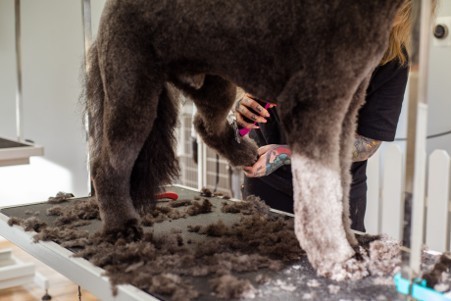
Image Source: Pexels
The pet care industry has experienced remarkable growth in recent years, driven by increasing pet ownership and a greater focus on pet health and wellness. As consumers continue to spend more on professional pet services, many entrepreneurs are exploring opportunities within the grooming sector. One option that attracts significant interest is purchasing a franchise rather than starting an independent grooming business.
Owning a dog grooming franchise can provide access to an established business model and support system, but it also comes with certain limitations and costs. Understanding both the advantages and disadvantages can help prospective business owners determine whether this investment aligns with their goals.
The Benefits of Brand Recognition
One of the most significant advantages of owning a franchise is the ability to operate under a recognized brand name. Building trust with customers can take years for an independent business, while franchise owners often benefit from an existing reputation.
Customers are frequently more comfortable choosing a familiar brand because they associate it with consistent service and professionalism. This initial trust can help franchise owners attract clients more quickly than they might with a newly launched independent business.
Brand recognition can also support marketing efforts, making it easier to establish a presence within the local community and compete with other grooming providers.
Access to Proven Business Systems
Starting a business from scratch requires entrepreneurs to develop processes for scheduling, customer service, inventory management, marketing, and employee training. This trial-and-error approach can be both time-consuming and expensive.
A dog grooming franchise typically provides a proven operational framework that has been refined through years of experience. Franchisees receive guidance on daily operations, customer management, pricing strategies, and service delivery.
This structured approach reduces uncertainty and allows owners to focus more on growing the business rather than creating systems from the ground up.
Training and Ongoing Support
Many franchise systems provide comprehensive training programs that help new owners develop the skills needed to run their businesses successfully. This can be especially valuable for individuals who have strong business ambitions but limited experience in the pet care industry.
Franchisors often offer continued support through operational assistance, marketing guidance, technology resources, and business coaching. When challenges arise, franchisees can rely on experienced professionals who understand the industry and the franchise model.
This support network can improve confidence and help business owners navigate obstacles more effectively.
Easier Marketing and Customer Acquisition
Marketing is one of the most challenging aspects of operating any small business. Independent owners must create advertising strategies, build brand awareness, and generate customer trust on their own.
Franchise businesses frequently benefit from professionally developed marketing materials, brand guidelines, and advertising campaigns. Some franchise systems also conduct regional or national marketing initiatives that increase visibility for all locations.
These resources can reduce marketing costs and help franchisees attract new customers more efficiently than an independent startup might.
Higher Startup and Ongoing Costs
While franchises offer many benefits, they often require a larger financial investment. Franchisees typically pay an initial franchise fee to join the system, along with costs related to equipment, facility setup, licensing, and inventory.
In addition, many franchise agreements require ongoing royalty payments based on revenue. Some also include marketing fees or technology charges.
These expenses can reduce profit margins compared to an independent business. Prospective owners should carefully evaluate the total financial commitment before making an investment decision.
Less Operational Flexibility
One potential drawback of franchise ownership is the limited freedom to make independent business decisions. Franchise systems generally require owners to follow established procedures and brand standards.
This may include specific requirements regarding services offered, pricing structures, store appearance, marketing materials, and approved suppliers. While these standards help maintain consistency across locations, they can restrict creativity and innovation.
Entrepreneurs who prefer complete control over their businesses may find these limitations frustrating.
Dependence on the Franchise Brand
A franchise location's reputation is often closely tied to the reputation of the overall brand. If the franchisor experiences negative publicity or operational issues, individual franchisees may be affected even if their own locations maintain high standards.
Similarly, franchisees depend on the franchisor's continued commitment to innovation, training, and support. Choosing a reputable franchise with a strong track record is therefore an important part of the decision-making process.
Researching the franchisor's history, financial stability, and franchisee satisfaction can help minimize potential risks.
Conclusion
Owning a dog grooming franchise offers several attractive benefits, including brand recognition, proven business systems, ongoing support, and marketing assistance. These advantages can help entrepreneurs enter the growing pet care industry with greater confidence and a clearer path to success.
However, franchise ownership also involves higher costs, ongoing fees, and reduced operational flexibility. Before investing, prospective owners should carefully weigh both the advantages and disadvantages to determine whether the franchise model aligns with their financial goals, management style, and long-term vision for business ownership.

What's your reaction?
You may also like
-

Why Small Roofing Problems Can Become Harder to Diagnose When Homeowners Delay Repairs
-
Planning a Stair Lift for Shared Homes Without Disrupting Everyday Staircase Use
-
Managing Household Waste During Large Decluttering Projects Without Creating New Clutter
-
How to Plan Impact Door Installation Around Security, Access, and Everyday Household Routines
-
How Commercial Roofing Maintenance Planning Helps Property Managers Track Roof Conditions
-
Designing Privacy Around Street-Facing Windows Without Giving Up Useful Natural Daylight












Comments
0 comment