




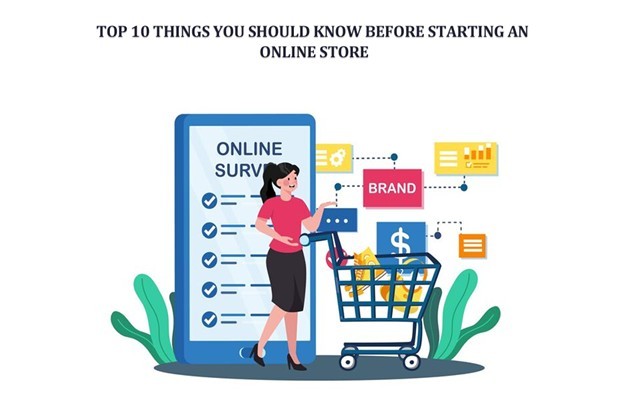
Have you ever wondered why some online stores explode with sales while others quietly disappear after a few months? It happens a lot.
Someone gets excited. Pick a product. Builds a website over the weekend. Uploads a few photos. Then waits for money to start rolling in. But nothing happens.
No orders. Barely any traffic. Maybe one random visitor adds a product to the cart and disappears forever.
Starting an online store sounds easy from the outside. Honestly, social media makes it look effortless. But once you actually start, you realize there’s much more behind it. Strategy matters. Timing matters. Even small details matter.
People don’t just buy products anymore. They buy experience. Trust. Simplicity.
Before you launch your online store, there are certain things you really should understand first. Some lessons are exciting. Others feel uncomfortable. But they can save you from expensive mistakes later. Let’s get into it.
1. Your Product Matters More Than Your Excitement
Excitement is good. But it doesn’t guarantee sales. A lot of beginners choose products emotionally instead of logically. They sell things they personally like without checking if actual customers want them. That approach usually fails. Before selecting products, ask yourself:
• Is there demand for this product
• Who is already selling it
• What problem does it solve
• Can you improve it somehow
One guy tried selling expensive water bottles online because he thought the designs looked cool. The problem was that thousands of similar bottles already existed everywhere. Customers had no reason to choose his store. Unique products help. Useful products help even more.
2. You Need To Understand Your Audience
This part gets ignored a lot. You cannot market successfully if you don’t understand who your customer really is. Think deeper.
What age group are they
What kind of lifestyle do they have
How much money are they comfortable spending
What social media apps do they use daily
A skincare brand targeting teenagers will sound completely different from a luxury skincare brand targeting working professionals. Different language. Different branding. Different pricing. The best online stores almost feel personal. Like they understand exactly what the customer wants, that connection matters.
3. A Bad Website Can Kill Your Business Fast
People judge websites very quickly. Sometimes within seconds. If your store feels slow or confusing, visitors leave immediately. They dont sit there patiently trying to understand your layout. Online shoppers are impatient now. Your website should have:
• Fast loading speed
• Clear product categories
• Mobile-friendly design
• Simple checkout process
• Secure payment options
One business owner spent thousands on advertising but ignored website optimization. Ads brought visitors. Visitors left instantly. The bounce rate was terrible. Eventually, he realized traffic means nothing if the website experience feels frustrating.
That’s why many businesses invest in professional website development and website design agency services before launching their stores properly. First impressions matter online more than people realize.
4. Branding Is More Powerful Than Most Beginners Think
Branding is not just colors and logos. It’s the feeling customers get when they interact with your business. Some online stores sell ordinary products but still dominate because their branding feels memorable. Emotional. Consistent. Good branding creates familiarity. Things that shape your brand include:
• Your business name
• Tone of voice
• Packaging style
• Social media personality
• Customer experience
One candle business became popular simply because every order included a handwritten note. Small detail. Huge emotional impact. Customers constantly shared photos online. That’s free marketing happening naturally.
5. Cheap Quality Products Create Big Problems
Trying to maximize profit by selling poor-quality products is risky. Very risky. At first, low-cost suppliers may look attractive. Bigger margins. Lower investment. Sounds smart. Then customer complaints begin. Bad reviews spread quickly online. Faster than positive ones, honestly. Before selling anything:
• Test the products yourself
• Check supplier reliability
• Order sample products first
• Study customer reviews carefully
One online fitness store lost hundreds of customers because resistance bands kept breaking during workouts. Trust disappeared almost overnight. In eCommerce, reputation is fragile.
6. SEO Takes Time, But It Works
Many beginners depend completely on paid ads. That becomes expensive fast. SEO helps bring organic traffic through search engines. And that traffic usually converts better because customers are already searching for solutions.
For example, if someone searches “best office chairs for back pain” and your website appears, there’s already buying intent there. Basic SEO includes:
• Optimized product titles
• Helpful blog content
• Fast website speed
• Keyword-focused descriptions
• Mobile optimization
SEO is slow at first. Sometimes frustratingly slow. But long-term, it becomes one of the strongest traffic sources for online stores. Patience is important here.
7. Social Media Is Helpful But Unpredictable
A lot of people believe social media alone can build a business overnight. Sometimes it happens. Most times it doesn't. Algorithms change constantly. One week, your posts perform amazingly. Next week, engagement suddenly drops for no reason. That’s why relying only on social media is dangerous. Smart businesses combine multiple marketing methods:
• Email marketing
• SEO
• Paid advertising
• Influencer collaborations
• Content marketing
Email marketing is especially underestimated. A good email list gives direct access to your customers without depending on algorithms or platform changes. That stability matters a lot.
8. Customer Experience Decides Repeat Sales
Getting one sale feels exciting. But repeat customers build real businesses. People remember how your business makes them feel. Not just what you sell. Important things customers notice:
• Delivery speed
• Packaging quality
• Customer support
• Easy return process
• Communication updates
One online jewelry store became popular because it replied to customer questions extremely fast. Even simple responses created trust. Customers felt valued. That emotional connection often turns buyers into loyal customers. Small experiences shape brand reputation more than expensive ads sometimes.
9. Shipping Can Become a Nightmare If You Ignore It
Shipping sounds simple until problems start happening. Delayed orders. Damaged packaging. Unexpected delivery charges. Wrong addresses. All these issues affect customer trust immediately. Before launching your store, plan shipping carefully. Think about:
• Delivery times
• Shipping costs
• Return policies
• Packaging quality
• International shipping rules
One accessories brand kept losing customers because delivery updates were unclear. People became frustrated waiting for packages without communication. Transparency matters. Customers are usually patient when businesses communicate honestly.
10. Success Rarely Happens Quickly
This might be the hardest lesson. Most online stores dont become profitable instantly. People quit too early because they expect immediate success. They launch a store. Run ads for two weeks. Then panic because results feel slow. Building a successful online business takes consistency.
Testing matters.
Learning matters.
Failure happens, too.
One entrepreneur spent nearly a year improving his online store before sales finally became stable. During that time, he changed products, redesigned pages, improved customer service, and adjusted marketing strategies constantly. Most people would have quit much earlier. That’s why patience becomes a competitive advantage in eCommerce.
Conclusion
Starting an online store can absolutely change your life. The opportunity is real. But success usually belongs to people who prepare properly instead of rushing unthinkingly into the market. Every part of your business matters. Your branding. Product quality. Website experience. Customer support. Marketing strategy. All of it connects.

What's your reaction?
You may also like
-

Why Small Roofing Problems Can Become Harder to Diagnose When Homeowners Delay Repairs
-
Planning a Stair Lift for Shared Homes Without Disrupting Everyday Staircase Use
-
Managing Household Waste During Large Decluttering Projects Without Creating New Clutter
-
How to Plan Impact Door Installation Around Security, Access, and Everyday Household Routines
-
How Commercial Roofing Maintenance Planning Helps Property Managers Track Roof Conditions
-
Designing Privacy Around Street-Facing Windows Without Giving Up Useful Natural Daylight











Comments
0 comment