




High-demand homes—from large families to tech-heavy households—quickly discover that generator cost goes far beyond the initial purchase. The true expenses surface when multiple appliances run at once, when peak loads spike, or when long runtime becomes essential. These homes often use more electricity than standard households, creating unique financial pressures on generator performance, fuel usage, and maintenance. Understanding these forces helps homeowners choose systems that control both short-term and long-term spending. Solar power solutions such as the Anker SOLIX C2000 Gen 2 with a 400W solar panel shift many of these costs downward by reducing fuel dependence, adding flexibility, and supporting higher usage patterns without mechanical strain. For anyone evaluating whole home generator cost, identifying the real cost drivers is the key to choosing the right system.
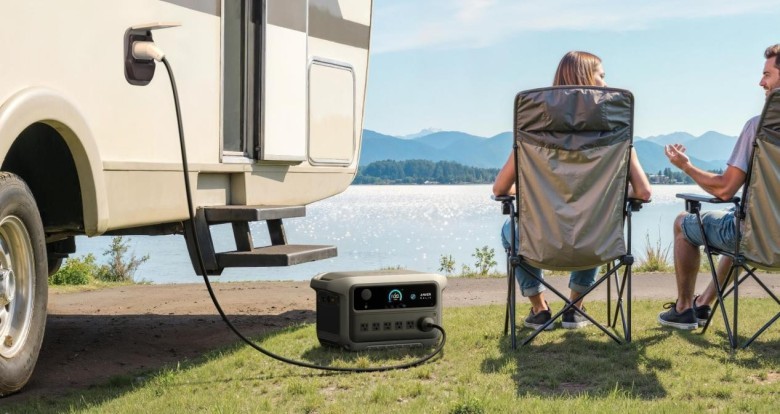
The Load Patterns That Increase Generator Cost
Peak Power Spikes Shape Equipment Requirements
High-demand homes rarely maintain steady usage. Instead, several large appliances may start at the same time—HVAC compressors, refrigerators, induction cooktops, washing machines, and home office equipment. These power spikes often exceed expectations, leading homeowners to oversize their generators. Larger fuel generators cost more upfront and are more expensive to operate. Solar generators manage this differently. With 2,400W of rated output and up to 4,000W peak power, the C2000 Gen 2 absorbs many household spikes without requiring a much larger system. This flexibility reduces the purchase cost and minimizes the additional spending associated with over-sizing traditional backup systems.
Continuous Loads Drive Operational Expense
Some households run energy-intensive devices for extended periods: deep freezers, aquariums, medical equipment, air purifiers, routers, servers, and climate-control systems. When generators run nonstop during outages, fuel consumption becomes a major expense. Mechanical wear also accelerates with every hour of runtime. Solar generators eliminate these operational costs. The C2000 Gen 2 consumes no fuel, and its extremely low 9W idle consumption means long runtimes cost nothing. Because sunlight is free, the solar panel replenishes energy without adding to the household’s financial burden. For homes calculating whole home generator cost over years of heavy usage, this difference becomes a primary cost driver.
Redundant Devices Increase Total Load
High-demand households often have duplicate power consumers: multiple refrigerators, multiple entertainment systems, or several workstations. Each added device increases generator capacity requirements. Traditional generators respond by requiring higher wattage models, which dramatically increase cost at each tier. A modular solar power station offers a different approach. When the C2000 Gen 2 pairs with a BP2000 expansion battery, capacity increases to support multiple major appliances for far longer periods. Because expansions occur without buying an entirely new generator, the cost curve becomes far more manageable for high-load homes.
The Hidden Cost Drivers That Homeowners Overlook
Fuel Storage and Supply Risks Multiply With Usage
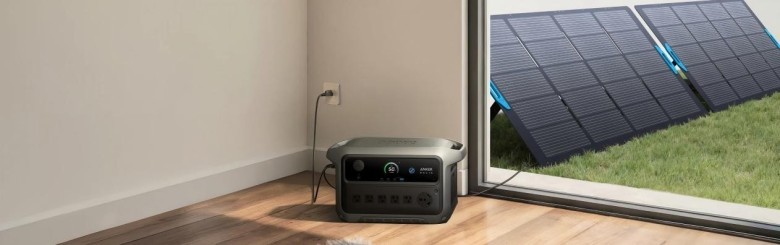
High-demand homes often require generators to run for many hours—or days—during outages. For gas or propane generators, this means fuel storage plays a major role in total cost. Homes must purchase fuel containers, ensure safe storage, rotate old fuel, and often restock during storms when prices spike. Solar generators avoid this entirely. The C2000 Gen 2 recharges from sunlight using the PS400 panel and refuels itself at no cost. Even during cloudy conditions, partial solar intake reduces dependence on external energy sources. Eliminating storage and refueling tasks lowers both financial and logistical burdens.
Frequent Outages Increase Maintenance Spending
High-demand homes may be located in areas with unstable grids or frequent brownouts. Traditional generators react to every outage with engine wear. Oil changes, filter replacements, spark plug checks, and mechanical servicing add up quickly. These hidden costs often exceed what new buyers anticipate. Solar generators bypass nearly all maintenance-related expenses. The C2000 Gen 2 has no engine, no oil system, and no exhaust components. Even heavy use during outage seasons does not increase the cost of ownership. This advantage becomes a dominant factor when evaluating long-term generator spending.
Productivity Loss Carries a Real Price
High-demand households often include remote workers, students, content creators, or tech users with zero tolerance for downtime. Each refueling interruption or overload shutdown costs time, work output, or data stability. These losses indirectly increase generator cost. Solar power avoids shutdown cycles caused by mechanical refueling. With its fast recharge speed—80% in 45 minutes and 100% in 58 minutes via AC—the C2000 Gen 2 minimizes downtime and keeps electronics stable. Because many high-demand homes revolve around uninterrupted connectivity, blackout performance becomes a high-value cost driver.
Conclusion
Generator cost in high-demand homes depends less on the price tag and more on how the household consumes electricity during outages. Peak spikes, continuous loads, redundant appliances, and lifestyle-driven electrical habits all shape the size, type, and long-term expenses associated with backup power. Traditional fuel generators scale costs upward with every additional watt of demand due to higher fuel usage, greater mechanical wear, and increased maintenance frequency. Solar generators, particularly the Anker SOLIX C2000 Gen 2 with its 400W solar panel, reshape the economics by eliminating fuel costs, reducing maintenance, and offering modular expansion. For high-demand households, evaluating these cost drivers is essential to selecting a generator that supports the lifestyle without escalating long-term spending.

What's your reaction?
You may also like
-

Why Small Roofing Problems Can Become Harder to Diagnose When Homeowners Delay Repairs
-
Planning a Stair Lift for Shared Homes Without Disrupting Everyday Staircase Use
-
Managing Household Waste During Large Decluttering Projects Without Creating New Clutter
-
How to Plan Impact Door Installation Around Security, Access, and Everyday Household Routines
-
How Commercial Roofing Maintenance Planning Helps Property Managers Track Roof Conditions
-
Designing Privacy Around Street-Facing Windows Without Giving Up Useful Natural Daylight













Comments
0 comment