




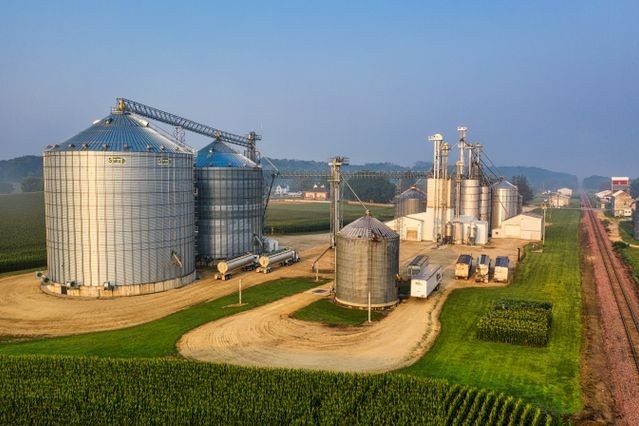
Image from Pexels
A rainwater well tank offers homeowners a practical way to capture and store precipitation for later use. Whether you're looking to reduce your municipal water consumption or prepare for water supply interruptions, understanding the basics of rainwater storage is essential before making an investment. Many people assume all tanks function the same way, but the design, materials, and installation requirements can vary significantly depending on your climate, property size, and intended use. This guide walks you through the critical factors you need to consider when selecting and maintaining your first rainwater well tank.
Understanding Tank Size and Capacity
The capacity of your rainwater well tank determines how much water you can collect during rainfall and store for dry periods. Residential rainwater tanks typically range from 500 gallons to several thousand gallons, depending on your available space and anticipated water needs. To choose an appropriate size, calculate your household's water consumption patterns and research the average annual rainfall in your region. For example, if your household uses 100 gallons of water daily and your region receives minimal rainfall during certain seasons, you may want to invest in a larger tank to ensure consistent supply throughout the year.
Tank size also affects the placement of your system and how much roof area you'll need to collect runoff effectively. A smaller tank fits easily in a basement or crawl space, while larger tanks may require outdoor installation and proper positioning to maximize gravity-fed distribution. Consider both your current water needs and potential future expansion when selecting capacity. An undersized tank can create bottlenecks during peak usage, while an oversized tank may waste money and take up excessive space unnecessarily.
Material Options and Durability
Rainwater tanks are constructed from various materials, each with distinct advantages and limitations. Plastic tanks are lightweight, affordable, and resistant to rust and corrosion, making them ideal for most homeowners starting their first rainwater collection system. Fiberglass tanks offer superior durability and can withstand extreme temperature fluctuations without cracking, though they come at a higher price point. Steel tanks provide strength and longevity but require protective coatings to prevent rust and sediment buildup over time.
The material you select directly impacts maintenance requirements and long-term performance. Plastic tanks can degrade under extended UV exposure, so they perform better when installed in shaded locations or covered with protective wrapping. Concrete tanks are durable and cost-effective but may develop cracks that allow contamination and water loss.
Your climate zone matters significantly when choosing materials. Regions with harsh winters and freeze-thaw cycles may experience problems with plastic tanks, while areas with intense sun exposure might cause polymer degradation. Research local climate conditions and consult with installers who understand your region's environmental challenges.
Installation Location and Site Preparation
Proper placement of your rainwater well tank is crucial for maximizing collection efficiency and ensuring system functionality. Most homeowners position tanks downhill from their roof gutters to facilitate gravity-fed water flow without requiring additional pumping systems. Elevated tank placement on a concrete pad or platform allows water to flow naturally to faucets and distribution points without excessive pressure requirements. Underground installation protects tanks from temperature extremes and UV damage but requires careful site assessment and excavation planning.
Before installation begins, evaluate soil stability, drainage patterns, and accessibility for maintenance activities. Soft or unstable soil may require reinforced foundations to prevent tank settling or shifting over time. Proximity to trees should be considered, as falling leaves and debris can contaminate your water supply if tanks are positioned directly beneath branches. During outdoor installation, homeowners protecting their storage system from debris, animals, and UV exposure often rely on a professionally crafted well tank cover to help preserve water quality and extend the tank's service life. Access to the tank for inspection, cleaning, and repairs is essential, so avoid placing tanks in confined spaces or against structural barriers. Your installer should evaluate water pressure requirements and determine whether you'll need a pump or filtration system based on your site's natural elevation changes and intended water applications.
Filtration and Water Quality Maintenance
Capturing rainwater from your roof introduces potential contaminants including dust, pollen, bird droppings, and debris that must be filtered before use. A first-flush diverter automatically removes the initial stream of water during rainfall, which contains the highest concentration of contaminants collected on roof surfaces. This simple device redirects the first 50 to 100 gallons of rainfall away from your tank, significantly improving overall water quality without requiring active intervention. Most systems then pass remaining water through mesh screens or cartridge filters to remove larger particles before storage.
Ongoing maintenance of your filtration system keeps water clean and usable for extended periods. Check screens and filters monthly during dry seasons and after heavy rainfall events to remove accumulated debris. If your tank will supply water for drinking or cooking, invest in advanced filtration including activated carbon filters and UV sterilization to eliminate microorganisms and chemical contaminants. For non-potable uses such as irrigation or toilet flushing, basic sediment filtration may be sufficient and more cost-effective. Test your water quality at least annually to identify emerging contamination issues before they affect tank performance or water usability.
Maintenance Requirements and System Longevity
Regular maintenance extends your rainwater tank's lifespan and prevents costly repairs from developing over time. Inspect your tank's exterior quarterly for cracks, leaks, or corrosion that might compromise structural integrity. Clean roof gutters and downspouts before and after heavy weather seasons to prevent debris from entering your collection system and clogging screens or filters. Empty sediment that accumulates at the tank's bottom annually, as this buildup reduces storage capacity and can harbor algae or bacterial growth.
Monitor water levels during dry periods to understand your consumption patterns and ensure you're not depleting reserves too quickly. If your tank includes a pump system, test it seasonally to confirm it is functioning properly and that pressure is adequate for your intended applications. Examine inlet and outlet pipes for leaks or mineral buildup that might restrict water flow. Document all maintenance activities and any repairs in a simple log so you can identify patterns and anticipate future service needs. With consistent care, most quality rainwater tanks remain functional and reliable for 15 to 20 years or longer.
Conclusion
Installing your first rainwater well tank represents a meaningful step toward water conservation and self-sufficiency. Success depends on selecting appropriate tank size for your climate and household needs, choosing durable materials suited to your regional environment, and positioning the system where gravity and roof drainage naturally support water collection. Understanding filtration requirements and committing to regular maintenance ensures clean, reliable water storage that serves your property for years to come. Before purchasing and installing a tank, consult with local professionals who understand your area's rainfall patterns, soil conditions, and building codes to make informed decisions that deliver lasting benefits.

















Comments
0 comment