




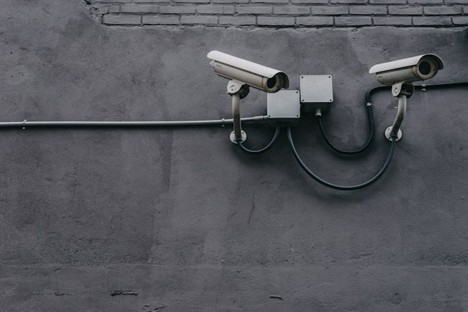
Photo by Scott Webb on Unsplash
Introduction
Commercial security has evolved far beyond traditional locks, alarms, and security guards. Modern businesses face a growing range of threats, including cyberattacks, workplace safety concerns, theft, vandalism, and operational disruptions. At the same time, advancements in technology are giving organizations new ways to identify risks, improve response times, and protect valuable assets.
As businesses adapt to an increasingly complex environment, security leaders are embracing innovative tools and strategies that combine technology, data analytics, and proactive planning. Understanding the latest trends can help organizations strengthen their defenses while improving operational efficiency. Here are seven emerging trends that are transforming commercial security and risk management across industries.
Artificial Intelligence Enhancing Threat Detection
Artificial intelligence (AI) is becoming a powerful force in commercial security. AI-powered systems can analyze massive amounts of data in real time, helping organizations identify unusual activity that might otherwise go unnoticed.
For example, intelligent security platforms can detect suspicious movement patterns, unauthorized access attempts, and other anomalies far more quickly than traditional monitoring methods. By reducing reliance on manual observation, AI helps security teams focus on genuine threats rather than false alarms.
As machine learning technologies continue to improve, businesses can expect even greater accuracy and faster incident response capabilities.
Cloud-Based Security Management Platforms
The shift toward cloud technology is changing how organizations manage security systems. Cloud-based platforms allow businesses to monitor cameras, access control systems, and security data from virtually any location.
Unlike traditional on-site systems, cloud solutions provide greater flexibility, scalability, and centralized management. Security teams can access real-time information, review recorded footage, and manage permissions through a single platform.
This approach simplifies system maintenance while making it easier for organizations to expand security coverage across multiple facilities and locations.
Integrated Physical and Cybersecurity Strategies
The line between physical security and cybersecurity continues to blur. Many modern security devices, including cameras, sensors, and access control systems, are connected to network infrastructure.
As a result, organizations are increasingly adopting integrated security strategies that address both physical and digital risks. Security teams now collaborate closely with IT departments to protect connected devices, secure sensitive data, and prevent unauthorized access.
By viewing security through a unified lens, businesses can create stronger defenses against evolving threats that span both physical and digital environments.
Advanced Video Monitoring Capabilities
Video surveillance technology has become significantly more sophisticated in recent years. Modern systems now offer intelligent analytics, object recognition, real-time alerts, and improved image quality.
Many organizations are investing in remote video surveillance solutions that allow trained personnel to monitor facilities from centralized monitoring centers. This capability improves coverage, supports faster response times, and enhances protection for properties that may not have on-site security staff around the clock.
Advanced monitoring systems also generate valuable data that can help businesses identify recurring security vulnerabilities and improve operational decision-making.
Predictive Risk Analytics
Organizations are increasingly using predictive analytics to anticipate potential risks before incidents occur. By analyzing historical data, environmental factors, operational trends, and security events, predictive tools can identify patterns that suggest elevated risk levels.
For example, businesses can forecast periods of increased theft, assess facility vulnerabilities, and prioritize security resources more effectively. This proactive approach helps organizations move beyond reactive security measures.
The ability to anticipate threats rather than simply respond to them can significantly reduce losses and improve overall business resilience.
Smart Access Control Systems
Traditional keys and basic entry systems are rapidly being replaced by smarter access control technologies. Modern solutions incorporate credentials such as mobile devices, biometric verification, facial recognition, and digital identity management tools.
These systems provide more precise control over who can access specific areas and when. Administrators can update permissions instantly, monitor entry activity, and quickly deactivate credentials if security concerns arise.
Smart access control not only improves protection but also creates greater convenience for employees, contractors, and visitors while reducing administrative burdens.
Greater Focus on Business Continuity and Resilience
Organizations are increasingly recognizing that security is closely tied to business continuity. Effective risk management now extends beyond preventing incidents and includes preparing for unexpected disruptions such as natural disasters, supply chain interruptions, cyberattacks, and workplace emergencies.
Comprehensive resilience planning helps businesses maintain critical operations during challenging circumstances. Many organizations are investing in incident response planning, emergency communication systems, and continuity strategies that support rapid recovery.
This broader perspective ensures that security programs contribute not only to protection but also to long-term operational stability and organizational success.
Conclusion
Commercial security and risk management are undergoing significant transformation as businesses adopt new technologies and proactive strategies. Artificial intelligence, cloud-based management, integrated security approaches, advanced monitoring, predictive analytics, smart access control, and resilience planning are all reshaping the way organizations address modern threats.
Companies that stay ahead of these emerging trends can strengthen asset protection, improve operational efficiency, and respond more effectively to evolving risks. By embracing innovation and maintaining a forward-thinking security strategy, businesses can build safer, more resilient environments that support sustainable growth in an increasingly complex world.

What's your reaction?
You may also like
-

10 Essential Digital X Ray Tips for ER Services Near Me
-
7 Costly Mistakes Homeowners Make When Dealing With Crawl Space Water Issues
-
Seedance 3.0: What's Confirmed, What's Missing, and What to Use Until It Ships
-
HEALTH: 11 Essential Tips for a Healthier Lifestyle
-
MultCloud Giveaway
-
Everything You Need Before Leaving for Vacation














Comments
0 comment