




Introduction
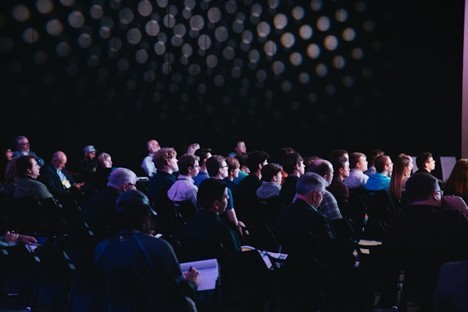
Corporate events have long been a cornerstone of business strategy serving as platforms to network, build brands, engage employees, and share knowledge. However, the scene of corporate events is evolving. Driven by technological breakthroughs shifting workforce expectations, and global challenges, the way organizations plan and execute events is changing. Understanding these trends is essential for businesses that want to stay ahead and deliver impactful experiences.
Hybrid Event Models
The rise of hybrid events—combining in-person and virtual participation—has caused a transformation in the corporate event space. This model allows organizations to reach wider audiences while maintaining the intimacy of face-to-face interactions. Hybrid formats also provide flexibility for attendees who may face travel restrictions or prefer remote participation. Companies are investing in advanced streaming technologies, interactive platforms, and digital networking tools to ensure that both physical and virtual attendees feel engaged.
Personalization Through Data
Personalization is becoming a defining feature of modern corporate events. By leveraging data analytics, event organizers can tailor experiences to individual preferences. From customized agendas to targeted networking opportunities, personalization enhances attendee satisfaction and engagement. Data-driven insights also help companies measure event success more identifying which sessions resonate most and where improvements are needed.
Sustainability and Green Practices
Sustainability is no longer optional—it is a priority. Organizations are adopting eco-friendly practices in event planning such as reducing single-use plastics, sourcing local food, and choosing venues with strong environmental credentials. Virtual and hybrid formats also contribute to sustainability by minimizing travel-related carbon emissions. As businesses strive to align with global sustainability goals, green practices in corporate events are becoming a standard expectation.
Immersive Technology Experiences
Technology reshapes how attendees experience corporate events. Virtual reality (VR) augmented reality (AR), and interactive apps create immersive environments that go beyond traditional presentations. These technologies allow participants to explore products, engage in simulations, or collaborate in virtual spaces. The integration of immersive tech has an influence on engagement and positions of companies as groundbreaking pioneers.
Focus on Wellness and Inclusivity
Corporate events are designed with wellness and inclusivity in mind. Organizers now include mindfulness sessions, healthy food options, and accessible facilities to make sure that all attendees feel comfortable and valued. Inclusivity extends to programming as well, with diverse speakers and content that reflects a wide range of perspectives. This trend shows how essential it is to create events that prioritize human connection and well-being alongside business objectives.
Strategic Use of Smaller Gatherings
While large-scale conferences remain important, there is a growing emphasis on smaller, more intimate gatherings. These events foster deeper connections and allow for more meaningful discussions. Companies recognize that smaller events can be effective in targeting networking, building teams, and providing specialized training. This shift reflects a broader trend toward quality over quantity in corporate engagement.
Integration of Industry Insights
Corporate events serve as platforms for thought leadership and industry analysis. Businesses are using events to share insights, trends, and forecasts that position them as experts in their fields. For instance, many organizers now include segments dedicated to event planning industry news ensuring that attendees stay informed about recent developments. This integration of timely information adds value to events and strengthens their role as knowledge-sharing hubs.
Wrap-Up
The future of corporate events has a shape influenced by hybrid models, personalization, sustainability immersive technologies, wellness smaller gatherings, and industry insights. These trends reflect broader changes in business and society and emphasize flexibility, inclusivity, and new ideas. Organizations that embrace these shifts will not deliver more impactful events but also strengthen their brand and relationships in a changing world. By staying attuned to these developments, businesses can ensure that their corporate events remain relevant, engaging, and effective.

What's your reaction?
You may also like
-

Why Small Roofing Problems Can Become Harder to Diagnose When Homeowners Delay Repairs
-
Planning a Stair Lift for Shared Homes Without Disrupting Everyday Staircase Use
-
Managing Household Waste During Large Decluttering Projects Without Creating New Clutter
-
How to Plan Impact Door Installation Around Security, Access, and Everyday Household Routines
-
How Commercial Roofing Maintenance Planning Helps Property Managers Track Roof Conditions
-
Designing Privacy Around Street-Facing Windows Without Giving Up Useful Natural Daylight










Comments
0 comment