




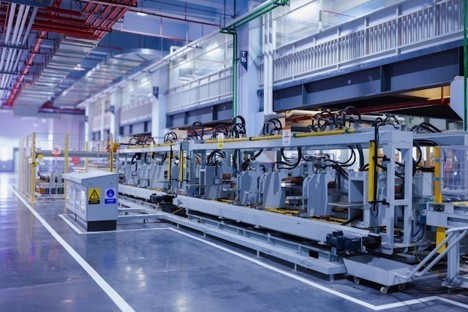
Photo by Homa Appliances on Unsplash
Introduction
Machinery serves as the backbone of countless industries, from manufacturing and construction to energy and transportation. The longevity of these machines has a direct impact on productivity, safety, and profitability. Extending machinery lifespan is not just about reducing costs—it's about ensuring consistent performance and minimizing downtime. Engineers and operators have developed proven techniques that combine preventive care advanced technology, and smart design to keep equipment running longer and more. Below, we explore eight strategies that are recognized for their ability to enhance durability and extend the operational life of machinery.
Predictive Maintenance Programs
Predictive maintenance uses advanced monitoring tools to anticipate problems before they occur. By analyzing vibration, temperature, and performance data, engineers can identify early warning signs of wear or malfunction. This proactive approach reduces unexpected breakdowns and ensures that machinery continues to operate. Predictive maintenance does not extend lifespan but also improves safety and reduces repair costs.
Proper Lubrication Practices
Lubrication is essential to reduce friction and prevent wear in moving parts. Modern lubrication systems deliver precise amounts of oil or grease at regular intervals ensuring consistent protection. Using high-quality lubricants tailored to specific operating conditions further enhances performance. Proper lubrication practices extend the life of bearings, gears, and other critical components.
Precision Mechanical Components
The reliability of machinery often depends on the quality of its mechanical components. Advances in design and manufacturing have produced stronger and more durable parts that resist wear and misalignment. For example, the shaft collar has evolved into a precision-engineered device that secures rotating parts with accuracy and prevents slippage and ensures proper alignment. Such components play an essential role in maintaining stability and extending equipment lifespan.
Condition Monitoring Systems
Condition monitoring involves continuous assessment of machinery health using diagnostic tools such as infrared thermography and ultrasonic testing and acoustic analysis. These systems detect hidden issues like cracks and misalignments or overheating before they escalate into major failures. By integrating condition monitoring into routine operations, industries can extend machinery lifespan while maintaining high safety standards.
Enhanced Material Selection
The choice of materials has a direct influence on durability. Advances in metallurgy, composites, and protective coatings have led to components that resist corrosion, fatigue, and extreme temperatures. Specialized alloys and ceramic coatings are now common in turbines, engines, and heavy-duty equipment. These materials reduce wear and extend service life even in demanding environments.
Automation and Smart Controls
Automation enhances machinery reliability by reducing human error and ensuring precise operation. Smart control systems such as programmable logic controllers (PLCs), regulate machinery in real time adjusting parameters to optimize performance. Automated systems also provide valuable data to predict maintenance further extending lifespan. By minimizing manual intervention, automation improves both safety and productivity.
Vibration Analysis and Balancing
Excessive vibration is a leading cause of mechanical failure. Engineers use vibration analysis tools to detect imbalances, misalignments, and resonance issues. Corrective measures such as dynamic balancing, restore stability, and prevent damage to shafts, bearings, and other components. Addressing vibration problems extends machinery lifespan and reduces maintenance costs.
Redundant System Design
Redundancy is a proven strategy for critical applications where reliability is essential. By incorporating backup systems or duplicate components, engineers create fail-safe mechanisms that maintain functionality even if one part fails. This approach is used in aerospace, power generation, and medical equipment. Redundant design ensures uninterrupted operation and extends the overall lifespan of machinery by reducing the risk of catastrophic failure.
Conclusion
Extending machinery lifespan requires a combination of preventive care advanced technology and smart engineering practices. Predictive maintenance of proper lubrication, precision components, and condition monitoring all play essential roles in keeping equipment reliable. Material breakthroughs, automation, vibration control and redundancy further strengthen durability and performance. By adopting these proven techniques, industries can maximize productivity, reduce downtime, and ensure that machinery continues to deliver value for years to come.

What's your reaction?
You may also like
-

Why Small Roofing Problems Can Become Harder to Diagnose When Homeowners Delay Repairs
-
Planning a Stair Lift for Shared Homes Without Disrupting Everyday Staircase Use
-
Managing Household Waste During Large Decluttering Projects Without Creating New Clutter
-
How to Plan Impact Door Installation Around Security, Access, and Everyday Household Routines
-
How Commercial Roofing Maintenance Planning Helps Property Managers Track Roof Conditions
-
Designing Privacy Around Street-Facing Windows Without Giving Up Useful Natural Daylight











Comments
0 comment