




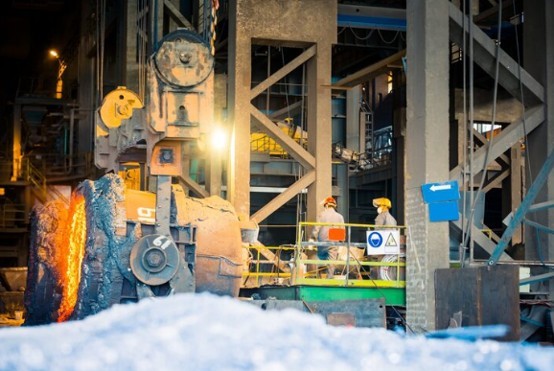
Australia’s mining sector has long been recognised for its contribution to the national economy. As demand for minerals continues to grow and operational challenges become more complex, mining companies are increasingly turning to automation to improve efficiency, safety, and productivity. From autonomous vehicles to intelligent monitoring systems, automation is transforming how mines operate across the country.
Modern mining operations face several pressures, including rising operational costs, workforce shortages, and the need to maintain consistent production levels. To address these challenges, many sites are integrating advanced technologies and australian mining equipment designed to streamline processes and reduce manual intervention. These innovations are helping mines achieve greater output while maintaining high standards of safety and environmental responsibility.
The Role of Automation in Modern Mining
Automation involves using technology to perform tasks with minimal human involvement. In mining, this can range from automated drilling and hauling systems to real-time data analytics and remote operation centres. These technologies work together to create more efficient and predictable mining operations.
As mines become larger and more complex, automation provides a practical solution for managing equipment, monitoring performance, and improving operational decision-making. The result is a more productive workplace capable of adapting to changing market demands.
Increased Operational Efficiency
One of the most significant advantages of automation is its ability to improve operational efficiency. Automated systems can perform repetitive tasks continuously without fatigue, allowing equipment to operate for longer periods and with greater consistency.
For example, automated haulage systems can transport materials around the clock, reducing downtime and increasing overall productivity. Similarly, automated drilling systems can maintain precise drilling patterns, leading to more accurate blasting and improved resource extraction.
By reducing delays and improving workflow consistency, automation helps mining operations maximise production while minimising inefficiencies.
Enhanced Workplace Safety
Mining environments often present challenging and hazardous conditions. Automation helps reduce risks by limiting the need for workers to perform tasks in dangerous areas.
Remote-controlled and autonomous equipment can operate in locations affected by unstable ground conditions, extreme temperatures, or poor air quality. This reduces worker exposure to potential hazards while ensuring essential tasks continue without interruption.
Advanced monitoring systems can also detect equipment issues, environmental changes, or operational risks before they become serious problems. Early identification allows operators to take corrective action quickly, supporting a safer workplace for everyone involved.
Better Data Collection and Decision-Making
Modern automated mining systems generate large volumes of operational data. Sensors installed on machinery and throughout mining sites provide real-time information about equipment performance, production rates, fuel consumption, and maintenance requirements.
This data enables managers to make informed decisions based on accurate and current information. Predictive analytics can identify trends, forecast potential equipment failures, and optimise production schedules.
With greater visibility across operations, mining companies can improve planning, allocate resources more effectively, and minimise costly disruptions.
Reduced Equipment Downtime
Unexpected equipment breakdowns can significantly impact productivity and increase operational costs. Automation helps address this challenge through predictive maintenance technologies.
Sensors continuously monitor machinery performance and identify early signs of wear or malfunction. Maintenance teams can then schedule repairs before major failures occur, reducing unplanned downtime and extending equipment lifespan.
A proactive maintenance approach not only improves productivity but also lowers repair costs and helps maintain consistent production targets.
Improved Resource Management
Automation supports more efficient use of resources throughout the mining process. Intelligent systems can optimise fuel consumption, equipment utilisation, and material handling activities.
Automated technologies also help improve extraction accuracy, reducing waste and ensuring valuable resources are recovered more effectively. This contributes to better operational performance while supporting sustainability objectives.
As environmental expectations continue to evolve, efficient resource management will remain a key priority for Australian mining operations.
Supporting Workforce Productivity
Automation is often viewed as a replacement for manual labour, but in many cases it enhances workforce productivity rather than eliminating jobs. By automating routine or physically demanding tasks, workers can focus on higher-value activities such as planning, analysis, maintenance, and system management.
The increasing use of automation is creating demand for new technical skills and specialised roles within the mining industry. This shift supports workforce development while helping companies remain competitive in a rapidly changing environment.
Looking Ahead
Automation is becoming an essential component of modern mining operations across Australia. By improving efficiency, enhancing safety, reducing downtime, and supporting better decision-making, automated technologies are helping mines achieve higher productivity levels in an increasingly competitive market.
As innovation continues to advance, the adoption of automation is expected to grow further throughout the industry. Mining operations that embrace these technologies will be better positioned to meet future challenges, optimise performance, and maintain sustainable long-term growth. The future of Australian mining will be shaped by intelligent systems that enable safer, smarter, and more productive operations.

What's your reaction?
You may also like
-

Why Small Roofing Problems Can Become Harder to Diagnose When Homeowners Delay Repairs
-
Planning a Stair Lift for Shared Homes Without Disrupting Everyday Staircase Use
-
Managing Household Waste During Large Decluttering Projects Without Creating New Clutter
-
How to Plan Impact Door Installation Around Security, Access, and Everyday Household Routines
-
How Commercial Roofing Maintenance Planning Helps Property Managers Track Roof Conditions
-
Designing Privacy Around Street-Facing Windows Without Giving Up Useful Natural Daylight












Comments
0 comment