




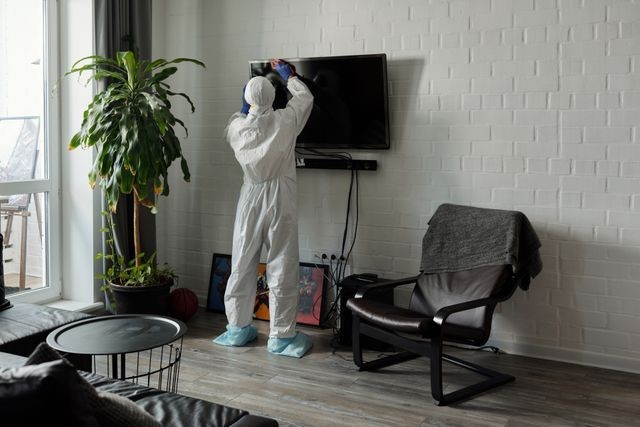
Image from Pexels
Mold is one of those household problems that tends to show up uninvited and overstay its welcome. It can develop surprisingly fast under the right conditions, and if left unaddressed, it causes real damage to your property while posing genuine health risks to the people living inside. Learning to identify it early and knowing the proper steps to deal with it can save a significant amount of time, money, and stress down the road.
What Mold Is and Why It Grows Indoors
Mold is a type of fungus that thrives wherever moisture, warmth, and organic material come together. It reproduces through microscopic spores that float through the air and settle onto surfaces, where they begin to grow the moment conditions are favorable. Common indoor triggers include plumbing leaks, poor ventilation, elevated humidity, and flooding events. Bathrooms, basements, kitchens, and the areas around windows are particularly vulnerable spots because moisture naturally accumulates there. Understanding what invites mold in is the first step toward keeping it out.
How to Identify Mold in Your Home
The most obvious sign of mold is visible discoloration on walls, ceilings, floors, or other surfaces throughout the home. Depending on the species, mold can appear in a surprising range of colors, including black, green, white, gray, orange, or even pink, and it typically has a fuzzy or powdery texture that spreads outward from a central point. A persistent musty or earthy odor is another telling clue, one that sometimes appears before any visible growth does. If someone in the household experiences unexplained allergy-like symptoms such as sneezing, coughing, or watery eyes that seem to clear up after leaving the house, mold could well be the culprit. After any water damage event, it is worth checking hidden areas like behind drywall, under carpeting, and inside wall cavities, since mold does not always grow where it can easily be seen.
Health Risks Associated with Mold Exposure
Mold exposure carries real health consequences, particularly for people who are already vulnerable. Those with asthma, allergies, or weakened immune systems may find their respiratory symptoms noticeably worsen when mold is present in the home. Even otherwise healthy individuals can develop irritation of the eyes, skin, nose, and throat after extended exposure. Certain mold species produce mycotoxins, chemical compounds that can be harmful when inhaled or contacted repeatedly over time. Children and elderly residents tend to be more sensitive to these effects than others, which makes prompt action all the more important. Addressing mold is not only about protecting the building itself; it is about protecting the people inside it.
Steps You Can Take to Remove Small Mold Growth
For small mold patches, generally defined as areas covering less than ten square feet, homeowners may be able to handle cleanup themselves with the right precautions in place. Before starting, put on protective gear including gloves, goggles, and an N-95 respirator mask to minimize spore exposure during the process. Scrubbing hard, non-porous surfaces with water and detergent is often effective, and some people also use a diluted bleach solution on materials like tile or sealed concrete. Drying the area completely afterward is critical, because any lingering moisture creates the exact conditions that invite mold back. Porous materials such as drywall, carpet, and insulation that have been heavily affected typically cannot be salvaged through cleaning alone and will need to be removed and replaced. Before throwing anything away, seal moldy debris in plastic bags to avoid scattering spores throughout the rest of the home.
When to Call a Professional Mold Remediation Service
Some mold situations genuinely call for professional intervention rather than a DIY approach. If mold covers a large area, has penetrated deep into building materials, or keeps coming back after repeated cleanup attempts, a professional assessment is the right move. Homeowners seeking quality mold removal services in Baldwin, NY can benefit from professionals who use tools like moisture meters, thermal imaging cameras, and air quality testing to locate all affected areas, including those that are not immediately visible. Mold hiding behind walls, beneath flooring, or inside HVAC systems is extremely difficult to reach without specialized equipment and training. Professionals also follow established industry protocols to contain mold during removal, which prevents spores from spreading to unaffected parts of the home. Attempting to tackle extensive mold growth without that training can inadvertently make things considerably worse.
Prevention Strategies to Keep Mold from Returning
Once mold has been cleared out, keeping it from coming back becomes the focus. Controlling indoor humidity is one of the most reliable strategies available; aim to keep relative humidity below 50 percent by using dehumidifiers and maintaining good ventilation throughout the home. Any plumbing leaks, roof damage, or foundation issues should be repaired promptly, since standing water and moisture intrusion are the primary conditions that allow mold to thrive. Bathrooms and kitchens should have exhaust fans that vent directly outside rather than into attic spaces, where moisture can accumulate unnoticed. Crawl spaces, basements, and the areas around appliances are worth inspecting regularly for any early signs of moisture buildup. Keeping gutters clean and ensuring that landscaping slopes away from the foundation can also go a long way toward preventing water from finding its way inside.
Conclusion
Mold is a problem that responds much better to attention than to avoidance. Catching it early, understanding the risks it carries, and knowing when to handle it yourself versus when to bring in a professional are all part of being a thoughtful homeowner. With steady prevention habits and a genuine commitment to moisture control, the chances of mold becoming a recurring issue in your home drop considerably.

What's your reaction?
You may also like
-

How to Make a Short Business Promo Video Without Losing the Message
-
How to Create Consistent AI Images for a Multi-Visual Content Project
-
How Two People Can Compare Cities Before Turning a Move into a Compromise
-
Why Choose House Cleaners Redding CA for Your Home
-
Planning Roof Replacement Cleanup When Driveway and Yard Access Are Limited or Restricted
-
Designing Outdoor Kitchens for Food Safety, Practical Storage, and Efficient Meal Preparation
















Comments
0 comment