




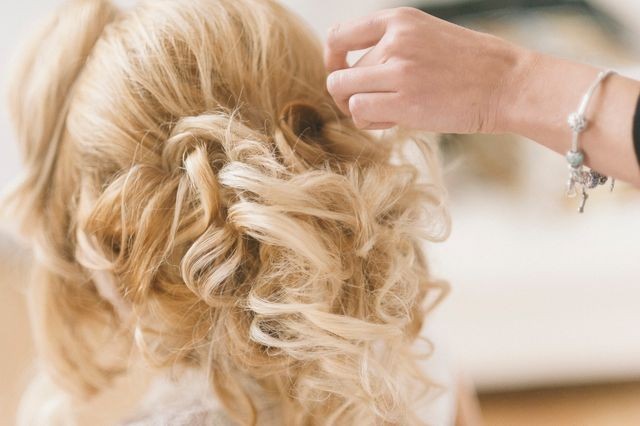
Image from Pexels
Hair extensions can completely transform a look, adding volume, length, and versatility that natural hair alone sometimes can't provide. They do, however, require a thoughtful care routine to stay looking their best. Without consistent maintenance, extensions can become tangled, dry, or damaged far sooner than they should. Whether someone is brand new to extensions or simply looking to sharpen their existing routine, this guide covers what actually matters.
Understanding Your Extension Type
Before jumping into specific care techniques, it helps to understand what type of extensions you're working with, since different styles come with different needs. Clip-in extensions, tape-ins, sew-in weaves, and fusion or bonded extensions each require slightly different handling. Tape-in extensions, for instance, are sensitive to oil-based products near the bonds, while clip-ins can be removed entirely before washing. Knowing the extension type makes it easier to choose the right products and tools for daily use. When there's any uncertainty, the stylist who installed the extensions is the best resource, as they can offer guidance tailored to the specific method and hair type involved.
Washing and Conditioning Best Practices
One of the most common mistakes people make with extensions is washing them too frequently. Natural hair produces oils that travel down the shaft, but extensions don't benefit from that process in the same way, which means over-washing can strip moisture and leave the hair brittle over time. Washing no more than two to three times per week is a good general guideline, and a sulfate-free shampoo is always the better choice. When conditioning, focus on the mid-lengths and ends rather than the roots or bonds, since product near the attachment points can weaken them. After washing, gently squeeze out excess water rather than rubbing the hair with a towel, as friction is one of the main culprits behind tangling and frizz.
Detangling and Brushing Techniques
Good brushing habits can make a real difference in how long extensions last. Detangling should always start from the ends and work upward toward the roots in small sections, rather than pulling through from top to bottom in one motion. A wide-tooth comb or a loop brush designed specifically for extensions helps reduce unnecessary tension on the bonds. Brushing at least twice a day prevents knots from setting in, and extra care is needed when the hair is wet, since extensions are more vulnerable to breakage at that point. This is especially worth keeping in mind for those wearing newly installed long hair extensions, as the added length creates more opportunity for tangles to form and travel up the hair shaft.
Protecting Extensions from Heat and Environmental Damage
Heat styling tools are safe to use on most human hair extensions, but moderation genuinely matters here. A heat protectant spray applied before using flat irons, curling wands, or blow dryers helps shield the hair cuticle from unnecessary damage. Keeping tools at a moderate temperature rather than cranking them to the highest setting preserves the natural luster of the extensions over time. Environmental factors deserve attention too. Sun exposure, chlorinated pool water, and ocean saltwater can all degrade extension quality faster than most people expect. Before swimming, coating extensions with a leave-in conditioner or wearing a swim cap offers meaningful protection, and rinsing thoroughly after any water exposure is a habit worth building early on.
Nighttime Care and Storage Habits
How extensions are treated during sleep has a bigger impact than many people realize. Loose, unsecured hair rubbing against a pillow overnight creates friction that leads to tangling and breakage. Securing hair in a loose braid or low ponytail before bed significantly cuts down on that movement and wear. Switching to a silk or satin pillowcase is another practical step, since these materials generate far less friction than cotton. For clip-in extensions, removing them before bed is the smartest option, as it lets the hair rest and extends the overall life of the pieces considerably. Storing removed extensions in a soft pouch or a dedicated case keeps them clean, protected, and ready for next use.
Maintaining Extension Health Between Salon Visits
Regular professional maintenance appointments are just as important as the at-home routine, not a replacement for it. Tape-in and bonded extensions typically need to be repositioned every six to eight weeks as natural hair grows out. These appointments also give a stylist the chance to spot any developing issues before they turn into bigger problems. In between visits, keeping the ends moisturized with a lightweight leave-in conditioner or hair oil makes a noticeable difference, since ends tend to dry out faster than the rest of the hair. Heavy oils or serums near the bonds should be avoided, as buildup in those areas can lead to slippage or scalp irritation over time.
Conclusion
Caring for hair extensions doesn't have to be complicated, but it does call for consistency and the right approach from the start. Understanding the extension type, washing mindfully, brushing with care, guarding against heat and environmental exposure, and building smart nighttime habits all contribute to extensions that stay beautiful for months. A small but steady investment of time and attention each day goes a long way toward protecting both the quality of the extensions and the health of the natural hair underneath.

What's your reaction?
You may also like
-

How to Make a Short Business Promo Video Without Losing the Message
-
How to Create Consistent AI Images for a Multi-Visual Content Project
-
How Two People Can Compare Cities Before Turning a Move into a Compromise
-
Why Choose House Cleaners Redding CA for Your Home
-
Planning Roof Replacement Cleanup When Driveway and Yard Access Are Limited or Restricted
-
Designing Outdoor Kitchens for Food Safety, Practical Storage, and Efficient Meal Preparation
















Comments
0 comment