




Introduction
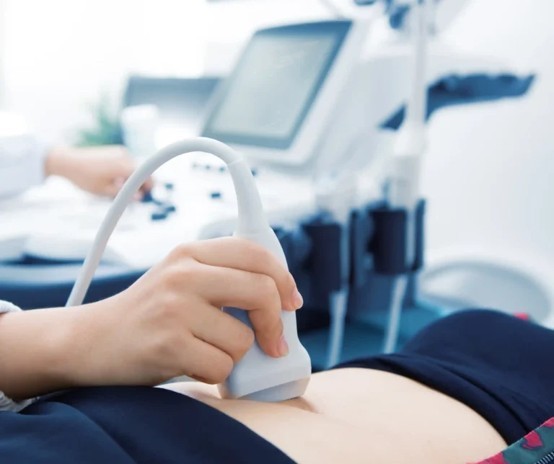
Medical emergencies have no set schedule because Medical emergencies can happen at any time.Medical treatment needs an accurate diagnosis to happen rapidly because it leads to appropriate care. Doctors use imaging tests to view the internal body structures which they need to understand. Medical professionals use ultrasound imaging as a primary diagnostic tool because it produces body images through sound wave technology instead of using radiation. Medical examinations employ these tools to inspect abdominal regions and cardiac structures and vascular systems and various body areas.Emergency medical facilities use ultrasound imaging as their primary diagnostic tool to identify patient injuries and determine sudden pain causes which helps them start emergency treatments at once. Medical staff can start the scanning process at patient beds because these scans do not cause any discomfort. Medical professionals use ultrasound scan types to show patients how doctors handle emergency situations through their medical diagnosis process.
1. Abdominal Ultrasound Scans
Doctors use abdominal ultrasound scans to view the liver and gallbladder and kidneys and pancreas and spleen during their medical assessment. Doctors usually suggest these tests when patients report sudden abdominal pain together with swelling and upper or lower belly discomfort.Doctors perform ultrasound examinations on people who have intense right abdominal pain to detect gallstones. The scanning process identifies two problems which include kidney diseases and fluid accumulation within the body. Doctors use test results to decide if patients need additional medical evaluations or they should receive immediate medical care.The medical procedure of abdominal ultrasound presents a safety benefit because it does not emit ionizing radiation during its operation. The medical situation of patients determines which additional imaging procedures doctors need to perform besides their initial examination of symptoms and physical signs.
2. Cardiac Ultrasound (Echocardiogram)
A cardiac ultrasound works using echocardiography to create real-time pictures of the heart with sound wave technology. The tool helps doctors see how blood flows through the heart and check if all the heart chambers and valves are working properly. Doctors use this test in emergency situations to look at patients who have chest pain along with trouble breathing and signs of heart failure. The test shows doctors how much fluid exists around the heart while it shows heart muscle performance and reveals specific heart structural abnormalities.Doctors conduct focused heart ultrasound at the patient's bedside when they receive patients who need immediate medical care. The tool provides useful data but doctors need to perform electrocardiograms and blood tests together with other diagnostic tests to identify heart problems when necessary.
3. Pelvic Ultrasound Scans
Pelvic ultrasound scans reveal the lower abdominal organs which consist of the bladder together with the uterus and ovaries. Doctors suggest these tests when patients show up with unexpected pelvic pain and strange bleeding and problems with their urine flow.Pelvic ultrasound in women allows doctors to detect ovarian cysts and pelvic fluid and other potential sources of discomfort. Doctors use ultrasound to check for uterine pregnancies when pregnancy becomes possible but they need to rule out the presence of an ectopic pregnancy.An ectopic pregnancy creates a dangerous situation when internal bleeding develops which threatens to become fatal. Medical professionals must act quickly when patients arrive with pelvic pain, fainting or heavy bleeding. The choice of ultrasound type depends on the patient’s condition and their individual healthcare needs.
4. Pregnancy Ultrasound Scans
Pregnancy ultrasound scans help doctors check on a pregnancy and look closely at the growing baby. In cases these scans may be used if a pregnant woman has stomach pain bleeding from the vagina or has had an accident.The scans can show where the pregnancy is located. They can also check if the baby has a heartbeat, when it is safe to do. They help doctors find problems that can happen during pregnancy.Later in pregnancy ultrasounds can show how the baby is positioned and how much amniotic fluid is around the baby.The results are looked at together with the patient’s symptoms. How far along the pregnancy is. If something serious is found doctors might suggest tests or quick treatment. When pain or bleeding is strong, acting fast is very important.
5. Vascular Ultrasound Scans
Vascular ultrasound allows medical professionals to observe blood flow patterns which occur within arteries and veins. The system operates with Doppler technology which enables medical staff to track blood flow velocity in blood vessels.Medical staff can use these scans to identify swelling and pain and tenderness which patients with one leg are affected by. Doctors use venous ultrasound to identify deep vein thrombosis (DVT) which represents a blood clot that forms within deep veins. Doctors need to find clots because they have the potential to move toward the lungs which creates a dangerous situation for patients.Medical professionals use vascular ultrasound to evaluate emergency cases which affect blood circulation throughout the body. A patient who experiences sudden chest pain along with breathing difficulties and possible blood clot signs in their lungs needs emergency testing because a leg ultrasound cannot confirm the presence of a pulmonary embolism.
6. Musculoskeletal Ultrasound Scans
Medical professionals use musculoskeletal ultrasound scans to visualize muscles and tendons and ligaments and soft tissue structures. Sports injuries together with falls and accidents that lead to pain and swelling can benefit from these treatment options.Ultrasound serves as a diagnostic tool which reveals tendon tears together with muscle injuries and joint fluid accumulations. Medical professionals can use this tool to identify soft tissue masses and detect particular infection types.Doctors can use these scans to watch tissues in real time because the technology shows tissue movements when the affected body section moves. Ultrasound does not detect all types of injuries with the level of clarity. Ultrasound is not enough so doctors still rely on X-rays to look for suspected fractures. However doctors must also use MRI scans or other imaging tests to diagnose joint and soft-tissue injuries.
7. FAST Ultrasound for Trauma Emergencies
The FAST examination functions as a bedside ultrasound tool which emergency trauma teams use to perform their assessment. The procedure enables doctors to identify free fluid which shows up as abdominal and cardiac pocket areas that indicate potential internal bleeding.The extended FAST examination which goes by the name eFAST includes chest area testing to detect lung collapse. Medical tests reach their highest usefulness when doctors need to diagnose patients who experienced major accidents or experienced falls or suffered other severe injuries.Medical professionals perform FAST and eFAST tests at high speed while they conduct their evaluation of an injured patient. A negative test result fails to prove that all internal injuries have been successfully ruled out. Doctors will order extra medical scans which include CT scans based on how stable the patient is and their present medical condition when they suspect major injuries still exist.
When Should You Seek Emergency Medical Care?
You should never ignore sudden intense abdominal pain together with chest pain and breathing difficulties and fainting episodes and heavy bleeding and severe injuries. The body shows these signs which require doctors to perform an emergency medical evaluation.You need to get emergency medical help when your symptoms become severe so you should call the emergency number for your area. You need to begin your medical care right away instead of waiting to figure out which scan will benefit you most. Medical staff members will assess your medical situation to select between ultrasound and other diagnostic testing methods.
Conclusion
Ultrasound scans are very important when it comes to figuring out what is wrong with a patient in an emergency. Different types of ultrasounds like abdominal cardiac, pelvic, pregnancy, vascular, musculoskeletal and FAST all show things about the body. They can help doctors look into pain, check for injuries and find out about some health issues.Even though ultrasound is a tool used for diagnosis it is not the choice for every medical problem. The best type of imaging test depends on the patient's symptoms. How they are feeling overall. Getting medical help quickly makes sure that patients get the tests and the right treatment, at the time they need it the most.

What's your reaction?
You may also like
-

What First-Time Founders Need to Know Before Starting a Dropshipping Store
-
10 Essential eCommerce Tools for Growing Online Businesses in 2027
-
Why Some Areas of Your Home Stay Dirty Even After Regular Cleaning
-
How to Remove Leftover Cleaning Product Film From Floors and Counters
-
5 Ways On-Truck Fall Prevention Can Improve Workplace Safety
-
8 Smart Reasons to Rent a Car Jordan for Your Next Trip
















Comments
0 comment