




Introduction
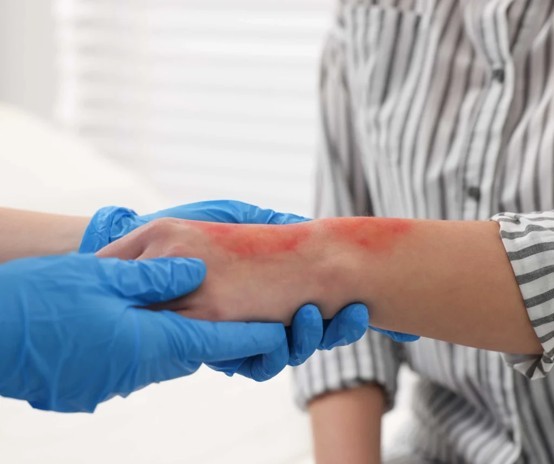
Burns are some of the most common injuries, which occur at work, at home, or in other regular environments. Most burns are caused by direct contact with hot liquids, steam, hot solid objects, chemicals, or fire. The level of pain from a burn is not always proportional to the burn's severity, and that's why it is very vital to identify the best burns treatments so as to avoid extreme health damage. The most minor burns are common and can be treated at home while the severe burns may require medical care.
1. Cool the Burned Area With Running Water
Cooling Burn first aid coolingOne of the best first aid treatment for burns is the cooling of the affected skin with cool running water. If a person has a minor burn, hold the affected skin under cool running water for about 20 minutes to cool down the skin and prevent and minimize further damage to the tissue. Cooling helps to reduce pain as well. Avoid using ice or ice-cold water as these can cause further damage to the affected area of skin. If running water is not available, then a clean, cool, wet cloth is the best temporary alternative. Cooling the burn should be started as soon as possible and early first aid can have a major impact.
2. Protect the Skin With a Clean Dressing
Treating the burn after it has cooled down Protecting the site of the burn is also important in burn treatment. The burned skin may be irritated or infected more easily if blisters or actual damaged skin is present. Cover the site loosely with some kind of sterile dressing or non-stick covering or cloth. For minor burns, covering the site with a sheet of clean plastic wrap for a short period of time is also an option, but it should never be tightly wrapped around the body. Do not apply cotton to the burn, the tiny fibers tend to cling to the damaged skin.
3. Use Appropriate Burn Care Products
Care for the burn. Minor burns can sometimes benefit from gentle skin-care products, but the right choice is very important. Having cooled the burn, a doctor may suggest the use of a light moisturizer or petroleum jelly to assist in the healing of the skin. A minor burn may also require the use of a suitable sterile dressing instead of the application of various creams. Do not use toothpaste, butter, cooking oil or home-made remedies because the substances might irritate the skin, and they may prevent the wound from healing properly. It is best to avoid using strong products without seeking medical advice.
4. Avoid Breaking Blisters During Recovery
Blistering A blister forms after some burns where the skin has reacted to the injury. While they might look painful, blisters form a natural barrier over the damaged tissue underneath and encourage healing. If you pop or squeeze a blister, this can lead to infection and delay healing; you should leave blisters undisturbed and protect them with a dressing. If a blister is very painful, large or damaged, then it should be examined by a GP rather than tried to be 'drained' at home. To aid healing, avoid unnecessary friction and keep the area clean.
5. Manage Pain and Monitor the Healing Process
Pain or tenderness may occur after a burn, especially during the first couple of days. Mild painful burns may benefit from over-the-counter painkillers, such as paracetamol or ibuprofen, in accordance with the manufacturer's instructions and medical advice. Keeping the injured area covered can also prevent unnecessary irritation or abrasion from everyday situations. Any painful condition is not as it should be when it continues to worsen rather than get better. A person should be alert to potential signs of infection, such as increased redness, swelling, pain, fever, tenderness, and pus.
Know When Professional Burn Treatment Is Necessary
Not all burns are safe to treat at home. All second- and third-degree burns over three inches of skin and burns to the face, hands, feet, genitals, or joints require medical attention. Because of the area covered by the skin burn, a chemical and electrical burn require a doctor's visit. Call 911 or Emergency Services if: Breathing becomes difficult or abnormal, The skin turns white, leathery or black, The skin is hard to move or you notice other symptoms, The burn is a chemical, electrical, or smoke inhalation burn.
Conclusion
How to treat a burn appropriately for pain relief and optimal skin healing Treatment of burns treatment can help with pain relief and give the skin the best chance of healing. All of these include cooling the burn with clean running water, keeping the skin covered and clean, and never trying to treat serious burns at home or burst blisters. Every burn is different and needs to be treated differently depending on whether they are first, second or third degree burns and how much of the body the burn covers.

What's your reaction?
You may also like
-

5 Proven American Dream Car Warranty Tips for Car Owners
-
Cloud Penetration Testing Companies: Seven Firms for AWS, Azure and GCP
-
You Inherited a Watch: What to Do Before You Sell It
-
Essentials Plumbing Maintenance That Requires a Professional
-
What to Look for in a Quality Prom Dress
-
5 Ultimate American Dream Auto Protect Advantages Explained













Comments
0 comment