




Solar energy does not disappear when the sun sets, but using it effectively at night requires the right setup and expectations. Many households generate more electricity during the day than they actually use, while evenings often bring higher demand for lighting, cooking, and climate control. Bridging this gap is one of the most practical challenges of living with solar power. With thoughtful planning, solar energy can remain a reliable part of everyday life long after daylight hours end. In this article, practical and realistic ways to use solar power at night are explained step by step, focusing on solutions that fit naturally into ordinary household routines.
1. Store Energy in Batteries
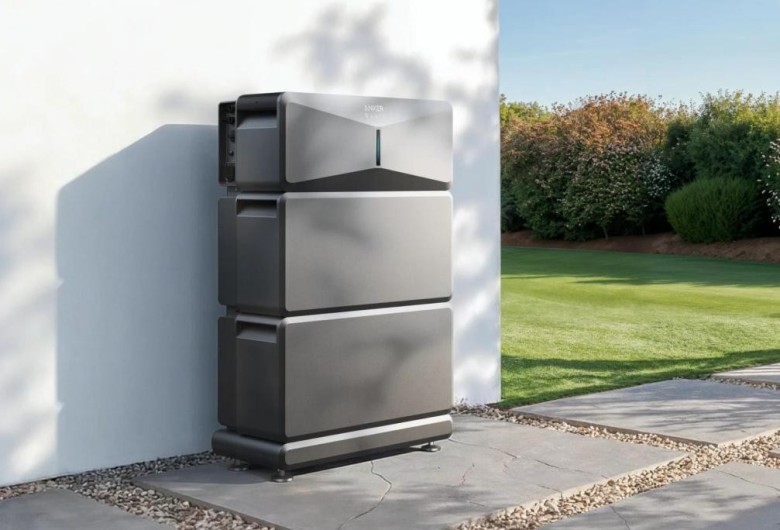
Storing daytime solar energy in batteries is the most direct way to use solar power after dark. During sunny hours, excess electricity that would otherwise go unused can be captured and saved for the evening. This stored energy then supports normal nighttime activities such as lighting, entertainment, and refrigeration without relying entirely on the grid. A well-sized solar battery allows households to maintain familiar routines instead of carefully rationing electricity. Some whole-home systems, including Anker SOLIX E10, are designed to support full household circuits with fast switching and scalable storage, making it easier to power large appliances at night while maximizing the value of daytime solar generation for daily comfort.
2. Connect to the Grid
Send extra solar power to the grid by day
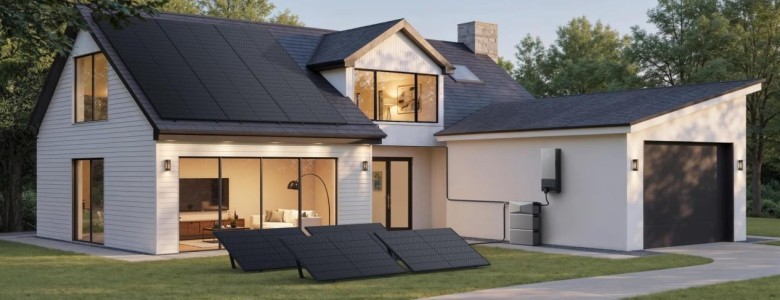
Connecting a solar system to the grid provides flexibility when storage capacity is limited. During the day, excess solar power can be sent back to the grid instead of being wasted. This approach helps balance supply and demand while supporting broader energy networks. For households, it ensures that daytime production still has value even when batteries are full. Grid interaction allows solar power to remain useful beyond the home itself, especially in neighborhoods with high daytime solar output.
Use grid power at night
At night, homes can draw electricity from the grid when solar panels are inactive. This method ensures uninterrupted power without requiring oversized battery systems. While it may not eliminate grid reliance entirely, it reduces overall consumption during peak daytime hours. Many households find this balance practical and cost-effective. Using the grid strategically complements solar power rather than replacing it completely, which keeps systems affordable and easier to manage.
3. Use a Backup Generator
Add a generator for extra nighttime power
Backup generators provide an additional layer of security when batteries alone are not enough. During extended cloudy periods or unusually high nighttime demand, a generator can supply supplemental electricity. This option is particularly helpful for homes that experience frequent or long outages. Generators are typically used sparingly, reducing fuel consumption and noise. When used responsibly, they add resilience without becoming a daily dependency for household energy needs.
Combine with batteries for longer coverage
Combining a generator with battery storage creates a more balanced system. Batteries handle routine nighttime needs quietly, while the generator steps in only when storage runs low. This approach reduces wear on both components and improves efficiency. It also ensures that critical appliances remain powered during prolonged disruptions. The combination supports a smoother, less stressful energy experience that feels reliable rather than reactive.
4. Manage Your Energy Use
Run high-power appliances during daylight
Timing energy use is one of the simplest ways to extend solar power into the night. Running dishwashers, washing machines, or pool pumps during daylight hours uses solar energy directly. This reduces the load placed on batteries later in the evening. Over time, this habit becomes part of a natural routine. Small scheduling changes can significantly improve overall efficiency without affecting comfort or convenience.
Use efficient lights and devices at night
Energy-efficient lighting and appliances make nighttime solar use more practical. LED lights, modern televisions, and efficient refrigeration consume less power while providing the same comfort. Lower demand allows stored energy to last longer through the night. These upgrades often require minimal effort but deliver consistent benefits. Efficiency supports both comfort and energy independence by reducing unnecessary nighttime consumption.
5. Explore Future Options
Consider solar thermal storage
Solar thermal storage offers another way to extend solar benefits beyond daylight. Instead of storing electricity, thermal systems store heat generated during the day. This heat can then be used for water heating or space heating at night. While not suitable for every household, it reduces electrical demand after sunset. Thermal storage complements electrical systems by addressing energy needs that do not require electricity directly.
Join a community solar program
Community solar programs allow households to benefit from shared solar resources. These programs provide access to solar energy even when individual storage is limited. Participation can offset nighttime electricity use with shared daytime production. For renters or smaller homes, this option expands access to solar benefits. Community approaches make solar power more inclusive and adaptable to different living situations.
Conclusion
Using solar power after the sun goes down is less about a single solution and more about combining smart strategies. Battery storage, grid connections, backup options, and thoughtful energy habits all play a role. Together, these approaches allow solar power to support daily life well into the night. As technology improves, nighttime solar use becomes easier and more reliable. With the right planning, solar energy remains a practical and dependable resource around the clock for everyday households.

What's your reaction?
You may also like
-

Why Small Roofing Problems Can Become Harder to Diagnose When Homeowners Delay Repairs
-
Planning a Stair Lift for Shared Homes Without Disrupting Everyday Staircase Use
-
Managing Household Waste During Large Decluttering Projects Without Creating New Clutter
-
How to Plan Impact Door Installation Around Security, Access, and Everyday Household Routines
-
How Commercial Roofing Maintenance Planning Helps Property Managers Track Roof Conditions
-
Designing Privacy Around Street-Facing Windows Without Giving Up Useful Natural Daylight
















Comments
0 comment