




Generator performance often appears inconsistent from one neighborhood to the next. Two identical homes may install the same model, yet one experiences flawless operation while the other faces limited coverage or uneven output. Homeowners usually blame the device itself, but performance varies because local conditions, load patterns, and electrical infrastructure shape how backup power behaves. Understanding these differences helps families choose systems that maintain stability regardless of where they live. Modern whole-home solutions, such as the Anker SOLIX E10 (Power Module + 2× Battery) paired with the Power Dock, respond more predictably across environments because they rely on rapid switchover, strong surge capabilities, and direct whole-panel coverage. These features reduce neighborhood-to-neighborhood gaps and bring consistency to backup power.
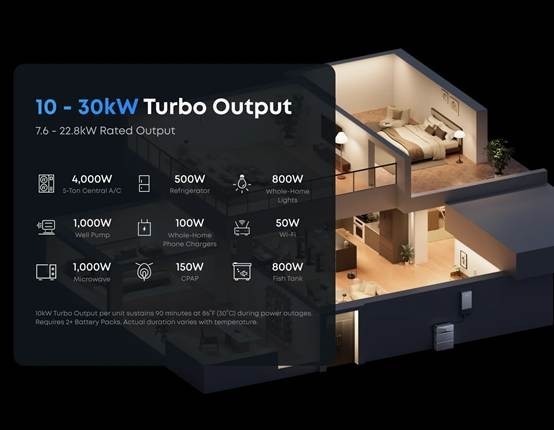
Why Neighborhood Conditions Shape Generator Performance
Local Electrical Infrastructure Can Influence Power Response
Neighborhoods differ in how their local utilities manage distribution. Older communities may rely on aging transformers, narrower capacity margins, or more frequent voltage drops. Newer developments sometimes include modern hardware but may still experience inconsistent delivery during peak demand. These factors influence how a backup system engages and transitions when outages occur. Homes in areas with unstable voltage see more frequent fluctuations that trigger backup activation or cause appliances to draw irregular loads. A fast-response system such as the E10 helps stabilize this environment by engaging within ≤20ms and shielding the home from power-return surges. Because the system covers the entire panel through the 200A Power Dock, the home avoids patchy behavior that occurs when multiple circuits react differently to grid disturbances. Local infrastructure may differ, but a unified whole-home system reduces performance variation.
Neighborhood Energy Behaviors Affect Surge Demand
Different communities display distinct consumption patterns. A neighborhood filled with large homes and heavy HVAC usage places simultaneous strain on the grid during heat waves or cold snaps. Another area with smaller homes or more energy-conscious habits experiences a gentler demand curve. Surge conditions affect whether a home generator supports HVAC startup smoothly or struggles under load. Backup systems must meet these peak requirements, not just average output. The E10’s surge capacity—capable of starting high-demand central air systems—helps equalize performance between neighborhoods with different load profiles. It handles sudden spikes from appliances and HVAC units that frequently power up during grid instability. This consistency matters because families in high-demand communities often see weaker performance from traditional devices. A system that manages surge power effectively delivers more predictable results, regardless of local consumption habits.
Environmental Conditions Shape Operational Efficiency
Neighborhoods vary in climate exposure, from coastal humidity to inland heat to snowy high altitudes. Environmental conditions affect generator operation through moisture, temperature fluctuations, and outdoor placement limitations. In humid or flood-prone areas, elevated installation is essential. In dry or hot climates, thermal protection matters more. The E10’s design supports both wall and floor mounting, allowing homeowners to configure the system safely for their specific environment. Weather-resistant construction ensures stable operation during blizzards, heatwaves, or storms. This adaptability reduces performance differences between regions that face diverse climate stressors. By maintaining steady operation across harsh conditions, the system supports consistent backup behavior even in neighborhoods with challenging weather patterns.
Why Household Patterns Create Additional Differences
Unique Appliance Mixes Cause Uneven Demand
Even within the same neighborhood, households vary widely in appliance types and energy usage. One family may operate dual air conditioners, multiple refrigerators, and high-demand tools. Another may run minimal appliances. Backup systems behave differently depending on these patterns because load demands shape how quickly stored power is used and how often surge capability activates. Whole-home systems such as the E10 accommodate these variations through scalable battery options and strong rated output. Households can expand capacity by adding battery units or stacking multiple E10 systems through the Power Dock. This ensures reliable operation for homes with heavy or unpredictable load schedules. The system manages both continuous and peak usage, making performance more consistent between households that otherwise demand very different levels of power.
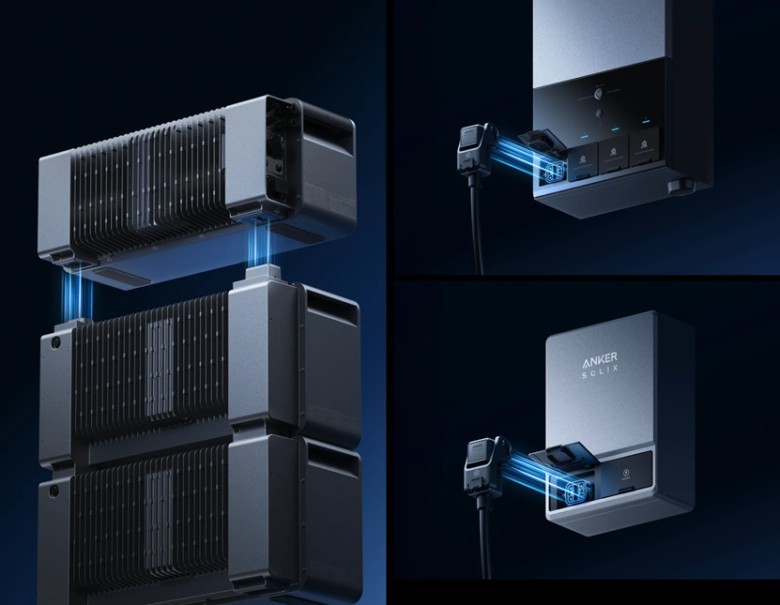
Home Layout And Circuit Distribution Influence Perceived Performance
Generator performance sometimes “feels” different from one home to another because of internal wiring and circuit distribution. Older homes may route large appliances onto shared circuits, creating startup competition during outages. Newer floor plans distribute loads more efficiently. This internal infrastructure affects how evenly power flows across rooms and appliances. Because the E10 integrates directly with the whole-home panel through its 200A Power Dock, it supports every circuit uniformly rather than prioritizing specific branches. Families do not need to choose which rooms stay powered, unlike systems limited to 100A transfer switches. This equal distribution reduces uneven performance that commonly occurs across neighborhoods with mixed-age housing. Homes receive consistent reliability regardless of how their internal wiring evolved over time.
Household Routines Shape Backup Duration And Stability
Some neighborhoods exhibit predictable lifestyle patterns: synchronized dinner hours, heavy evening usage, or morning spikes from simultaneous appliance operation. These collective patterns influence grid behavior and affect how often backup systems engage or manage sudden load demands. At the household level, routines determine how backup power drains and recovers across outage cycles. Solar integration through the E10’s dual MPPT inputs helps stabilize this variation by replenishing energy during the day and supporting longer-duration outages across changing usage patterns. When combined with smart generator synergy, the system maintains steady efficiency similar to highway driving, producing more usable energy from the same fuel. Families gain reliable backup performance that adapts to their routine rather than collapsing under high-activity periods. In neighborhoods with diverse daily rhythms, adaptable backup solutions reduce performance gaps.
Conclusion
Generator performance varies widely from one neighborhood to another because of infrastructure differences, local consumption patterns, environmental conditions, and household behaviors. Understanding these influences helps homeowners make smarter choices about their backup systems and avoid frustration when performance doesn’t match expectations. Whole-home solutions such as the Anker SOLIX E10 with its 2× Battery and the 200A Power Dock help minimize these variations by supporting strong surge power, rapid switchover, uniform circuit coverage, and long-duration resilience.

What's your reaction?
You may also like
-

Why Small Roofing Problems Can Become Harder to Diagnose When Homeowners Delay Repairs
-
Planning a Stair Lift for Shared Homes Without Disrupting Everyday Staircase Use
-
Managing Household Waste During Large Decluttering Projects Without Creating New Clutter
-
How to Plan Impact Door Installation Around Security, Access, and Everyday Household Routines
-
How Commercial Roofing Maintenance Planning Helps Property Managers Track Roof Conditions
-
Designing Privacy Around Street-Facing Windows Without Giving Up Useful Natural Daylight
















Comments
0 comment