




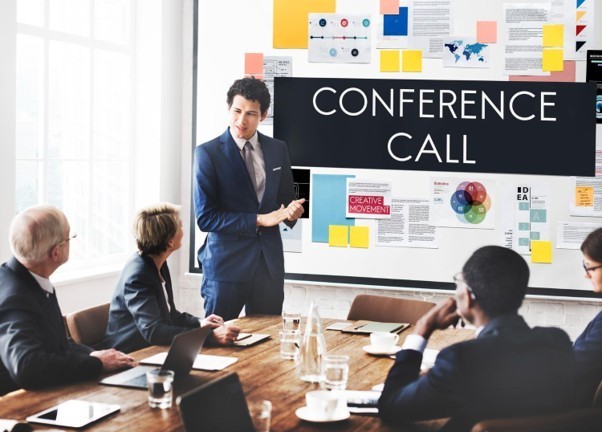
In order to organize a successful business conference, one needs to have a comprehensive plan, great coordination, and take care of various details. Depending on the aim of the conference, whether it serves networking purposes, is educational, or is aimed at promoting new products, each detail will contribute to the total conference experience of the attendees. By having a proper plan, businesses will be able to organize the event efficiently and without any unnecessary stress.
Define Clear Objectives and Build a Detailed Event Plan
No effective corporate event starts without well-defined objectives. Before choosing the location and approaching speakers, it is important to find out what your conference will aim at. Your objective may be networking within the industry, finding new customers, informing your clients, or presenting new technologies and services. Clearly stated objectives will provide the guideline for all decisions you will make throughout the planning process.
Having set the objectives, develop a timeline for all stages of planning that would include all deadlines for reserving the location, hiring speakers, opening registration, finding sponsors, organizing catering, and promoting the convention. Each member of your team should know what his or her responsibility is.
Select the Right Venue and Prioritize the Guest Experience
Venue selection plays a very big role when it comes to ensuring the success of any business seminar. Think about the number of attendees, availability of meeting rooms, accessibility, parking options, and proximity of places where attendees can sleep. The venue should offer enough space for presenting, networking activities, workshops, and exhibiting without being overwhelming at the same time.
In addition, one needs to consider what happens before, during, and after the conference. Signs, a smooth check-in process, comfortable seating, Wi-Fi connection, and proper breaks will be an important part of the experience. Offering snacks and quiet spots, as well as creating conditions for quality networking activities, is going to make people more involved and interested in attending future conventions.
Invest in Expert Photography to Preserve Valuable Moments
Professional event photography captures the energy, professionalism, and memorable interactions that define a successful conference. High-quality images become valuable assets for future marketing campaigns, company websites, annual reports, and social media platforms. Rather than relying on casual snapshots, many organizations choose to hire a professional event photographer who understands how to document keynote speeches, networking conversations, branded displays, and candid moments without disrupting the event.
Anticipating a photo shoot beforehand will make sure that there is coverage for all critical events. Create a list of shots to cover such events as speakers, sponsorship, awards, interaction with the audience, group shots, and special places at the seminar location. Schedule all of this with the photographer before the event. This will ensure that all important moments are covered and immortalized.
Develop an Effective Communication and Promotion Strategy
Effective communication is crucial for planning, conducting, and even following up on a business conference. Promote the convention by communicating early through email marketing campaigns, social media platforms, company newsletters, and industry partnerships, among others. The consistent message should be about key speakers, training workshops, networking opportunities, and registration deadlines.
Communicate to the attendees during the conference using an app or digital screens to communicate any changes made to the schedule to avoid unnecessary disruptions. After the seminar, thank-you notes, presentation material, questionnaires, and other resources should be communicated through email and other communication channels. This will help in gaining feedback from attendees, which can be used in subsequent events.
Prepare for Unexpected Challenges with a Comprehensive Backup Plan
No matter how well planned a conference might be, it still runs into problems. There could be technical problems, cancelled speakers, travel problems, and even weather interference. By planning for such events and creating contingency plans, the organizers will be able to react fast but professionally. Equipment, other speakers, handouts, and emergency contact numbers can minimize any possible disruption.
Another aspect of risk management that must be included in the process is health and safety, communications, and coordination with the staff at the venue. By doing a final walkthrough of the whole venue before the start of the seminar, you can make sure that everything will be ready for the visitors and speakers.
Plan Catering and Networking Opportunities Carefully
Food and networking may seem like secondary details, but they can have a significant effect on how attendees experience a conference. Catering should take the event schedule, number of guests, dietary requirements, and length of the program into consideration. It is useful to have refreshments available during breaks so attendees can recharge without having to leave the venue. If a full meal is part of the event, the serving process should also be organized so that it does not create unnecessary delays between sessions.
Networking opportunities deserve the same level of planning as presentations and workshops. Simply providing an open space and expecting people to start conversations may not be enough, particularly when many attendees are meeting for the first time. Structured networking sessions, smaller discussion groups, introductions, and designated networking areas can make it easier for participants to connect. When networking is aligned with the main purpose of the conference, attendees are more likely to leave with useful contacts and a stronger impression of the event.
Measure the Results and Learn from Attendee Feedback
The work does not end when the last presentation is finished. After the conference, organizers should take time to evaluate whether the event achieved the objectives established during the planning stage. Registration numbers, attendance rates, participant feedback, engagement during sessions, sponsor satisfaction, and other relevant measures can help determine what worked well and what should be improved.
Sending a short survey soon after the event can provide useful information while the experience is still fresh in attendees' minds. Ask practical questions about the venue, speakers, schedule, networking opportunities, catering, and overall organization. It is also worth collecting feedback from employees, suppliers, sponsors, and speakers, as they may notice issues that attendees do not. Keeping these findings in one place will make planning the next conference easier and allow the team to build on what worked instead of starting from scratch.
Business conference organization is an activity that requires careful planning, coordination, and focus on the details at all stages. Having a checklist will help companies conduct their conventions efficiently, improving business relations and reputation.

What's your reaction?
You may also like
-

How to Make a Short Business Promo Video Without Losing the Message
-
How to Create Consistent AI Images for a Multi-Visual Content Project
-
How Two People Can Compare Cities Before Turning a Move into a Compromise
-
Why Choose House Cleaners Redding CA for Your Home
-
Planning Roof Replacement Cleanup When Driveway and Yard Access Are Limited or Restricted
-
Designing Outdoor Kitchens for Food Safety, Practical Storage, and Efficient Meal Preparation
















Comments
0 comment