





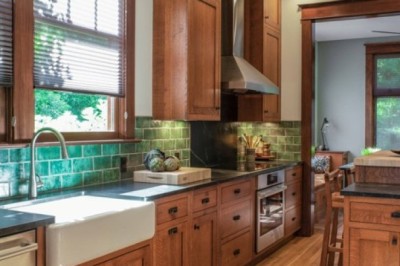
Image from Pexels
Choosing an assisted living community is a meaningful decision that often comes with questions about care, comfort, safety, independence, and long-term peace of mind. Whether the search is for yourself, a parent, or another loved one, the right community should feel supportive without feeling restrictive. It should offer reliable help with daily needs while still respecting personal routines, preferences, and dignity. Because every person’s situation is different, finding the best fit requires more than comparing brochures or looking at photos online. It requires thoughtful research, in-person visits, careful questions, and attention to how a community feels in real life.
Start With the Level of Care Needed
The first step is understanding what kind of support is needed now and what may be needed later. Senior living with supportive services is generally intended for older adults who want independence and may benefit from help with daily routines such as bathing, dressing, grooming, medication reminders, meals, mobility, or housekeeping. A good community should complete a thorough assessment before move-in and use that information to create a personal care plan that reflects the resident’s goals and choices. Ask how often those plans are reviewed and whether services can be adjusted if health needs change. This is especially important for residents who may eventually need added support, memory care, therapy coordination, or help managing chronic conditions. A community that clearly explains its care process is often better prepared to provide steady support while respecting each resident’s dignity and autonomy.
Pay Attention to Safety, Cleanliness, and Accessibility
Safety should be visible in both the physical setting and the community’s daily practices. During a visit, look for clear walkways, good lighting, monitored entrances, handrails, emergency call systems, accessible bathrooms, and well-maintained common areas. Cleanliness matters because it can reflect attention to resident comfort and daily standards. Ask about fall prevention, emergency response procedures, fire drills, infection control, medication management, and overnight team coverage. Families searching for Assisted Living in Atlanta or any other location should also consider how close the community is to physicians, hospitals, pharmacies, relatives, and familiar neighborhoods. Convenience can make appointments, visits, and transitions easier, but it should be considered with the quality of care, the resident’s choices, and the day-to-day experience.
Observe the Staff and Resident Interactions
The people providing care often shape the entire senior living experience. While credentials, training, and staffing levels are important, it is also helpful to observe how team members speak with residents. Notice whether interactions are respectful, patient, and personal. Ask about team member training, turnover, background checks, supervision, and how care associates are assigned. Consistency can help residents build trust and feel more comfortable asking for help. It is also worth asking how the community handles concerns, family communication, and changes in a resident’s condition. A professional community should be able to describe its process for responding to issues in a clear and direct way. Residents should be treated as adults with preferences, histories, and the right to make choices and participate in decisions about their own care.
Review Daily Life, Dining, and Social Opportunities
Senior living with supportive services includes both care and opportunities for a meaningful daily life. Review the program calendar and ask whether residents can choose from a range of life enrichment options that match different interests, energy levels, and abilities. Some people may enjoy group outings, fitness classes, music, games, gardening, book clubs, or volunteer opportunities, while others may prefer quieter programs or informal conversation. Dining is another important part of daily life. Ask to see menus, learn how dietary needs are handled, and, if possible, try a meal. Food should be nutritious, appealing, and adaptable to health needs or personal preferences. Also consider apartment layouts, privacy, outdoor spaces, transportation, visiting policies, spiritual services, and opportunities for family involvement. The goal is to find a community where support is available and each resident can make choices about how to spend the day.
Understand Costs, Contracts, and Resident Rights
Before making a final decision, review the financial details carefully. Costs may include monthly rent, care fees, meals, medication services, transportation, laundry, community fees, or charges for higher levels of assistance. Ask what is included, what costs extra, and how fees may change if care needs increase. Request a written explanation of pricing and take time to review the contract before signing. Families should also ask about move-out policies, refund rules, concern resolution, and how the community protects resident privacy and choice. Residents should be able to voice concerns, receive visitors, participate in care decisions, and be treated with dignity. A transparent community will encourage questions and provide clear answers about financial obligations, resident rights, and the choices available to each resident.
Conclusion
Finding the right senior living community takes time, patience, and honest conversation. The best choice is not always the newest building or the one with the longest list of amenities. It is the community that can meet care needs, respect personal choice, communicate clearly, and help the resident feel safe, respected, and comfortable. By comparing care plans, observing team members, reviewing safety practices, considering daily routines, and understanding the financial agreement, families can make a more confident decision. A thoughtful search can lead to a community where a person receives dependable support while continuing to live with autonomy, dignity, choice, stability, and connection.

What's your reaction?
You may also like
-

How to Make a Short Business Promo Video Without Losing the Message
-
How to Create Consistent AI Images for a Multi-Visual Content Project
-
How Two People Can Compare Cities Before Turning a Move into a Compromise
-
Why Choose House Cleaners Redding CA for Your Home
-
Planning Roof Replacement Cleanup When Driveway and Yard Access Are Limited or Restricted
-
Designing Outdoor Kitchens for Food Safety, Practical Storage, and Efficient Meal Preparation















Comments
0 comment