




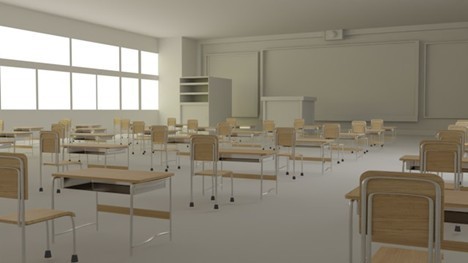
Photo by Emmanuel Edward on Unsplash
Introduction
Classrooms today look very different from chalkboards and textbooks. Schools now use cutting-edge tech tools that change how kids learn and teachers teach. Digital classrooms do more than just swap paper for screens; they mark a move to learning that's hands-on tailored, and based on data. This shift affects student results in big ways offering fresh approaches to get students involved, make teaching smoother, and encourage teamwork.
Let's look at three main reasons digital classrooms help students learn better showing how tech gives both teachers and students the power to achieve more meaningful results.
Enhanced Engagement Through Interactive Tools
Digital classrooms have a big plus: they get students more involved. Regular lectures often bore kids, but digital platforms spice things up with fun stuff. Think videos, games, and pop quizzes that make kids want to join in instead of just sitting there.
Getting kids involved matters a lot. When students take part in their learning, they remember more and learn to think better. Digital tools let teachers mix things up for different types of learners. They can use videos fake scenarios, and hands-on tasks that work for all kinds of students. This mix keeps kids interested and stops them from zoning out, which helps them do better in school.
Streamlined Organization and Efficiency
Digital classrooms boost learning results by making organization easier and cutting down on paperwork. Teachers often put a lot of time into managing homework checking who's in class, and planning activities. Classroom management software can do these jobs and in one place giving teachers more time to teach and help students.
For students online platforms give a clear path for their studies. They can find homework, study materials, and teacher comments all in one spot, which helps them stay focused and avoid mix-ups. This simple setup makes students more responsible and lets them see how they're doing. By making day-to-day tasks simpler digital classrooms create a space where both teachers and students can put more effort into real learning.
Personalized Learning Opportunities
Another big plus of online classrooms is how they can tailor education to each student. Kids learn at different speeds and have their own strengths and weak spots. Regular classrooms often find it hard to handle these differences, but digital tools make it easier to give each student what they need.
Take adaptive learning systems, for instance. These look at how a student is doing and change the content to match. A kid who's great at math might get harder problems, while someone who's struggling gets extra practice and help. Teachers can use the data to see where students need a hand and give them the right resources. This custom approach makes sure each student gets the right amount of challenge and support, which helps them do better in school.
Working Together and Talking Better
Working together is key in today's schools, and online classrooms make it simple for students to team up. Web-based tools give students shared spaces to edit documents together, talk in groups, and help with projects as they happen. These resources remove obstacles, so teamwork can go beyond just the school building.
Teachers also get better ways to communicate. Online systems let them give quick feedback, share news, and talk to parents, so everyone involved in learning stays in the loop. By building stronger links between students, teachers, and families online classrooms create a helpful environment that boosts learning and social growth.
Information-Based Insights to Keep Getting Better
In the end, online learning spaces give teachers useful information to make their methods better and help students do well. Tools that measure things keep track of how students do how much they join in, and how they're moving forward. These tools show more than just grades. Teachers can see patterns, like which subjects always give students trouble, and change how they teach because of this.
Using data this way means teaching is based on proof and can change when needed. It also helps students by letting them see how they're doing. This helps them set goals and take charge of their own learning. Both teachers and students can keep getting better when they have information they can use. This makes online learning spaces good at helping students do well in school.
Conclusion
Digital classrooms are changing education. They boost student involvement, make organizing easier, tailor learning, encourage teamwork, and offer data-based insights. These new ideas don't just make teaching more productive - they also create deeper more valuable learning experiences for students. When schools use digital tools, they help prepare students for future challenges giving them the skills and knowledge they need to succeed.
The move to digital classrooms is more than just new technology - it's a complete change in how we teach and learn. When we use these tools , they can improve what students learn and open up new possibilities in modern education.

What's your reaction?
You may also like
-

Why Small Roofing Problems Can Become Harder to Diagnose When Homeowners Delay Repairs
-
Planning a Stair Lift for Shared Homes Without Disrupting Everyday Staircase Use
-
Managing Household Waste During Large Decluttering Projects Without Creating New Clutter
-
How to Plan Impact Door Installation Around Security, Access, and Everyday Household Routines
-
How Commercial Roofing Maintenance Planning Helps Property Managers Track Roof Conditions
-
Designing Privacy Around Street-Facing Windows Without Giving Up Useful Natural Daylight












Comments
0 comment